





Younger generations of entrepreneurs and professionals approach leadership, decision-making, and organisational development through a completely different lens. Speed, adaptability, and the need for meaningful impact are shaping a new reality that many businesses are still struggling to grasp.
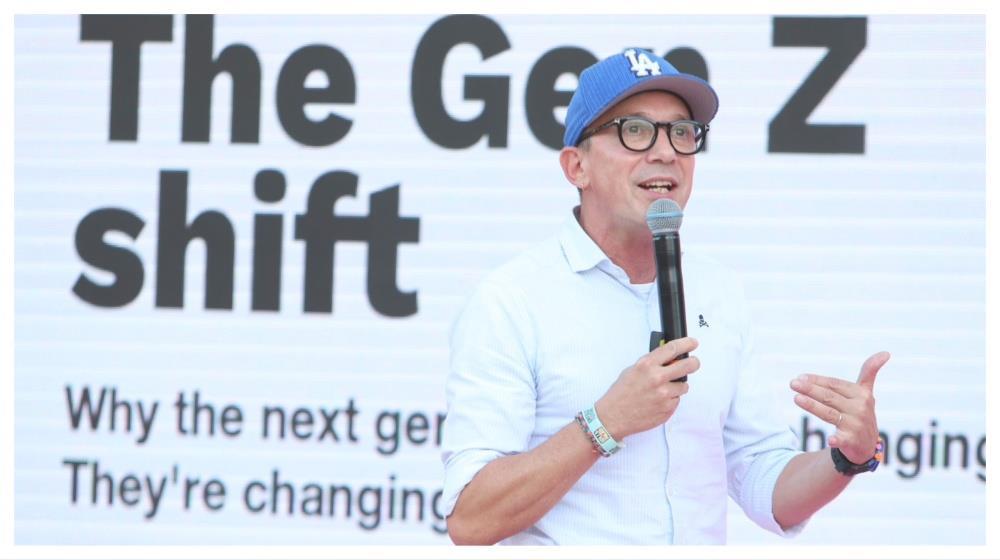
Speaking at the UNFOLD FESTIVAL: The Next Wave of Gen Z & Millennial Entrepreneurs on 24 June, Benoit Vancauwenberghe, Founder & Gen Z Keynote Speaker, 20something, Brussels, used the example of the transition from Nokia to iPhone to explain how organisations risk losing touch with the new generation if they continue to operate with outdated perceptions.
As he said, many companies today are reminiscent of Nokia in its heyday. They have strong results, confidence and a strong market position, believing that their existing operating model will continue to work. At the same time, however, a new generation of people operates with different rules, expectations and ways of thinking."The problem is not just changing our companies. We need to change our operating system," he argued.
At the same time, Vancauwenberghe explained that today's youth were shaped within a completely different social and technological context. The transition from a childhood based on play to an everyday life revolving around the mobile phone, exposure to successive global crises and the constant presence of digital media have influenced the way they communicate, collaborate and perceive the world.
Benoit Vancauwenberghe also stressed that older generations often misinterpret the behavior of younger workers, mistakenly believing that they lack disposition or dedication.
"If you think young people are lazy or indifferent, you're probably wrong," he noted.
In closing, the expert emphasised that the main problem is often found in the leadership style and structures of organizations, which are unable to keep up with the speed and ambitions of the new generation.
As he mentioned, many young people leave organisations not because they don't want to work or develop, but because they feel that the system around them is moving much slower than their capabilities and expectations.
"They don't leave because they have a problem with the job. They leave because organizations aren't moving fast enough," he concluded.
The protagonists of business are changing. The power of important decisions is now being assumed by the new generation of entrepreneurs, Gen Z & Millennials. IMH presents the Gen Z & Millennial Project: The New Generation of Business Leaders of Cyprus, with the aim of identifying, understanding and highlighting the new movers and shakers of the market.
- The Millennial and Gen Z Project is implemented with the support of European University Cyprus, Bank of Cyprus, PwC and Cablenet, with Toyota as Mobility Partner, the support of the European Commission Representation in Cyprus, and IMR as Supporter.