






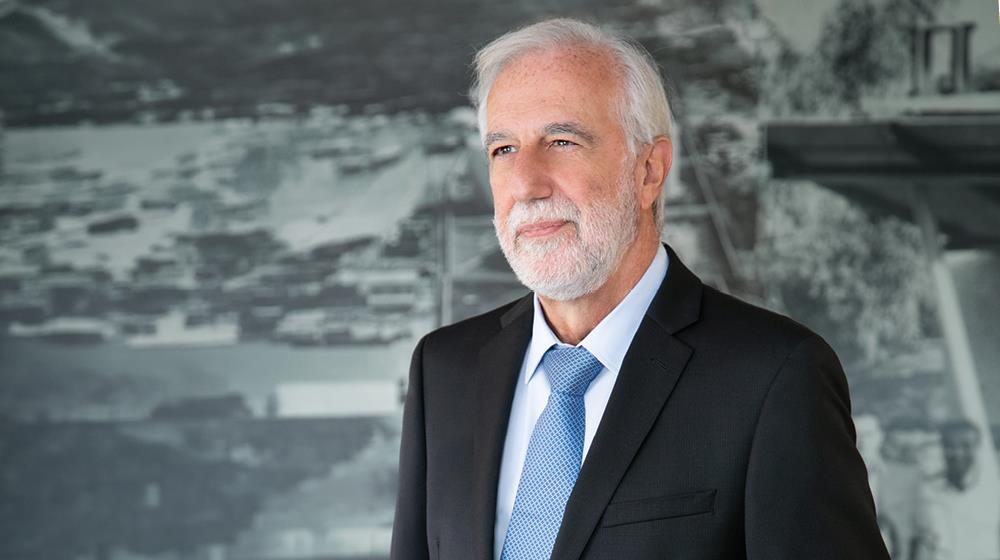
“Larnaka 2030 is built around the concept of ‘common ground,’ which places collaboration, care and humanity at the heart of its vision. The aim is to establish the city as a model ‘city of care,’ where quality of life, social cohesion, cultural vibrancy and economic development come together within a sustainable and resilient urban framework,” Dinos Lefkaritis, President of Larnaka 2030 suggests.
Once seen as a city on the margins of development, Larnaca is now rewriting its own story. Its designation as European Capital of Culture 2030 is more than a title – it is a turning point, a quiet yet decisive shift in identity, ambition and global relevance. In an interview with GOLD magazine, Lefkaritis, believes this is not simply a moment of recognition but the beginning of a long-term evolution.
Larnaca’s successful bid to become the European Capital of Culture for 2030 Is a significant milestone. How do you expect it contribute to the broader transition that the city is already undergoing?
The designation of Larnaca as European Capital of Culture represents a historic milestone for both the city and the wider district, reshaping its role within the urban landscape of the Eastern Mediterranean and Europe and opening the door to substantial international partnerships and business prospects. This initiative is already acting as a powerful catalyst for change, redefining the city’s cultural identity, image, economy and global presence. Larnaca is steadily shedding the long-held perception of being on the margins of development. Clear signs of transformation are enhancing its visibility and making it increasingly attractive to visitors, investors and professionals alike. Through a broad programme of initiatives, international collaborations and cultural exchanges, Larnaca is emerging as a place of European and global interest. For the business community, this translates into concrete opportunities: greater visibility, stronger networks, access to new markets and involvement in a rapidly evolving international environment. Rather than competing with other large metropolitan centres, in terms of size or economic scale, Larnaca aims to position itself as a modern, flexible urban hub with a human-centred character, a strong international outlook and a vibrant cultural and economic profile. Its strategic location allows it to serve as a hub for intercultural dialogue, cooperation and sustainable long-term growth.
What is the central vision underpinning the Larnaka 2030 initiative for the city’s future and what does it entail in terms of strategy and implementation?
Larnaka 2030 is built around the concept of “common ground,” which places collaboration, care and humanity at the heart of its vision. The aim is to establish the city as a model “city of care,” where quality of life, social cohesion, cultural vibrancy and economic development come together within a sustainable and resilient urban framework. This initiative goes far beyond a cultural programme. It represents a comprehensive strategy for the city’s future, integrating culture, society and the economy into a single, coherent approach. The title of “European Capital of Culture” serves as a catalyst for international recognition, attracting investment, strengthening the local economy, enhancing tourism and fostering a dynamic ecosystem of collaboration. The strategy includes the development of new cultural spaces, support for cultural entrepreneurship, stronger connections between the local ecosystem and international partners, and targeted investment initiatives that reinforce economic growth. For the business community, this presents a clear long-term opportunity, helping to lay a sustainable foundation that will continue to generate value well beyond 2030. The goal is for Larnaca to develop into a modern, outward-looking and resilient urban centre that exemplifies sustainable and human-centred development in the Eastern Mediterranean and Europe – a city where culture and the economy work hand in hand to create tangible opportunities for all.
How do you reconcile the immediate development pressures embedded within the Larnaka 2030 framework with the longer-term ambition of fostering a resilient, diversified and sustainable local economy?
Culture can be a powerful engine for economic growth, attracting investment, opening up new markets and strengthening Larnaca’s international profile. These benefits will extend well beyond 2030, creating a solid foundation for sustainable development that will continue to deliver value to both the local community and businesses for many years. Larnaka 2030 intentionally connects short-term development with long-term economic planning. While investing in initiatives that bring immediate returns, such as increased tourism and support for local enterprises, it also focuses on building the infrastructure, institutions and networks needed to sustain a resilient and diversified economy in the decades ahead. Within the Larnaka 2030 framework, a multifaceted cultural centre is being developed as a hub for both small and large-scale events, performances, concerts and public gatherings. The project, which has been commissioned to the internationally renowned London-based architects Foster + Partners, will be located in the area known as Land of Tomorrow and is set to become a landmark facility unlike anything else in the country. This space will encourage active community participation while attracting major cultural events to the city, drawing both local audiences and international visitors. Although Larnaca is a small city with a more limited infrastructure than larger metropolitan centres, it possesses considerable potential and a strong capacity to generate prosperity. Much of this potential remains untapped and Larnaka 2030 is designed to unlock it in a structured and sustainable way.
What distinct identity is Larnaka 2030 seeking to articulate and project and what is the core message you want to communicate?
Larnaka 2030 presents a city that is human-centred, creative and outward-looking. Larnaca is not defined solely by its economic or administrative functions; it has deep cultural roots, a dynamic artistic community and a strategic position as a meeting point of cultures. Its scale and character also allow for a more inclusive and authentic urban experience. The central message is that Larnaca successfully combines quality of life and social cohesion with cultural and economic progress. It offers a sustainable model of urban development where creativity and entrepreneurship reinforce each other, strengthening its distinctive identity within the Cypriot urban landscape.
As a businessman yourself, how do you assess Larnaca’s considerable untapped potential? Can the city really evolve into a meaningful hub for technology, energy innovation and the creative industries – or is it more likely to remain a mainly real estate-driven story?
The city’s trajectory clearly points towards a more diversified and innovation-led economic model. While real estate will continue to be part of the picture, the vision extends well beyond that sector. Culture, higher education and innovation are expected to create economic value by opening new markets, attracting investment, fostering international partnerships and strengthening local entrepreneurship. For businesses, involvement in this process represents a strategic opportunity. Participation is not simply support for a cultural initiative but an investment in an environment shaped by international standards, development potential and scientific expertise.
How do you envision Larnaca a decade from now?
By 2036, Larnaca will have firmly embedded the legacy of the European Capital of Culture as a cornerstone of its sustainable development, balancing quality of life, social cohesion and economic prosperity. The city will have evolved into a recognised hub for culture, technology and entrepreneurship, while the investments generated through this process will have significantly strengthened both the city and the local economy. At the same time, the new infrastructure and institutions will ensure long-term resilience, a strong outward-looking perspective and sustained competitiveness. Larnaca will be internationally recognised as a modern urban centre where culture and the economy operate in synergy, continuously creating opportunities for both businesses and society.
This interview first appeared in the April edition of GOLD magazine. Click here to view it.
