







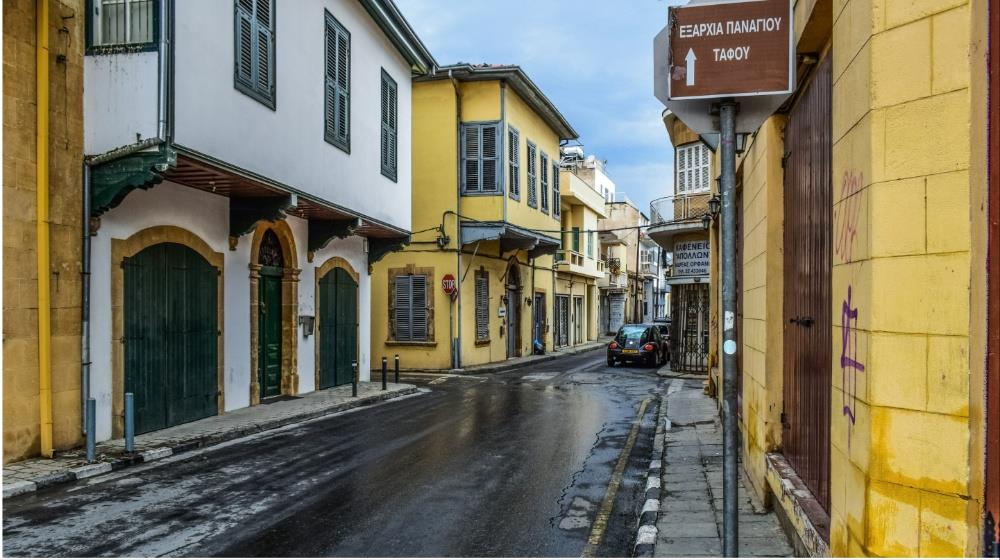
A small yet highly meaningful urban intervention is currently being implemented by the Nicosia Tourism Board (ETAP Nicosia) within the walled city, involving the recording, research, and redesign of street signs in the area.
According to a press release by ETAP, the documentation, research study, and redesign of street signage in the walled city have already progressed, with the aim that the new signs will not be limited to displaying street names only, but will also include brief historical and informational texts explaining the origin and significance of each name.
In this way, the daily walk of residents and visitors in Nicosia is transformed into an experience of cultural discovery and storytelling. The initiative covers approximately 150 different street names within the walled city, creating a new narrative route through the urban fabric of the capital. Through the signage, figures from history, literature, politics, and culture are highlighted, strengthening the city’s connection to its collective memory and identity.
At the same time, a dedicated section is being developed on the Visit Nicosia website, where, via QR codes placed on the signs, visitors will be able to access detailed content for each street, including additional historical information.
Particular emphasis has also been placed on the design of the signs themselves, so that they serve not merely as functional markers but as elements of the city’s aesthetic and cultural identity. The visual element at the top of each sign is inspired by the bastions of Nicosia’s Venetian walls, referencing the historical morphology and cultural heritage of the capital.
It is noted that their contemporary design seeks to create the kind of atmosphere found in the historic centers of European cities with long histories, where even the smallest details of public space contribute to the overall visitor experience. The street signs function not only as informational tools but also as an aesthetic upgrade and a “statement of identity” for the city.
The initiative highlights Nicosia’s potential to lead in areas of modern urban development, management of historic centers, and the enrichment of visitor experiences through subtle yet meaningful interventions of high aesthetic and cultural value.
Referring to the significance of the initiative, ETAP Nicosia President Theodoros Kringou stated: “Highlighting the history behind street names is a meaningful act of cultural interpretation, enriching visitors’ experience and strengthening their connection to the city’s identity.”
He added that “it also contributes to creating a more attractive and authentic tourism product, showcasing elements of cultural heritage that give Nicosia its unique character.”
“The use of history and local identity is a key pillar of our strategy to enhance the destination’s attractiveness and competitiveness, through the creation of high-quality and experiential offerings for both residents and visitors,” he noted.