








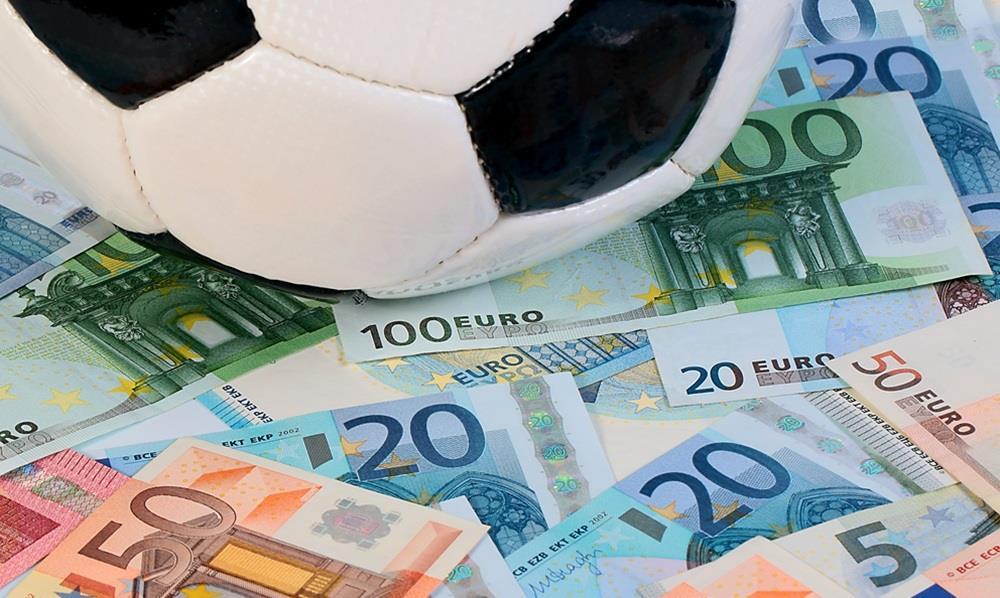
It may be considered a strategic investment, but hosting a World Cup does not offer a guaranteed return, with the huge expenditures on stadiums and sports facilities, infrastructure (roads, airports and transport), tourism promotion and generally strengthening the image of each country.
These are implemented in exchange for the promise of increased tourism during and after the event, job creation, attracting foreign investment and improving infrastructure. The potential benefits are real, but history has shown that countries that did not plan in time for the day after the World Cup and did not provide for the use of the facilities and infrastructure it leaves behind, came out at a loss in the long run.
As we count down to kickoff, we look at the issue and present you with the big picture, as well as the micro-impacts of the premier sporting event on our island's economy.
In terms of infrastructure, South Africa (2010) and Brazil (2014) are notable examples where several stadiums remained underused after the World Cup. In contrast, some countries, such as Germany (2006) and France (1998), made extensive use of existing sports facilities and carefully planned infrastructure investments, ensuring that the benefits would last for many years.
The upcoming World Cup, which begins on 11 June, will be hosted for the first time in history by three countries – the United States, Canada and Mexico – and will feature 48 national teams instead of 32. It will be an unprecedented event in terms of geographical, organizational and commercial scale. But beyond the glitz and global exposure, the key question remains: what will its economic legacy be once the spotlight fades?
South Africa, the "white elephants" and the special case of Qatar
Experience reminds us that major sporting events are almost always accompanied by cost overruns, because their enormous scope leaves virtually no room for postponement or cancellation, with the result that when delays occur in infrastructure projects, governments are forced to accelerate procedures, incurring significant additional costs. A typical example of a budget overrun is the 1976 Montreal Olympics, as the debts created burdened the city's public finances for decades.
At the World Cup level, the Brazilian tournament highlighted the problem of infrastructure that does not meet the real needs of local communities. Stadiums like the one in Manaus - as in Greece after the 2004 Olympics - have become "white elephants", that is, expensive facilities with minimal use after the tournament. More generally, in Brazil, more than $3 billion were spent on the construction of stadiums, many of which remain underused to this day. Similarly, in South Africa, despite the tourism boost caused by the World Cup, the long-term economic benefits failed to compensate for the high costs of hosting the tournament.
On the other hand, Qatar in 2022 made the largest sports investment in history, spending around $220 billion on stadiums, metros, road projects, tourist facilities and the creation of the city of Lusail. Unlike other countries, however, the main goal was not the immediate financial return on investment. The event was part of a broader strategy to strengthen the country's international influence and geopolitical presence, using the sporting event as a tool for projecting power and national branding - few states have the financial resources to follow a similar model. Despite the significant boost given to the economy and tourism, the long-term economic return on such a large investment is still a matter of debate.
However, the 2026 World Cup is set in a different context, as the three host countries already have most of the necessary infrastructure in place, limiting the need for extensive new construction and reducing the risk of creating facilities without future use. Overall, it is expected to generate significant economic activity and provide short-term benefits to many sectors of the economy. However, experience shows that the actual economic results are usually more limited than initially predicted.
The profit of the US, Mexico and Canada
According to estimates by FIFA and partnering consultancies, the 2026 World Cup could add up to $40.9 billion to global GDP and create around 824,000 jobs, directly or indirectly linked to the event. However, when the impact at the national level is considered, the picture becomes more complex.
In the United States, the world's largest economy, the estimated benefit is about $17 billion, or less than 0.1% of US GDP. In other words, the World Cup is not expected to be a major driver of economic growth for the country, but rather to boost local economies through tourism, consumption and increased demand for services in host cities.
In contrast, Mexico appears to be the biggest beneficiary of the event. Estimates suggest economic benefits of around $3 billion, equivalent to 0.2%-0.5% of the country's GDP. Given that the Mexican economy is more dependent on tourism and services, the influx of international visitors is expected to have a more noticeable impact on growth, particularly in cities such as Mexico City, Guadalajara and Monterrey.
Canada, for its part, is expected to reap benefits of approximately 3.8 billion Canadian dollars. At the same time, however, it will incur significant expenses, mainly for security measures and organizational needs. The total cost of hosting the 13 games to be held in Toronto and Vancouver is estimated to exceed 1 billion Canadian dollars.
Concerns are growing in American cities
Although the World Cup is presented as a huge economic opportunity for the three hosting countries, concerns are beginning to be expressed in several American cities about whether expectations will be confirmed in practice.
According to a report in the Financial Times, concerns are growing as high ticket prices, inflation fears and what some analysts call a “Trump slump” appear to be deterring some fans and travellers. As a result, hotel prices in host cities, from Atlanta to San Francisco, are appearing up to a third lower than initial market forecasts.
This picture is also reflected in the hotel industry. According to a survey by the American Hotel and Lodging Association of more than 200 hotels in the 11 American cities that will host the games, almost 80% of hoteliers said that bookings are below initial expectations.
Despite these short-term concerns, the long-term outlook for the sports and entertainment industry remains very positive. According to a report by the World Economic Forum, the hospitality, food and beverage and leisure sectors are among the top five sectors expected to drive global economic growth in the coming years, while entertainment and sports are also among the fastest-growing sectors globally. North America is forecast to be the region with the highest growth in sports and entertainment, making the current slowdown in tourism interest for the World Cup a rather unusual exception.
Ticket prices
One of the most debated issues ahead of the World Cup is the cost of tickets. Many analysts and fans are concerned that the increased prices could drive away a significant portion of traditional supporters of national teams, making the tournament less accessible to the general public.
According to The Economist magazine, the cheapest tickets for group stage matches cost around $200, compared to around $50 at the 2022 World Cup in Qatar. The difference is even more noticeable in the case of the final, where the cheapest available ticket is $2,036, when in the 2022 final the corresponding price was close to $500.
This significant increase reflects both the ever-increasing commercial value of the World Cup and FIFA's strategy to maximise revenue from the event. However, this trend is distancing the tournament from its grassroots roots, making stadium attendance the privilege of mainly wealthy fans and corporate clients.
The issue is even more important in the US, where the total cost of attending a match - including travel, accommodation and hospitality - can be prohibitive. High prices are one of the factors explaining why demand in some cities appears lower than initial expectations.
The sectors that will benefit
The big winner of the World Cup remains the media and television rights ecosystem. With a global audience that could reach six billion viewers, the 2026 World Cup has all the makings of the most-watched sporting event in history.
The benefits will be spread to broadcasters who own the broadcasting rights, streaming platforms, the advertising market, and cloud infrastructure providers who will be called upon to manage unprecedented volumes of data in real time. Many analysts believe that the event will be a turning point in the transition from traditional television to digital platforms and viewing via mobile devices.
The online betting industry is also expected to be particularly favoured. Historically, World Cups are accompanied by an explosive increase in betting activity, with platforms recording more active users and higher levels of betting interaction during the matches. At the same time, artificial intelligence has now become a key tool for creating personalised betting options in real time, turning the World Cup into a demonstration of the technological and commercial possibilities.
At the same time, major sports companies are expected to benefit from increased sales of national team apparel, sportswear and official products. Similarly, the beverage and brewing industry traditionally sees increased demand, as major events are associated with social gatherings, public viewings of matches and higher consumption.
Significant benefits are also expected for hotel chains, hospitality companies and short-term rental platforms such as Airbnb, although these effects are usually considered short-term. Meanwhile, video game and esports companies are expected to see increased activity, as each World Cup is accompanied by a resurgence of interest in football titles and online gaming communities.
The effects on Cyprus
The World Cup is also expected to have a positive, albeit limited, impact on the Cypriot economy. The event is expected to boost consumption in cafes, sports bars, restaurants and hotels that will be showing the games, while increased demand is also expected to be recorded in sales of food, drinks and televisions.
At the same time, betting activity is expected to increase, as major football tournaments traditionally attract increased interest from the public. At the same time, sales of sportswear and official products of the national teams that will participate in the event are also expected to receive a boost, even if Cyprus is not participating, even this time.
Of course, souvlaki, pizzas, beers and soft drinks will have their place. The only, but important, problem is the broadcast times of the games, since due to the time difference with North America, many games will be played at midnight or later.
(Source: InBusinessNews)
