








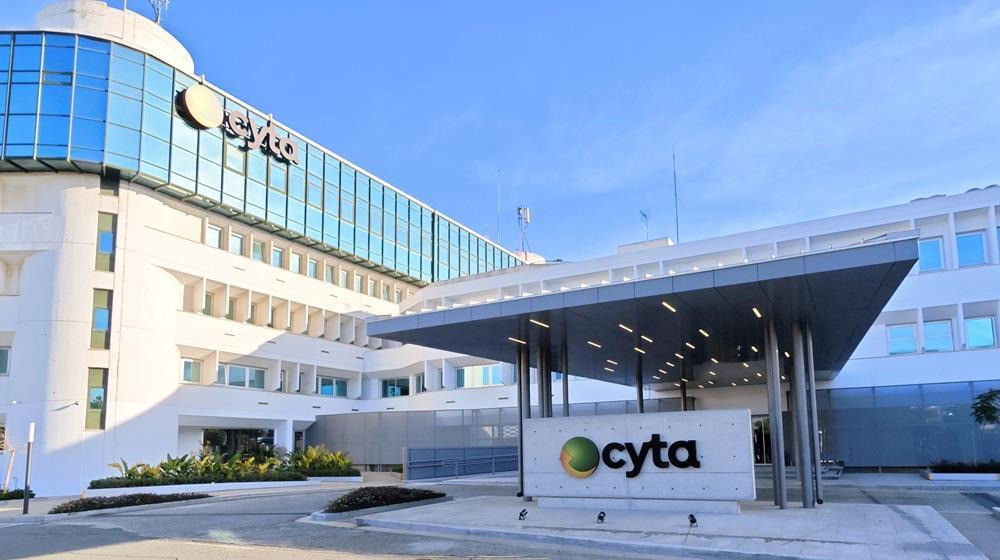
After months of debate and controversy, the Plenary of the Parliament approved the amending bill that allows the Cyprus Telecommunications Authority (Cyta) to operate in the energy sector and utilise its assets in related works, officially paving the way for its entry into the market, with an emphasis on Renewable Energy Sources (RES).
With 28 votes in favour, three against and 14 abstentions, Cyta has now acquired the institutional tools to claim licenses and enter a market that is already undergoing a transition. Whether and how the new energy map will be shaped will depend on the regulatory decisions and operational moves that will follow. What is certain is that the energy debate in Cyprus is entering a new phase.
The majority of MPs referred to the benefits of Cyta's entry into the energy market, noting that the goal is cheaper electricity for consumers, who have been faced with increasing electricity costs for a long time. At the same time, it was said that Cyprus cannot be an exception to the global trend that defines the bundling of telecommunications and electricity services.
It is worth mentioning that a verbal amendment by DISY was approved with 32 votes in favour and 14 against. The amendment provides that Cyta cannot operate in conventional fuels.
On the other hand, it is noted that AKEL's amendments were voted down with 28 votes against, 16 in favour, and one abstention.
The purpose of AKEL's amendments, as stated by its General Secretary, Stefanos Stefanou, was to establish safeguards for Cyta's entry into the energy market, ensuring that the organisation's activities in the sector will be carried out in terms of transparency, institutional adequacy and protection of the proper functioning of the electricity market.
Among other things, they provided for the preparation of an impact study before Cyta's substantial activity in the energy sector in order to assess the consequences on competition, consumers and the cost of operating the system with the contribution of the competent regulatory and supervisory authorities.
At the same time, the aim was to enhance transparency through the maintenance of separate accounts in the energy sector, as well as through the submission of a separate report to Parliament.
The passing of the law comes as a result of a series of intense discussions in the House Finance Committee, where all opinions were heard from both sides.
(Source: InBusinessNews)
