







Delta Air Lines is making a significant change to its premium-seat pricing strategy, officially announcing the new Basic Business fare class in its flagship Delta One cabin. The new category allows travellers to access the business-class experience at a lower price, retaining the core in-flight features but with fewer pre- and post-travel privileges.
This move fits into a broader trend among major airlines to create more fare subclasses, enabling passengers to choose which services they consider essential and which they are willing to pay extra for. Delta is thus extending its “Basic” fare model, which until now has been applied mainly to economy tickets and certain premium travel experiences.
What Basic Business includes on board
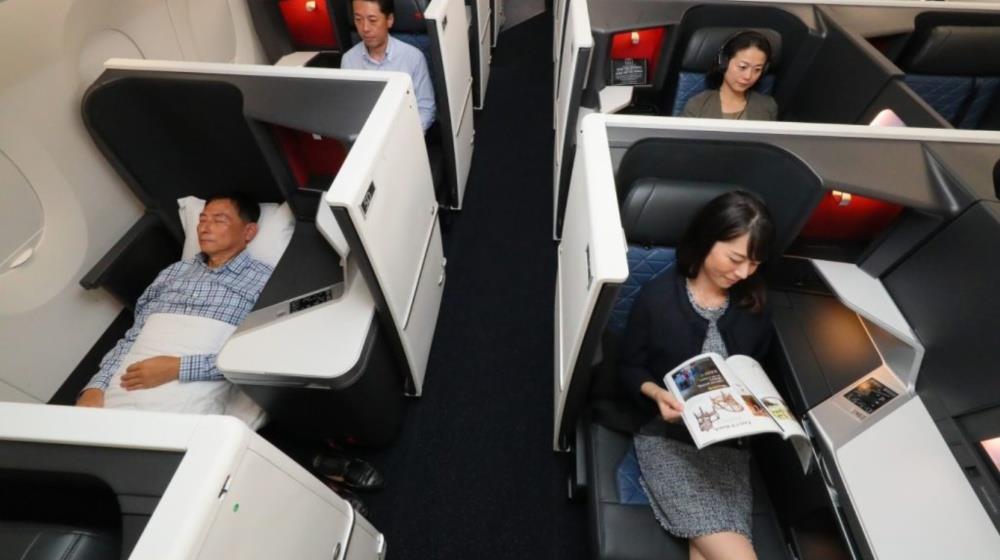
With the new Basic Business option, passengers continue to enjoy the fundamental Delta One features during the flight. These include a seat that converts into a fully flat bed, premium meals, comfort amenities, dedicated bedding, and the overall experience associated with the US carrier’s top cabin.
Key restrictions and differences
The differentiation lies primarily in services linked to the ticket before boarding and after booking. Passengers choosing the new fare will face restrictions on seat selection, which will be assigned later in the travel process, and will accrue fewer miles in the airline’s loyalty programme. At the same time, they will not be eligible for complimentary or paid upgrades, while changes and cancellations will be subject to specific limitations.
The most significant change concerns access to premium ground facilities. Basic Business ticket holders will not have automatic access to Delta One Lounges or Delta Sky Clubs through this fare alone, unless they have another entitlement, such as a membership or access via a credit-card rewards programme.
Airline rationale and industry context
Delta says the new category was created to offer customers more choice, allowing them to pay only for the services they consider important. The company believes many travellers care more about in-flight comfort than about additional airport perks or greater flexibility for ticket changes.
The introduction of Basic Business reflects a wider shift in how airlines manage premium cabins. In recent years, the unbundling of services into different tiers has expanded beyond economy and now affects higher-value categories as well, aiming to attract different passenger profiles.
This development suggests the airline industry is moving towards a more flexible pricing model, where travellers are asked to choose not only destination and seat class, but also the level of service that best matches their needs.
This article first appeared, in Greek, in the most recent edition of Hermes Airports' online newsletter, Flight Mode. Click here to view it.
