







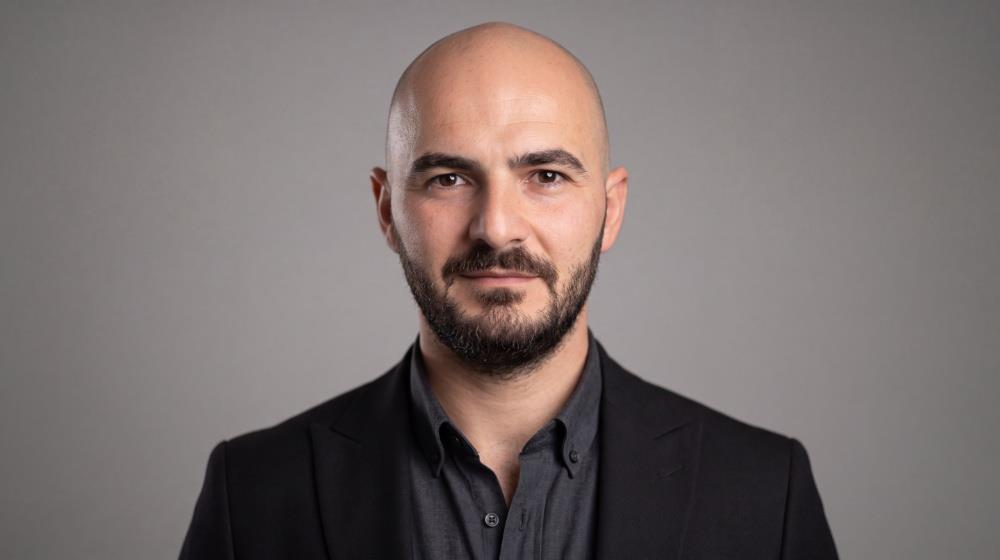
"The real risk is not whether something unexpected will happen, but whether you are prepared when it does. Readiness is more affordable than many people realize," notes Ionut Balan, Travel Insurance Specialist at SoEasy Insurance Brokers.
In a recent interview, Balan shares his expert insight into the key differences between the risks faced by different categories of traveller, and the benefits offered by annual travel insurance.
He also talks about his role at SoEasy, and the importance of 24/7 support when someone is facing a real problem abroad.
Tell us about your role as a Travel Insurance Specialist at SoEasy. What does your day-to-day work involve, and how do you support both travelers and your travel industry partners?
My role at SoEasy has two main aspects. I work directly with individual travelers, families, and business travelers to help them identify their coverage needs, select appropriate plans for their destinations and trips, and understand the claims process.
I also support our travel industry partners by providing quotations, issuing policies, setting up accounts, and managing daily service. This enables them to offer reliable travel insurance to their clients efficiently.
I also research insurance programs, industry trends, and travel requirements to ensure our published content remains accurate and relevant. My goal is to simplify complex topics so travelers can make informed decisions before and during their trips.
What's the key difference between the risks faced by a leisure traveler and those faced by a frequent business traveler?
The key difference is frequency and exposure. Leisure travelers typically travel once or twice a year, while frequent business travelers may travel monthly or weekly. This increases their overall exposure to potential disruptions.
Business trips are often arranged at short notice and involve tight schedules, increasing the likelihood of disruption. The more frequently someone travels, the greater their overall exposure to delays, cancellations, medical emergencies, and baggage-related issues.
We often hear "I already have health insurance, I'm covered." Why isn't that enough for someone traveling for business?
This is a common misconception. The European Health Insurance Card provides access to medically necessary, state-provided healthcare during temporary stays in participating European countries, under the same conditions and at the same cost as people insured in that country. However, it is not a replacement for travel insurance and does not cover private healthcare, repatriation, or lost or stolen property.
A routine procedure or brief hospital stay in countries with high healthcare costs can result in expenses of tens of thousands of euros. Business travelers often have no control over their destinations or local healthcare costs.
For this reason, SoEasy Travel Insurance annual plans provide up to €50,000 for medical, hospitalization, pharmaceutical, and surgical expenses abroad due to an accident or sudden illness. Medical transport or repatriation is covered up to the actual cost when medically necessary, while emergency dental care is covered up to €250. Domestic health insurance may not provide the same level of protection while traveling abroad.
What exactly does an annual travel insurance policy offer, and at what point does travel frequency make it more worthwhile than insuring trip by trip?
An annual policy covers eligible trips taken during the policy year under a single policy, subject to the maximum duration per trip, geographical area, and policy terms. There is no need to purchase a new policy before each eligible trip.
For frequent travelers, an annual plan can be more cost-effective and convenient than purchasing a separate policy for every trip, depending on the destination, age, and selected level of cover.
Anyone traveling for work more than four or five times a year may benefit from comparing an annual policy with separate single-trip options. Beyond potential cost savings, the main advantage is the convenience of arranging insurance once for the entire year.
If a business traveler decides to take out an annual travel insurance policy, what are the key things they should check before purchasing it?
Not all policies are the same, so it is important to focus on several key criteria.
First, consider geographic coverage. Many lower-cost policies only cover Europe. SoEasy Travel Insurance offers three tiers, with the top tier providing worldwide geographical coverage, subject to the policy terms, exclusions, and destination eligibility requirements.
Second, medical expense limits. Our annual plans provide up to €50,000 for medical expenses abroad. Medical transport or repatriation is covered up to the actual cost when medically necessary, while emergency dental care is covered up to €250.
Third, the maximum duration per trip. Under our plans, coverage applies to trips of up to 92 days, which comfortably covers most business trips. Anyone planning to stay somewhere longer will need a separate policy for that particular trip.
Fourth, cancellation and delay coverage, and finally, 24/7 support, because none of the above means much if there's no one to guide you the moment you actually need it.
Flight delays and lost or delayed checked-in baggage are among the most common problems for frequent travelers. How does SoEasy's annual cover handle these scenarios?
For holiday travelers, a flight delay may mean a lost day of leisure. For business travelers, it can result in missed meetings or lost opportunities. Tight schedules make even minor delays disruptive.
Our annual plan provides delayed departure coverage after 6 hours, helping travelers manage essential additional expenses caused by a covered delay.
It also provides protection for the covered loss or delay of checked-in baggage, including reimbursement for necessary items where applicable. All benefits are subject to the policy terms and limits.
Beyond the numbers on paper, how important is 24/7 support when someone is facing a real problem abroad?
I believe 24/7 support is the most critical aspect of the insurance experience, often more important than coverage limits. In emergencies, immediate access to real assistance is essential.
In practice, travelers need an assistance service that operates around the clock and can help coordinate directly with medical providers when required. For other covered situations, the policy may also provide legal assistance of up to €5,000, subject to its terms and conditions.
Policyholders have access to 24/7 emergency assistance through the contact details shown on their policy, including support with coordinating medical treatment and other covered emergencies abroad. The amounts listed in a policy provide reassurance on paper, but timely human assistance can make a real difference when something goes wrong.
What's the one piece of advice you'd give a frequent business traveler who still hasn't sorted out proper insurance?
I'd tell them to stop treating travel insurance as something they'll deal with "if and when" they need it. People routinely protect their homes, cars, and businesses. Frequent travel deserves the same level of careful planning.
The best approach is to turn it into a system. Make the decision once, properly, at the start of the year, and then focus entirely on the job at hand. With an annual policy, there's no such thing as a "small" or "big" trip. Whether it's a week in Singapore or twenty-four hours in Athens, eligible trips are covered within the geographical and duration limits of the annual policy, subject to its terms and conditions.
The real risk is not whether something unexpected will happen, but whether you are prepared when it does. Readiness is more affordable than many people realize.
