







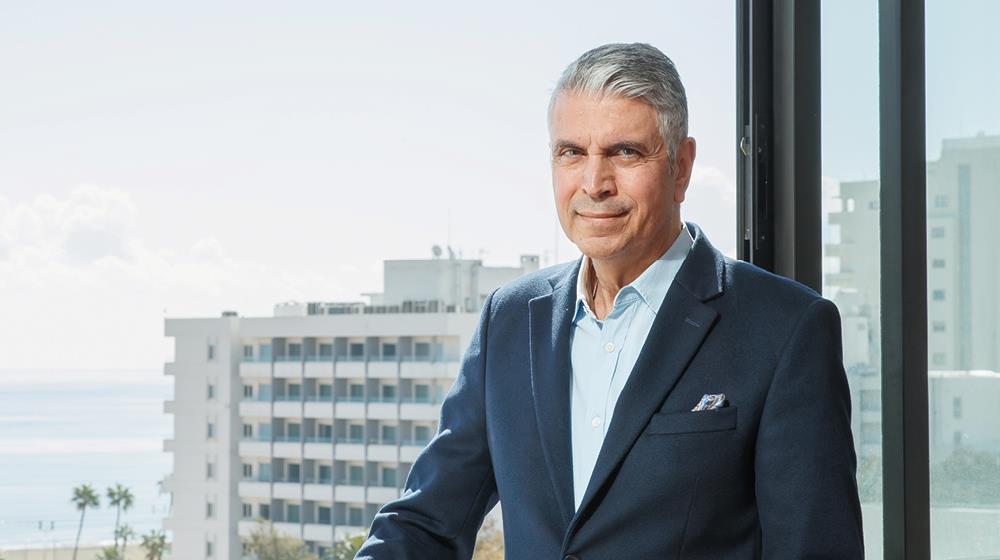
“Rather than a single transaction, Larnaca’s true potential is best reflected in the type of growth it can sustain. The city is well-suited to attract a selective level of high-quality investment while preserving a strong sense of livability. Its compact and coherent layout – the city centre, commercial areas and beachfront are closely connected – creates a practical and appealing urban environment. This accessibility is a key differentiator. Larnaca’s future, however, will be shaped by a balanced approach. Development is both necessary and welcome but it must respect the city’s cultural identity, architectural character and overall scale,” Michael J. Halios, Board Member and Partner of KPMG Larnaca tells GOLD magazine.
He outlines the key steps Larnaca must take to establish itself as a credible and cost-effective destination for investment. Reflecting on the city’s transformation, from the relocation of petroleum facilities to the longstanding debate over the port’s future, he makes a compelling case for how Larnaca can achieve sustainable growth.
You have been the partner in charge of Larnaca’s KPMG office and a member of the firm’s Executive Committee since 2013. What is the biggest change to the city’s business landscape that you’ve witnessed during the last 13 years?
Since 2013, Larnaca’s business landscape has evolved significantly. In the early years, and prior to the removal of the petroleum installations, the city attracted limited international investment, with most businesses favouring Limassol and Nicosia due to their more advanced infrastructure and established commercial ecosystems. The relocation of the petroleum facilities to Vasilikos, largely completed between 2019 and 2021, marked a defining turning point. This process also led to the lifting of regulatory restrictions related to industrial risk, enabling broader urban and residential development. As a result, Larnaca has been repositioned as a safer, more attractive destination for both business and tourism. In recent years, this transition has translated into growing investor interest, particularly in real estate and construction, with notable inflows from regional investors. Combined with its comparatively lower cost base, Larnaca is increasingly viewed as a credible and cost-effective alternative for international businesses. Looking ahead, the long-anticipated development of the Larnaca Marina has the potential to further enhance the city’s investment profile, provided that it is executed in a way that respects its character and urban balance.
Given how the city’s business landscape has changed over the past decade, how has the professional services sector in Larnaca evolved?
The professional services sector in Larnaca has evolved in a steady and measured way. Firms such as KPMG already operate as multidisciplinary organisations, offering a broad range of services across audit, tax and advisory, which has allowed them to adapt naturally to changing client needs. As part of a global network, KPMG in Cyprus has long been aligned with international best practices, enabling it to respond effectively to shifting market dynamics without the need to redefine its core offerings. The emphasis has instead been on maintaining high standards of quality, strengthening expertise where required and remaining agile. At the same time, strict regulatory and compliance frameworks remain central. Robust client acceptance procedures and thorough due diligence ensure that services are delivered with integrity, safeguarding against financial crime and reputational risk.
After many years advising businesses in Larnaca, is there a specific deal that, in your view, best illustrates what the city is genuinely capable of?
Rather than a single transaction, Larnaca’s true potential is best reflected in the type of growth it can sustain. The city is well-suited to attract a selective level of high-quality investment while preserving a strong sense of livability. Its compact and coherent layout – the city centre, commercial areas and beachfront are closely connected – creates a practical and appealing urban environment. This accessibility is a key differentiator. Larnaca’s future, however, will be shaped by a balanced approach. Development is both necessary and welcome but it must respect the city’s cultural identity, architectural character and overall scale. Preserving its authenticity, calmness and human dimension is essential. Ultimately, Larnaca’s success will lie in achieving sustainable growth that enhances its offering without compromising its distinctive identity.
Which new areas of international investment are beginning to flourish in Larnaca and what is drawing interest in the city rather than in Limassol or Nicosia?
Rather than positioning Larnaca in competition with other cities, it is more accurate to view it as complementing Cyprus’ broader economic landscape, where each city plays a distinct role. What is increasingly evident is the diversification of investor interest beyond traditional sectors such as financial services and real estate. Emerging areas include higher education, with institutions exploring a presence in the city, as well as healthcare, where there is potential for Larnaca to develop as a regional medical hub. In addition, the presence of Larnaca International Airport enhances its appeal as a base for regional headquarters, including technology, pharmaceutical and other internationally oriented businesses. The hospitality sector is also evolving, supporting the city’s positioning as a boutique tourism destination.
That said, the key consideration is not only what Larnaca can attract but what it should attract and at what pace. Sustainable development requires the parallel expansion of infrastructure, including transport, education, healthcare and urban planning capacity. A measured approach is essential to avoid the risks of overdevelopment and to preserve the city’s quality of life, which remains one of its strongest assets.
As the city evolves into one of Cyprus’ most promising investment hubs, which aspects give you confidence that its present growth is sustainable?
Larnaca’s trajectory is promising but its sustainability depends on maintaining a careful balance between growth and preservation. One of its key advantages is precisely its relatively measured pace of development, allowing it to position itself as a practical, accessible and cost-effective alternative within Cyprus. Its compact urban form continues to support both livability and functionality. However, safeguarding affordability must remain a priority. Increased investment should not lead to excessive pressure on property prices or rental costs, ensuring that local residents, particularly the younger generations, can continue to live in the city. At the same time, strategic assets such as the international airport strengthen Larnaca’s long-term investment appeal. Yet growth must be supported by adequate infrastructure and public services to prevent strain on daily life. Ultimately, sustainable success will depend on preserving what makes Larnaca distinctive: its accessibility, character and quality of life. Ensuring that development remains inclusive and balanced is a shared responsibility among local authorities and stakeholders.
This interview first appeared in the April edition of GOLD magazine. Click here to view it.
