







Cyprus is working towards integrating dry stone into environmental policy, landscape management and local development, with a clear emphasis on practical implementation, Commissioner for the Environment, Antonia Theodosiou, said at the IV Annual Forum on European Dry Stone Heritage, recently held in Nicosia.
In her opening remarks at the 28 - 30 April event, the Commissioner said dry stone is often described as a traditional craft. “For many of us here, however, it represents something much broader. It reflects a way of engaging with the landscape, a method that responds to environmental conditions with precision and respect, and a practice that continues to evolve through use”, she added.
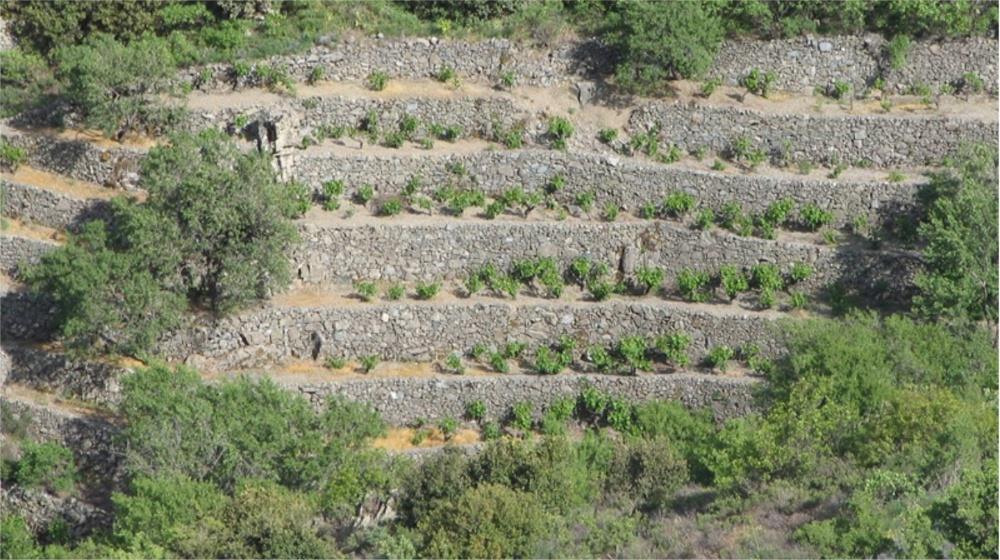
Across Europe, she noted, there is now a more mature understanding of dry stone structures as part of functioning cultural landscapes. “Such landscapes regulate water, support biodiversity, protect soils and, at the same time, shape local identity and economic activity”, she added, noting that the recognition of dry stone construction as part of UNESCO’s Representative List of the Intangible Cultural Heritage of Humanity “has certainly contributed to this shift”. Noting that this recognition also brings responsibility, Theodosiou said that the question is how to ensure its continuity in practice.
The Commissioner noted that there is still a gap between scientific knowledge and local experience, and often a disconnect between research and practical application, adding that bridging this gap is essential “if we want dry stone to remain relevant in contemporary contexts.”
“As Commissioner for the Environment since January 2024, this is the perspective we are trying to advance in Cyprus. Our approach goes beyond awareness and documentation. We are working towards integrating dry stone into environmental policy, landscape management and local development, with a clear emphasis on practical implementation”, she said.
A key part of this effort, she added, is the development, in collaboration with the Cyprus Organisation for Standardisation, of a model construction guide for dry stone retaining walls and stone-paved surfaces. “Alongside this, we are working towards the development of a standardised training framework, aimed at creating new skills and professional pathways, while connecting traditional knowledge with contemporary environmental priorities, including combating desertification, supporting cultivation and strengthening biodiversity”, the Commissioner said.
At the same time, she added, the effort extends into practice and application on the ground. She noted that the discussions and outcomes of a conference on dry stone heritage organised by her office last June, were now informing the development of a more structured training programme, aimed at supporting both the transmission and the practical application of the craft.
“We are moving forward with pilot projects, in cooperation with local authorities and other partners, that explore how this technique can be applied in different contexts”, Theodosiou said.
Another key aspect of this approach is outreach, through television features and multiple screenings across Cyprus of the documentary “Stone on Stone”, she added.
She also said that this work also has “a strong international dimension”, noting that Cyprus has been actively involved in international exchanges and that the country was entrusted with hosting the next International Dry Stone Congress and workshop in 2027.
What becomes clear, she said, is that dry stone brings together environmental, cultural, technological, economic and social dimensions in a very direct way. Its value lies in this ability to connect; both in practice and in the way we understand the landscape, she concluded.
(Source: CNA)
