






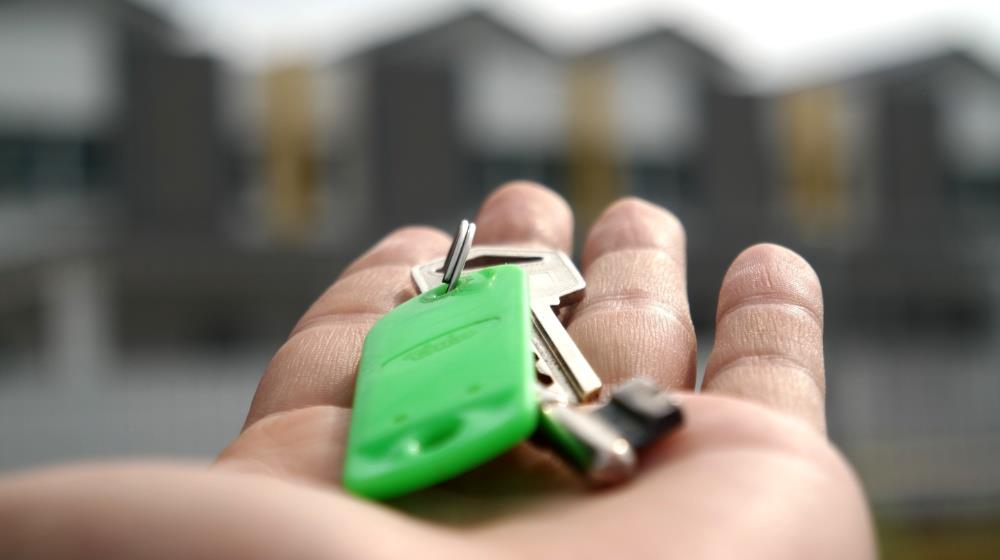
For generations, owning a home has been one of the most deeply rooted aspirations in Cyprus. Property has traditionally represented stability, family continuity, and long-term security. Values that remain central to Cypriot society today.
But as cities grow and economies evolve, housing needs change as well.
Across Europe, the way people approach housing is evolving. While the desire to own a home remains strong, modern realities such as mobility, career opportunities, and urban growth are reshaping how and where people choose to live. As a result, new housing options are beginning to complement traditional home ownership.
Cyprus is part of this broader transformation.
As the island develops into a regional hub for technology, business, and international services, cities such as Limassol, Larnaca and, increasingly, Paphos are attracting a growing and dynamic workforce, while Nicosia continues to draw students and professionals alike. With that growth comes a simple challenge: ensuring that housing supply evolves in step with demand.
In many cases, this means thinking not only about how many homes are built, but also about how housing is delivered to the market.
A different way of renting
In many countries, one model that has emerged to address growing urban demand is known as Build-to-Rent.
The concept is straightforward. Instead of constructing residential developments primarily to sell individual apartments, entire buildings are designed from the outset to operate as long-term rental communities.
These properties remain under unified ownership and are professionally managed, ensuring consistent standards of maintenance, transparent tenancy conditions, and reliable services for residents.
For renters, this can create a more predictable living environment. Routine matters such as maintenance, utilities, additional services, and communication with building management are managed through structured systems rather than informal arrangements between tenants and landlords.
The result is not just more rental housing, but a different type of rental experience. One that is organised, professionally managed, and designed with long-term living in mind.
Cities grow so housing must grow with them
One of the biggest housing pressures facing growing cities is the availability of land.
As urban areas expand and populations concentrate around economic centres, land becomes more limited. This places greater emphasis on how efficiently housing supply is planned and delivered, particularly in cities where demand continues to rise.
Large-scale residential developments have become an important part of that solution in many international cities. By building entire communities rather than isolated units, developers can introduce housing supply more quickly and more efficiently into the market.
When these developments are designed specifically for renting, they contribute directly to long-term housing availability rather than gradually entering the rental market through individual sales.
For fast-growing cities, this can help ensure that housing supply keeps pace with economic growth.
Renting in a changing economy
In many parts of Europe, the role of renting has expanded as economies become more mobile and dynamic.
Professionals move cities more frequently. International companies bring new talent into urban centres. Young families may require flexibility during different stages of their lives.
In this context, renting does not replace home ownership, it complements it.
For many people, renting offers a practical solution during periods of mobility or career growth, before transitioning into home ownership. For others, it provides flexibility without the long-term commitments associated with property ownership.
This broader mix of housing options has become increasingly common in mature housing markets.
A conversation emerging in Cyprus
As Cyprus continues to grow economically, similar conversations are beginning to emerge locally.
The island’s development as a regional business and technology hub brings opportunity, investment and talent, but also new pressures on urban infrastructure, including housing.
Ensuring that housing supply keeps pace with this growth is essential for affordability and for maintaining the island’s competitiveness and quality of life.
In that context, models such as Build-to-Rent are increasingly being discussed internationally as one possible way to strengthen the long-term rental market and introduce professionally managed housing communities.
They are not intended to replace traditional housing patterns in Cyprus, where home ownership will continue to play a central role. Rather, they represent an additional tool that cities around the world are using to respond to changing housing needs.
Ultimately, the conversation about housing is not only about buildings or investment.
It is about ensuring that as Cyprus grows, the island continues to offer a balanced, accessible, and sustainable living environment—for residents today and for the generations that will shape its future.