




Demography is one of the most important factors that will determine the economic and social course of Europe in the coming decades. Population ageing affects the available workforce, productivity, the sustainability of pension systems and growth potential. However, demographic change does not inevitably lead to economic decline, as technology, productivity growth and appropriate policies can create new prospects.
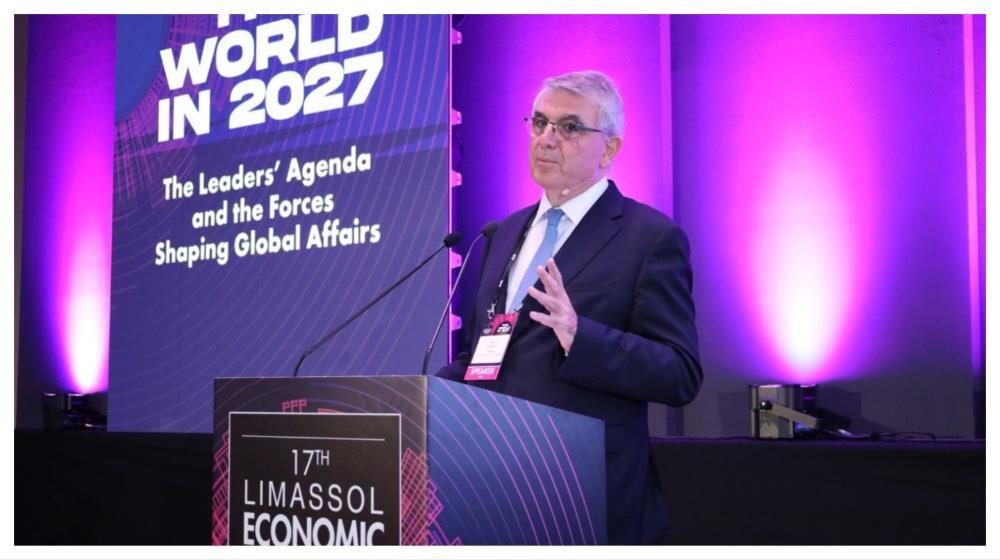
The economic implications of an ageing population and the policies that can support Europe's future prosperity were analysed by Panos Tsakloglou, Professor, Athens University of Economics and Business & Member of Monetary Council, Bank of Greece at the 17th Limassol Economic Forum. In his speech entitled "Europe's Demographic Time Bomb: Growth, Labour Markets, Pensions and the Economics of an Ageing Continent", Tsakloglou examined the implications of demographic changes on economic growth, the labour market and pension systems.
According to the data presented by Tsakloglou, Cyprus has a particularly high percentage of immigrant population, as 27.6% of its residents were born abroad, with 18.4% of the total population coming from countries outside the European Union. In the professor's assessment, effective management of immigration through the alignment of skills with market demand and social integration is a crucial tool for Cyprus to offset the pressures on the labor market.
At the same time, Tsakloglou underlined that Cyprus has made remarkable progress in women's participation in the labor market, which increased from 73.4% in 2010 to 80.2% in 2025, exceeding the European average, while employment among those aged 55-64 remains consistently high.
As Tsakloglou argues, the overall European picture is characterized by the dramatic decline in fertility in the EU-27, which fell from 2.57 children per woman in 1960 to 1.34 in 2024, at the same time as life expectancy increased from 69.1 to 81.6 years. In the speaker’s view, this “double demographic shock” leads to a shrinking working-age population and a rapid increase in people over 65, which limits growth, intensifies labor shortages and puts enormous fiscal pressure on health and pension systems. As the forecasts he cited for the Eurozone show, demographic changes are expected to burden pension spending by 6.2 percentage points of GDP by 2070, a pressure that can only be mitigated through the extension of working lives and higher employment.
According to Tsakloglou, an aging population does not necessarily mean economic decline if there is timely political action. As he argues, the adoption of artificial intelligence has the potential to dramatically improve productivity, especially in cognitive tasks, allowing businesses to produce more with less labor.
The professor believes that investing in lifelong learning, health prevention, ensuring accessible care structures for children and the elderly, as well as the reorganization of work can unleash Europe's full productive potential, ensuring long-term prosperity and social protection.