






Experts explain practical movements, posture, and habits that improve comfort during travel.
On long-haul flights, especially journeys that can last several hours, remaining seated in the confined space of an aircraft cabin often causes discomfort for passengers.
Travel health experts emphasize that proper posture and simple movements during the flight can significantly improve the travel experience. Small adjustments in passenger behavior have a direct impact on blood circulation and help reduce physical strain.
Start with your posture
Posture is the most important factor for comfort on a long flight. Your back should be fully supported by the seat to avoid excessive pressure on the lower back and neck. Shoulders should remain relaxed, not hunched forward, while the head should stay in a natural alignment.
Leg position also plays an important role. Experts recommend keeping your feet flat on the floor or on a footrest to promote healthy blood circulation. Crossing your legs for extended periods can create pressure and increase the feeling of heaviness or numbness.
Move as much as possible
Remaining still for long periods is one of the main causes of discomfort on long flights. For this reason, experts recommend frequent small movements while seated, such as stretching your legs, rotating your ankles, and changing positions.
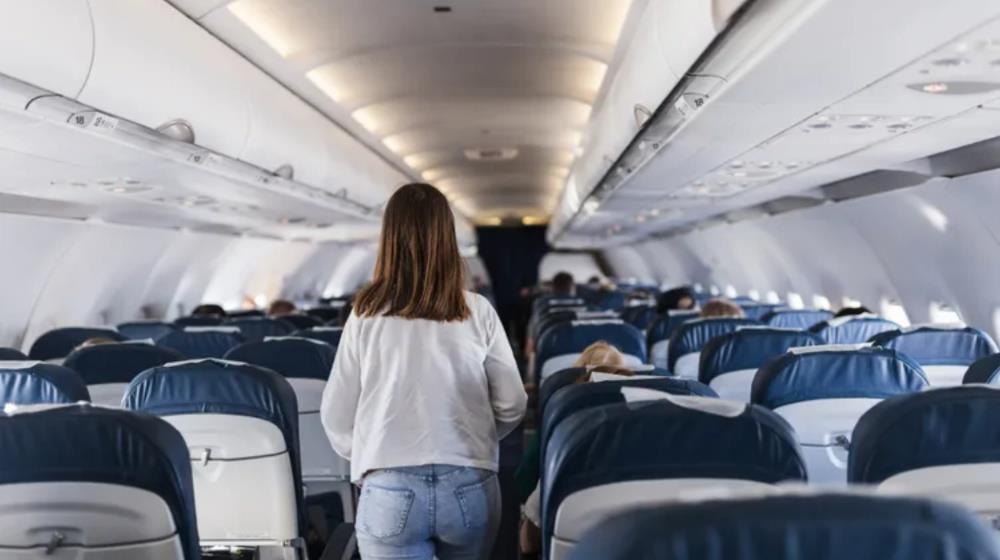
When conditions allow, short walks along the aircraft aisle significantly improve circulation. Even a few minutes of movement at regular intervals can reduce stiffness and noticeably improve travel comfort.
Stay hydrated
Hydration is essential during flights, as the cabin air is particularly dry. Drinking water regularly helps reduce fatigue and maintain normal bodily function. In contrast, excessive consumption of caffeine and alcohol can increase dehydration and negatively affect your sense of well-being during the journey.
Choose comfortable clothing and prepare properly
Wearing clothes that do not restrict the body is key to staying comfortable on long flights. Loose, comfortable clothing supports proper blood circulation, especially in the lower limbs, which are more prone to strain.
In addition, proper preparation before the flight—such as getting enough rest and having a light meal—can make the journey smoother and less tiring.