








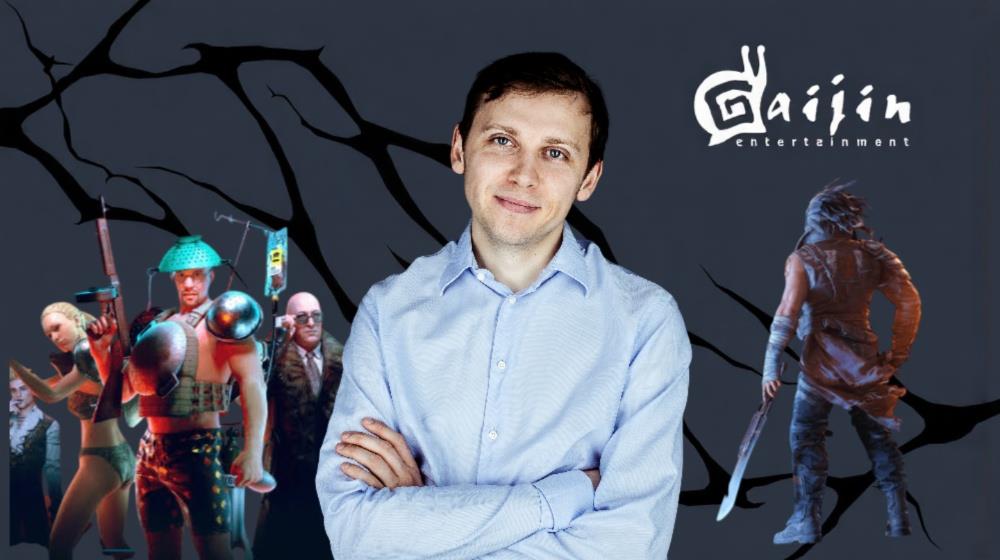
"Every game competes for the player’s time, not only with other games but also with social media, streaming platforms, short videos and many other forms of entertainment," Anton Yudintsev, Founder, Gaijin Entertainment, which includes Larnaca among its global locations, reveals, going on to note that, "For developers, this means that simply making a good game is not enough. You need a strong identity and the ability to keep players engaged after the first contact."
In a recent interview with GOLD magazine, Yudintsev talks about the core business model and game development strategy of the independent video game developer with headquarters in Hungary and locations in Germany, Latvia, Armenia and the UAE as well as Cyprus.
Among other things, he also weighs in on the key factors currently influencing the company’s operations and strategic decision-making, noting, “One of the biggest factors is the rising expectations of players” along with commitments to meet regulation in different jurisdictions, and the role of AI.
The Founder, in addition, reveals what he considers to be the most significant recent industry trends and growth drivers, and which of these he expects to shape the sector over the coming years, suggesting that, "Players increasingly choose games that can become part of their everyday entertainment routine, not just something they finish once and forget."
How would you describe your company’s core business model and game development strategy?
We focus on creating long-living online games with deep gameplay systems, regular content updates and strong communities around them. Our best-known projects, such as War Thunder, Crossout and Enlisted, are built as live service games: we launch them, support them for many years, expand them with new content and constantly improve the player experience based on data, feedback and our own creative vision.
The biggest share of our audience plays our free-to-play games, with monetisation built around optional purchases, premium content, customisation, convenience and access to specific types of content. We publish our games on PC, consoles and mobile, and we aim to let players access our titles in the most convenient way possible.
What are the key factors currently influencing your company’s operations and strategic decision-making?
One of the biggest factors is the rising expectations of players. They expect constant updates, transparent communication, fair monetisation, quick fixes, anti-cheat protection and cross-platform support. Every game competes for the player’s time, not only with other games but also with social media, streaming platforms, short videos and many other forms of entertainment. For developers, this means that simply making a good game is not enough. You need a strong identity and the ability to keep players engaged after the first contact.
Regulation is also becoming increasingly important. Data privacy, consumer protection, platform rules, age ratings and regional requirements all have a direct impact on how online games are operated. As a company with a global audience, we have to make sure that our games and services comply with different legal frameworks while still providing a consistent experience for players.
AI is another important factor and a very sensitive one. On the one hand, it can be a useful tool in certain internal workflows: for example, analytics, moderation, support tools or code review. On the other hand, we fully understand why many players are sceptical or even hostile toward generative AI – we don’t like it either! The market has already seen too much low-effort AI-generated content and audiences are understandably concerned that AI may be used as a shortcut instead of real craftsmanship.
What do you consider to be the most significant recent industry trends and growth drivers? Which of these do you expect to shape the sector over the coming years?
One of the most significant trends is the continued growth of existing live service games. Players increasingly choose games that can become part of their everyday entertainment routine, not just something they finish once and forget.
Looking ahead, AI will certainly influence the industry but probably in a more practical way than some of the hype suggests. It will help developers work faster, test ideas, improve support tools, assist with quality control, localisation and moderation. However, the games that succeed will still need strong design, strong art direction and a clear understanding of what makes the experience meaningful for players.
GAIJIN ENTERTAINMENT
Established in Cyprus: 2012 (distribution/operational company); 2021 (holdings company)
Offices in: Hungary, Latvia, Germany, Armenia, UAE
Number of employees: ~700 globally; ~100 in Cyprus (including subsidiaries)
Most successful titles: War Thunder, Crossout, Enlisted
Notable achievements: War Thunder currently holds two official Guinness World Records: Most planes in a flight simulation game; Most players online simultaneously on one flight simulation server.
This interview first appeared in the June edition of GOLD magazine. Click here to view it.
