







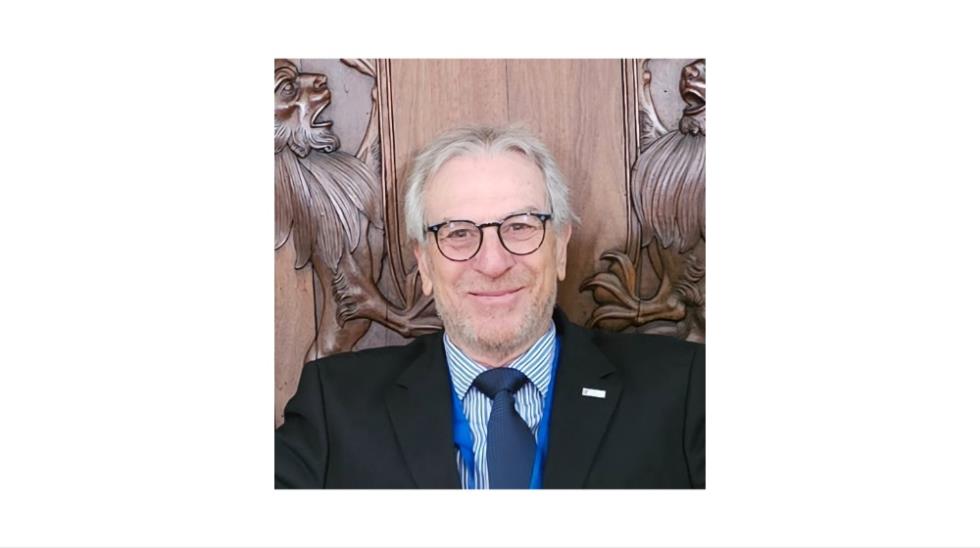
The title of European Capital of Culture for 2030 will have a multiplier effect on Larnaca, Andreas Karakatsanis, General Director of the Larnaca 2030 Organisation has said.
Speaking to the Cyprus News Agency (CNA), he added that one of the key infrastructure projects is the construction of the Common Ground Art Centre, at a cost exceeding €35 million.
He said that the budget for the Larnaca 2030 Organisation is estimated at around €27 million, of which €10 million will be provided by the state, €2 million by the European Union, and €7.5 million by the Municipality and other partner organisations, including the Larnaca District Local Government Organisation. In addition, the Organisation is seeking contributions from private businesses and aims to secure approximately €3.5 million by 2030.
Karakatsanis noted that when Larnaca won the title of European Capital of Culture 2030 last December, preparations immediately began for the cultural events that will take place both in the lead-up to and during the title year. Activities had already commenced last year with the organisation of MahalArt, while further events are planned annually at various venues, culminating in 2030 with three to four major flagship events.
Larnaca’s European Capital of Culture programme - Common Ground
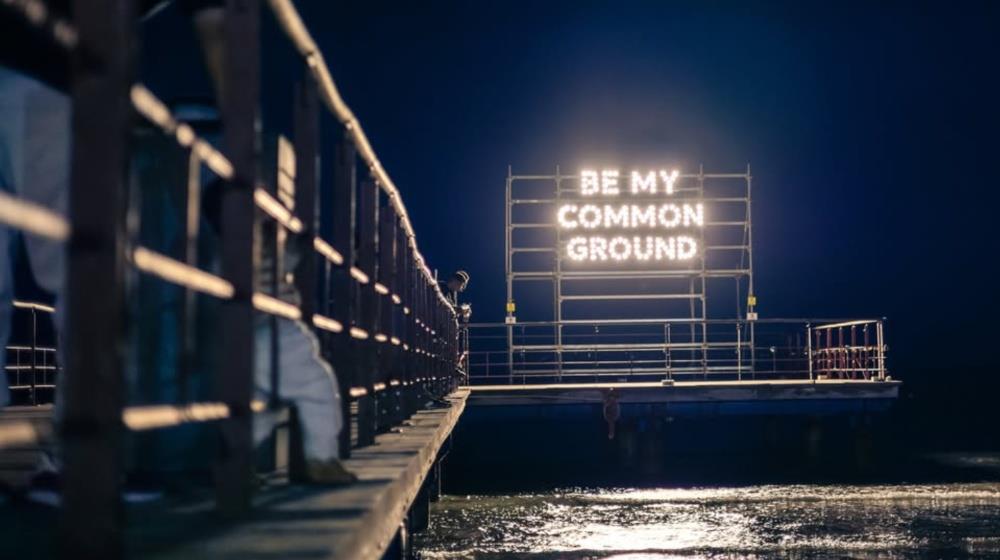
Referring to the central concept of Larnaca’s European Capital of Culture programme - Common Ground he said it was a notion based on participation, coexistence, dialogue, creativity and shared experience.
Karakatsanis further explained that, as part of the bid submitted for the title, a commitment was made to create the Common Ground Art Centre by 2030. The centre will be built in the area of the former oil refineries and will cover approximately 7,000 square metres. It will include a theatre with a capacity of 800 to 1,200 people, a Design Centre, which will host visual art exhibitions and function as an artist incubator, as well as the Museum of the Memory of the People of Larnaca, showcasing objects that connect notable individuals from the city with its past, present and future.
Regarding the construction of the cultural centre, he said that the project is expected to cost approximately €35 million, funding for which the organisation hopes to secure from European programmes through the state.
Referring to studies carried out by cities that have previously held the title, as well as by various universities, Karakatsanis said that the European Capital of Culture designation has been shown to deliver significant economic benefits. Visitor numbers typically increase by around 30-40%, overnight stays by approximately 10%, while a country's Gross Domestic Product (GDP) may also experience growth of around 4%, he said.
He emphasised that the title of European Capital of Culture should not be viewed merely as a cultural programme. Rather, it acts as a catalyst for development across a range of sectors, including trade, the hospitality industry, retail sales and technology, generating positive impacts for the cities that are awarded the title, Karakatsanis said.
(Source: CNA)
