







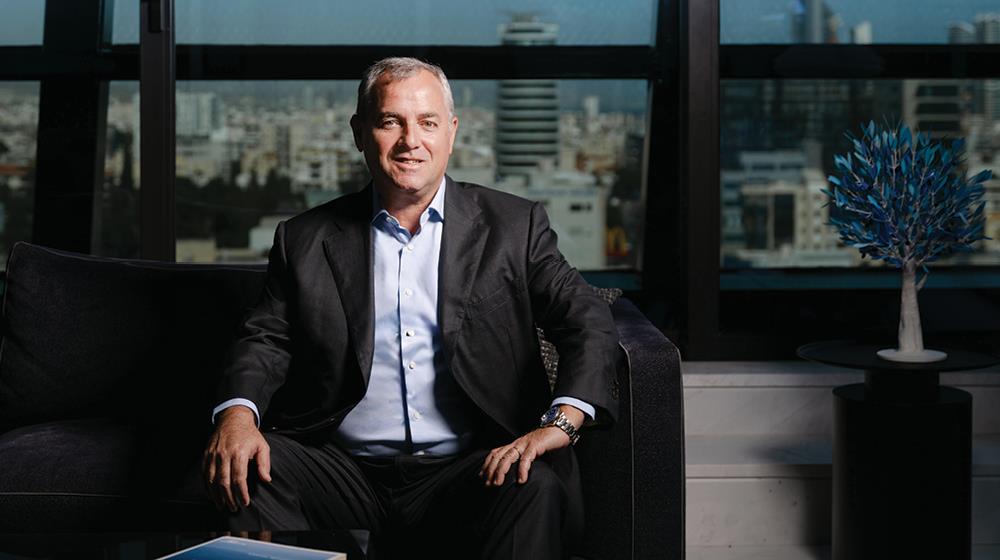
“The country’s core strengths remain clear: a strategic location, EU identity and an internationally respected flag. Today, the main challenge is maintaining competitiveness in a fast-evolving industry shaped by digitalisation, stricter environmental regulations and geopolitical pressures. While solid progress has been made, keeping pace through coordination and sustained investment is essential,” says Polys V. Hadjioannou, President of the Cyprus Union of Shipowners (CUS).
Speaking to GOLD magazine, Hadjiannou discusses the current climate of a rapidly transforming global shipping sector. He has a clear mandate: to protect competitiveness, strengthen the Cyprus flag and navigate an increasingly complex regulatory and geopolitical landscape.
Having recently assumed the CUS presidency, what are your immediate priorities?
Our focus is on reinforcing the Cyprus flag with new vessels, ensuring a stable and attractive regulatory and fiscal framework, and sustaining the momentum that has already led to a steady increase in fleet registrations, particularly through our outreach to Greek shipowners. At the same time, we are addressing the growing challenges posed by measures such as the EU Emissions Trading System (ETS) and the IMO’s developing Net Zero Framework. We advocate for realistic timelines, coordinated policies and practical implementation to avoid double burdens on shipowners and reflect the operational realities of tramp shipping. We remain actively engaged in national and European discussions, especially as geopolitical developments and restrictive measures affect European shipping, energy security and the EU’s strategic autonomy. Our goal is to support policies that are effective, proportionate and internationally aligned, ensuring that both European and Cypriot shipping remain competitive and cultivating the next generation of maritime professionals, while promoting sustainable development and innovation across the cluster.
The EU Emissions Trading System is seen by many as both necessary and disruptive. Where does the CUS stand on this issue?
CUS recognises the environmental purpose of the EU ETS but we believe that it places a disproportionate financial and administrative burden on shipowners, especially smaller operators. While the ETS can support innovation, this is only possible if it is coordinated with global measures and implemented practically and proportionately. Otherwise, it risks distorting competition, particularly for tramp shipping, and creating a double burden alongside the IMO’s developing Net Zero Framework. We fully support Europe’s decarbonisation goals but the regulatory framework must be balanced and the burden shared fairly across the entire transport chain, with practical solutions that safeguard both sustainability and the business continuity of companies of all sizes.
What is the biggest misconception that policymakers have about shipping’s ability to transition?
The biggest misconception is the idea that shipping can decarbonise as quickly and easily as land-based industries. The technologies, fuels and global infrastructure are simply not available at scale, yet regulations are often drafted as if they were. This places an unrealistic burden on shipowners, especially small and medium-sized companies. Another misconception is that shipowners alone can drive the transition. Decarbonisation requires coordinated action across the entire transport chain. Without fuel producers, ports, charterers and regulators moving in step, the cost and responsibility fall unfairly on shipowners. We fully support the industry’s climate goals but the transition must be realistic and inclusive, with balanced rules, financial support and shared responsibility.
With geopolitical tensions on the rise, is politics beginning to excessively disrupt the shipping industry?
Geopolitics is now disrupting shipping in very real and immediate ways. Sanctions, regional conflicts and shifting trade routes are increasing costs, complicating compliance and creating operational uncertainty, especially for tramp operators that must adjust routes and cargoes overnight. For the CUS, the starting point is always the same: protecting seafarers. With geopolitical tensions rising, this responsibility has become even more urgent. In regions such as the Eastern Mediterranean and the Red Sea, our members’ priorities are clear: keeping their crews safe, safeguarding their vessels and maintaining continuity of operations. To help our members, we provide real-time risk assessments, security advisories, strong onboard safety protocols and guidance on rapidly evolving sanctions. At the same time, we work closely with regulators to ensure that new measures are practical, proportionate and do not undermine competitiveness.
As shipping undergoes a profound technological and environmental transformation, how is collaboration between government, shipowners and representative bodies such as the CUS evolving to meet mounting global pressures?
The technological and environmental shift in shipping is accelerating and Cyprus has responded decisively. The Shipping Deputy Ministry has driven major digital reforms, from modernising ship registration and certification processes to rolling out new digital platforms, making processes faster, more transparent and more accessible for shipowners and seafarers alike. Equally important is the strengthening of structured cooperation with the industry: the establishment of the Shipowners Advisory Committee has been a significant step forward, bringing together eight internationally recognised shipowners with substantial Cyprus-flagged fleets, giving them a direct advisory role on all matters concerning the flag. Their input ensures that the national maritime strategy is grounded in real operational needs and market conditions – a crucial element in an era of rapid regulatory and technological change. We build on this progress by guiding our members through digital and environmental transition, offering expert support, access to new technologies and strong regulatory advocacy.
What are the most pressing structural challenges that Cyprus faces today as a leading maritime hub?
The country’s core strengths remain clear: a strategic location, EU identity and an internationally respected flag. Today, the main challenge is maintaining competitiveness in a fast-evolving industry shaped by digitalisation, stricter environmental regulations and geopolitical pressures. While solid progress has been made, keeping pace through coordination and sustained investment is essential. Cyprus’ greatest opportunity lies in further expanding the Cyprus flagged fleet and strengthening its role as a leading maritime centre. The CUS is central to this effort, as its members control the majority of the Registry and actively promote the Cyprus flag abroad. If Cyprus has a ‘blind spot’, it is the assumption that past success guarantees future strength. The global landscape is shifting quickly and we must continue to adapt with unity, speed and strategic focus. The CUS remains committed to this path, working closely with the State and the international maritime community to ensure that Cyprus shipping stays competitive, resilient and internationally recognised.
This interview first appeared in the May edition of GOLD magazine. Click here to view it.