






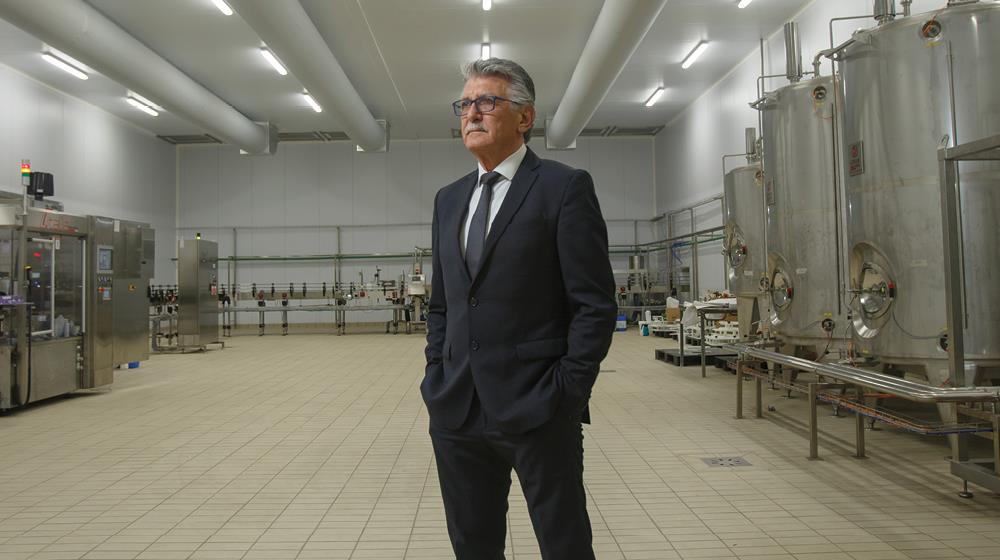
“Larnaca has the potential to position itself not only as a tourism destination but also as a competitive hub for high-quality production and exports. The opportunity ahead is clear: to build a modern, competitive and resilient Larnaca. This requires coordinated action between government, industry and institutions,” George Petrou, CEO of Petrou Bros Dairy Products Ltd (ALAMBRA) and Vice President of Industry, at the Larnaca Chamber of Commerce & Industry says.
In an interview with GOLD magazine, Petrou believes that while Larnaca may be expanding its economic ambitions, traditional sectors remain the foundation for what comes next. He explains how these sectors can grow alongside new ones as the city continues to reinvent itself.
As Larnaca continues to attract infrastructure investment, what is the most important project and is it on track to be delivered?
Larnaca is entering a defining decade. After years of underdevelopment compared to other cities, we are now seeing a clear shift towards investment, modernisation and outward-looking growth. This creates a unique opportunity – not only to upgrade infrastructure but to reposition Larnaca as a competitive business and industrial hub alongside its tourism development. The port and marina redevelopment remains the most transformative project for Larnaca. It has the potential to redefine the city’s economic model by strengthening tourism, trade and international connectivity. At the same time, road infrastructure and accessibility improvements are equally critical, particularly for supporting industrial activity and logistics. While delays have affected progress in the past, there is now stronger alignment among stakeholders. The priority moving forward is timely execution – delivering projects on time to maintain credibility and unlock further investment.
From humble beginnings in 1982, Petrou Bros Dairy Products Ltd now exports to over 40 countries. What was the most challenging aspect of growing from a local dairy into an international brand?
The biggest challenge on our growth journey was transitioning from a local mindset to international standards. Expanding into global markets required heavy investment in certifications and quality systems, operational consistency and long-term partnerships. At the same time, we had to remain true to our identity. Our success is based on balancing authentic Cypriot products with international reliability – a combination that builds trust across markets.
Looking at those export markets more closely, which are the main ones and how do Cypriot companies manage to navigate geopolitical shocks? What role does the LCCI play in assisting these businesses?
Our core export markets include the UK, Sweden, Germany and the US, each requiring a tailored approach. Today’s geopolitical environment has introduced new complexities, ranging from supply chain disruptions to financial risk and market volatility. As a result, exporters must be more agile, diversify their markets and strengthen risk management practices. The Larnaca Chamber of Commerce & Industry plays an important role by advocating for businesses at a policy level, facilitating collaboration and information flow and supporting international outreach. In uncertain conditions, strong institutional support becomes a key competitive advantage.
The manufacturing and food production sectors are currently facing significant challenges. Do you feel that they receive the recognition and policy support they deserve?
Manufacturing and food production remain critical to the economy, particularly in terms of exports, employment and resilience. However, the sectors face increasing pressure from high energy and production costs, labour challenges and regulatory demands. While there has been some progress, more targeted and long-term support is required – especially in energy policy, innovation incentives and workforce development. Strengthening these sectors is not optional; it is essential for sustainable growth.
As food and manufacturing services grow alongside Larnaca in ambition, how do you see this relationship developing over the next 10 years?
The relationship between Larnaca’s development and its industrial base will become increasingly interdependent. As the city evolves into a more modern and diversified economic centre, manufacturing and food production must also upgrade, innovate and integrate more closely with global markets. Over the next decade, I envisage increased investment in technology and automation, a greater emphasis on sustainability and efficiency and stronger links between industry, logistics and services. Larnaca has the potential to position itself not only as a tourism destination but also as a competitive hub for high-quality production and exports. The opportunity ahead is clear: to build a modern, competitive and resilient Larnaca. This requires coordinated action between government, industry and institutions. If we succeed, Larnaca will not only grow – it will redefine its role in Cyprus and the wider region.
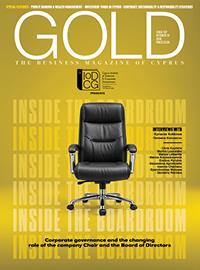
This interview first appeared in the April edition of GOLD magazine. Click here to view it.
