








The ExxonMobil-QatarEnergy consortium has taken a major step toward unlocking Cyprus' natural gas potential by declaring the Glaucus and Pegasus fields in Block 10 commercially viable on Friday.
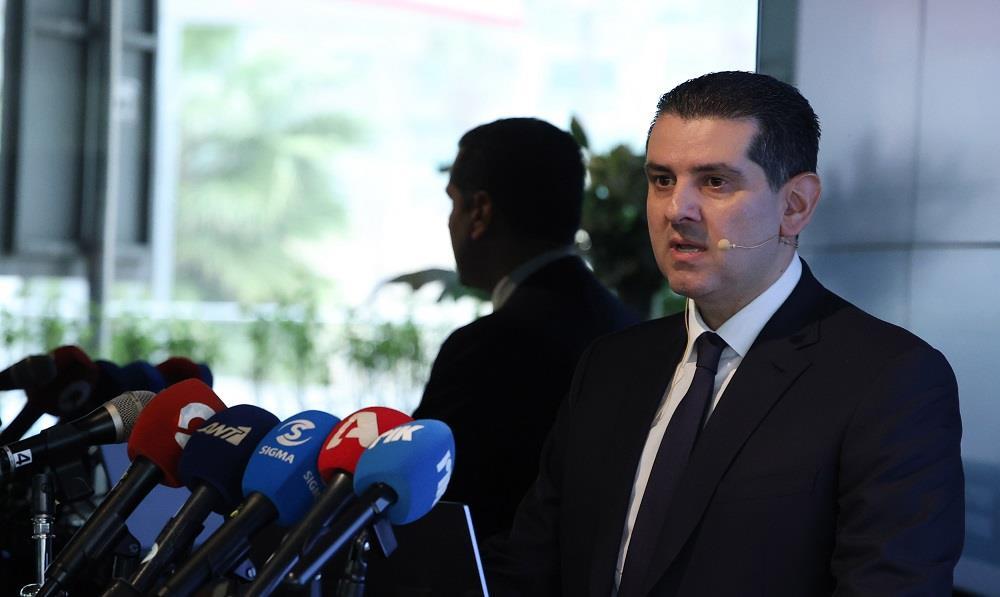
The consortium submitted a formal declaration of commerciality to the Energy Ministry, the Minister Michalis Damianos announced on the day during a press conference reviewing 2025 achievements and outlining 2026 goals.
"This declaration essentially means that the two fields in Block 10 -totaling around 7 trillion cubic feet of gas- are now commercially recoverable," Damianos said.
He added that the consortium must submit a development plan within the next year, paving the way for a final investment decision in the coming years. This could lead to production from these fields after 2030, with a potential milestone in 2033.
The move marks a significant milestone, as Glaucus and Pegasus now join the already declared commercial reserves of the Aphrodite and Cronos gasfields, bolstering Cyprus' energy prospects.
Regarding the Aphrodite reservoirs, in block 12 of the Cypriot EEZ, the Minister stated that it the procedure continues according to plan, based on the agreement signed on 30 March in Egypt, during EGYPES conference.
He added that Chevron is also proceeding with FEED until January 2027 for the final investment decision is taken. He explained that following the final decision, which will take place within the next 4 to 5 years, the natural gas from Aphrodite will be given to Egypt as agreed. As such, the revised plan for the deposits has been approved and the pre-FEED stage was completed, the Minister added that.
In regard to the Kronos field, he said that he is close to reaching an agreement with ENI and TotalEnergies, following the agreements of EGYPES.
He expressed hope that the companies will proceed to the final investment decision within the coming weeks, adhering to the initial timelines set for the end of 2027 and the start of 2028.
