






The planning for the expansion of the American Medical Center to Limassol is gradually entering an implementation phase, with the facility expected to become operational and receive its first patients by 2028.
This will essentially be a modern hospital, housed in a 13-storey building of original and eco-friendly architectural design, with the cost estimated at around €60–70 million.
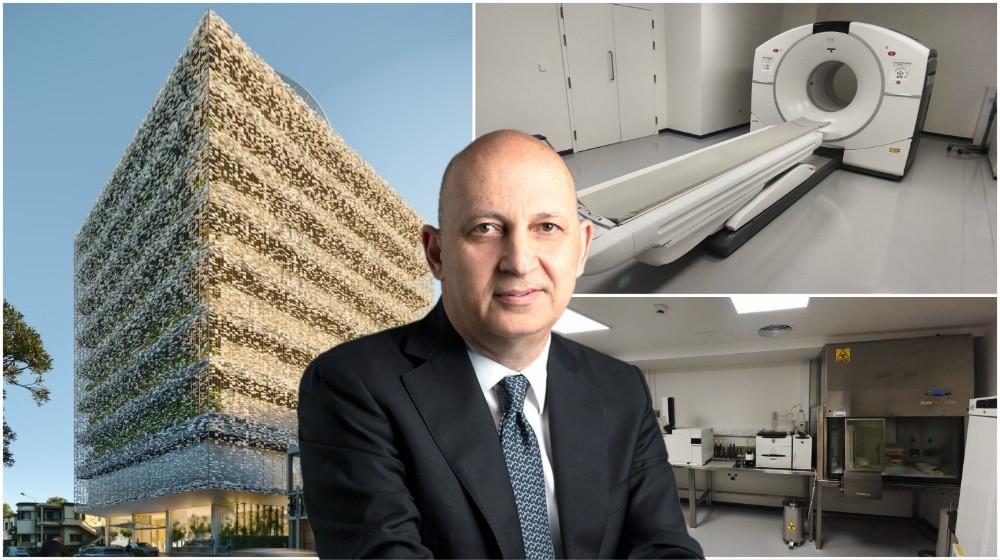
Speaking to InBusinessNews about the progress of the project -which is expected to become a reference point for the healthcare sector- as well as the recent launch of a specialised PET CT diagnostic centre at the American Medical Center, was the founder and Chairman of the Board, Dr Marinos Soteriou.
On the sidelines of the construction of the AMC in Limassol, Soteriou stated that planning permission has already been secured, while the building permit is expected shortly, allowing construction works to begin. These are estimated to last around two years.
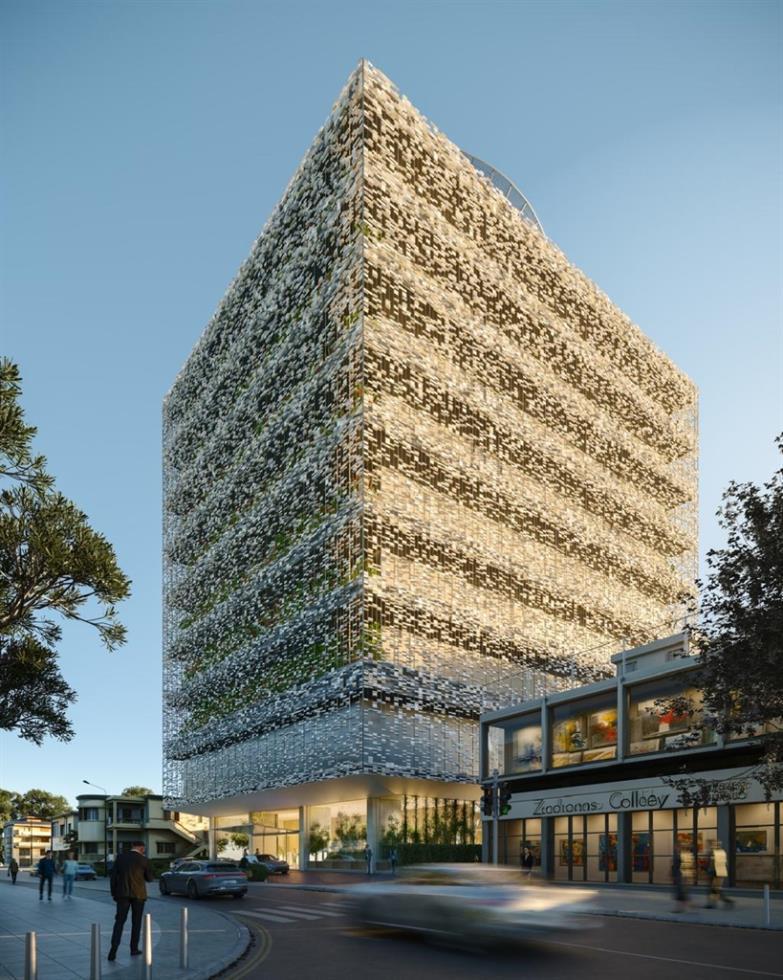
According to Soteriou, the hospital will have a capacity of approximately 80 beds and will include an emergency department, six operating theatres, an intensive care unit, a catheterisation laboratory, diagnostic centres and other supporting facilities.
The building will span 13 floors, four of which will be underground parking areas, while an additional parking facility for the public will be available 50 metres from the hospital.
Based on the design, he added, the building will be environmentally friendly and architecturally distinctive and innovative.
Asked about the cost of the investment, Soteriou said that although it has not yet been calculated precisely, it is expected to reach around €60–70 million.
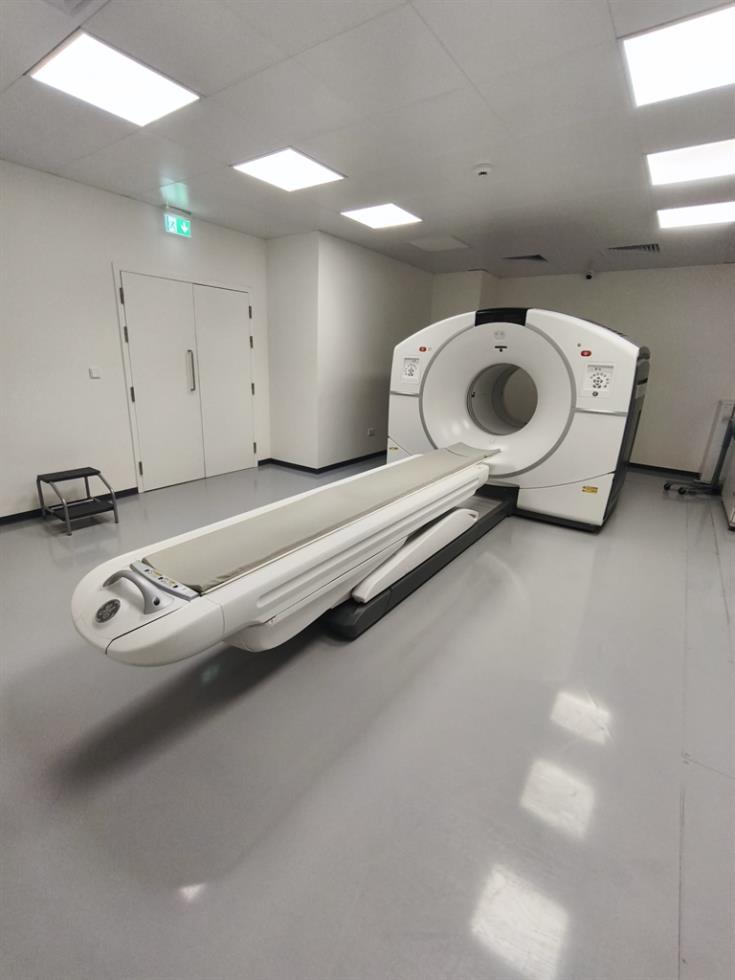
Specialised diagnostic centre
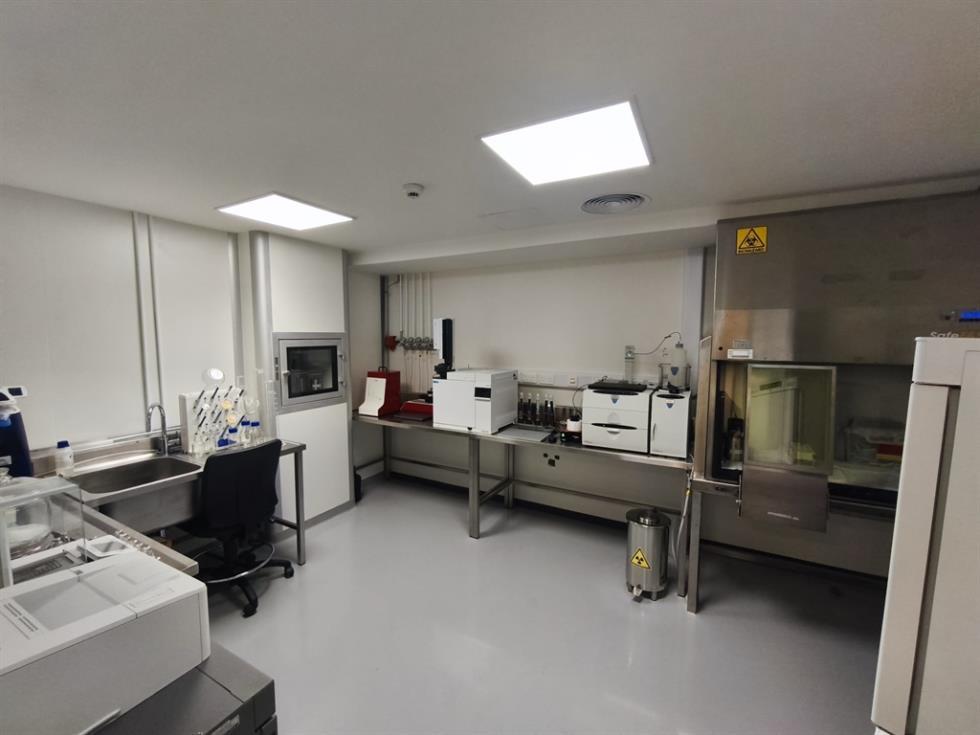
Regarding the specialised PET CT diagnostic centre, Soteriou told InBusinessNews that it combines nuclear physics with computed tomography.
As he explained, “a substance containing a very small amount of radioactivity (radioactive glucose) is administered to patients, which is not harmful to the body, and with the help of a specialised γ-camera (gamma camera) you can detect where there is increased glucose uptake.”
“The imaging from the gamma camera and the CT scan are combined into a single image, allowing you to accurately observe where this increased activity is occurring -whether in the liver, kidneys or any other part of the body,” he added.
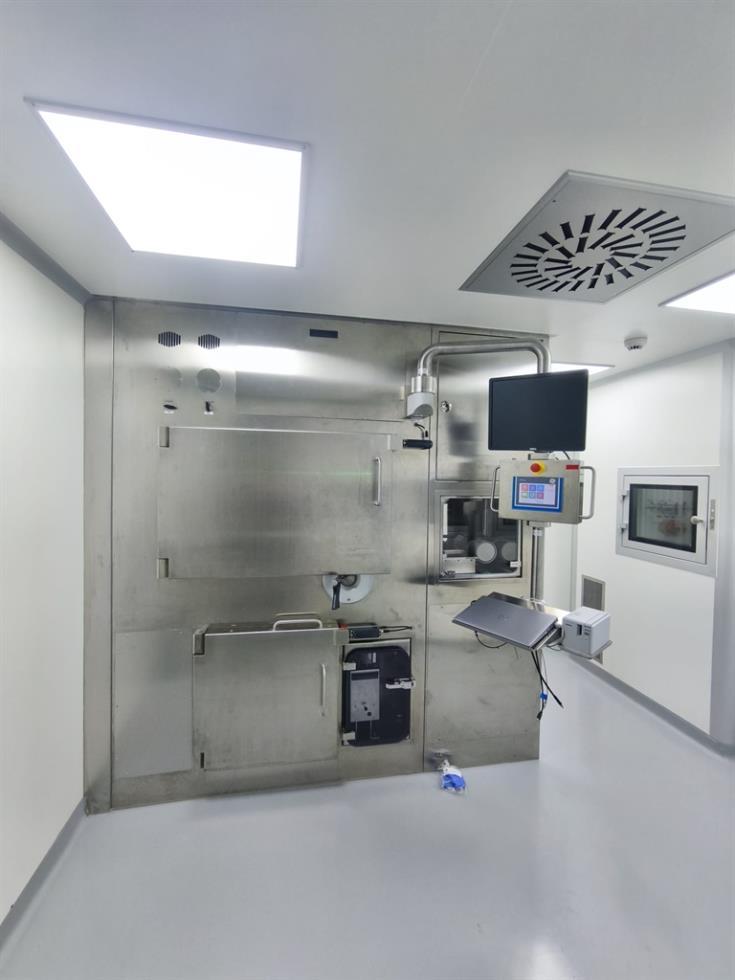
Responding to a related question, Mr Soteriou said that “this method is used for many different purposes. First and foremost, it can be used for diagnosing cancer and metastases. It can also be used to detect infections in the body, as well as neurological conditions -such as Alzheimer’s- and it is also used to assess tissue viability, especially in the myocardium.”
“Therefore, it is a method that holds great promise. Until now it has traditionally been used more for cancer, but its indications are gradually expanding, making it a very useful tool for both diagnosis and treatment,” he further explained.
As for the investment cost of the Centre, he stated that it amounted to around €7 million, noting that the Centre “is highly innovative and is the only one in Cyprus with these capabilities and capacities.”
(Source: InBusinessNews)