






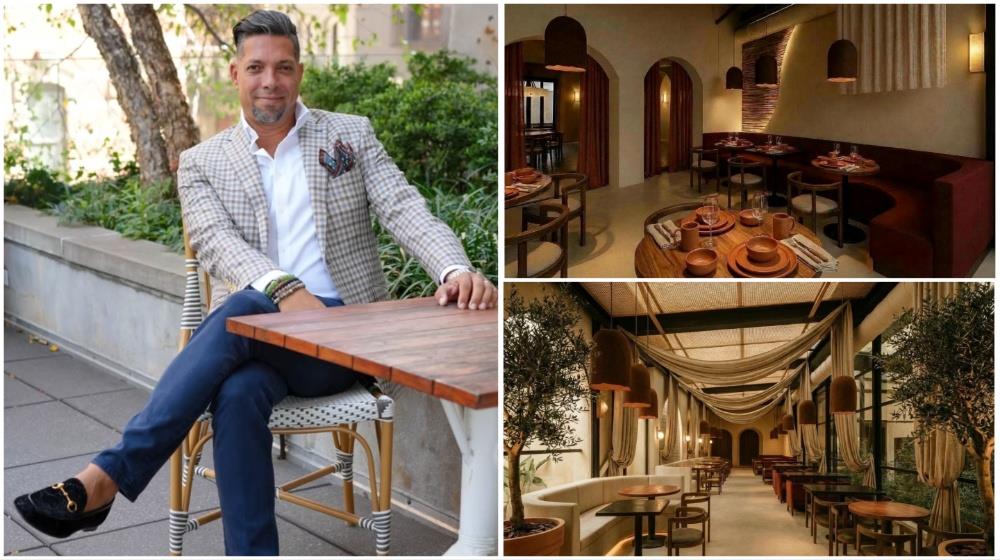
"Markets like New York are increasingly receptive to regional specificity, and there is room for Cypriot cuisine to be represented with confidence and seriousness on the international stage," Reno Christou, a Canadian-born, US-based restaurateur with Cypriot roots notes.
In an interview with CBN, Christou talks about his professional journey in the dining industry, including his most recent venture, Selene by Kyma, due to open in New York in the Spring.
Among other things, the proprietor also shares to what degree he has been influenced by his Cypriot roots and reveals whether the island and its cuisine have a role in his future business plans.
Born and raised in Montreal to parents from Cyprus, Reno Christou began his restaurant journey in 1988, working at his godfather’s local eatery at just 13 years old.
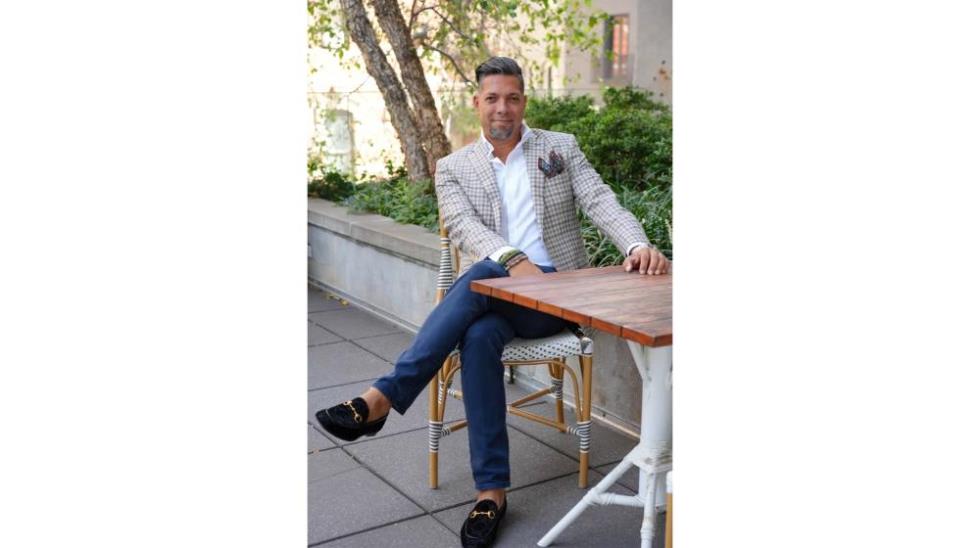
At 16, he joined the team at the celebrated Estiatorio Milos, where his passion for hospitality and Greek cuisine was ignited under the mentorship of renowned restaurateur Costas Spiliadis. Starting as a busboy, Christou quickly climbed the ranks to become floor supervisor and ultimately Assistant Manager — all while still in his early twenties.
When Milos expanded to New York City, Christou became a key part of the opening team and was soon entrusted with the dual roles of General Manager and Maitre D’, becoming the face of the restaurant and setting a new standard for heartfelt, guest-first hospitality in a city known for its high dining expectations. His motto: “Treat every guest as if they’re entering your home — if they’re hungry, feed them; if they’re cold, warm them; if they want something and you don’t have it, go get it.”
After 16 years with Milos, Christou went on to take leadership roles at several other acclaimed Greek restaurants, including Avra, Periyali, and Limani, eventually becoming Co-Founder of Kyma, where he was given full autonomy to craft the brand, develop the menu, and build a hospitality culture rooted in authenticity and warmth.
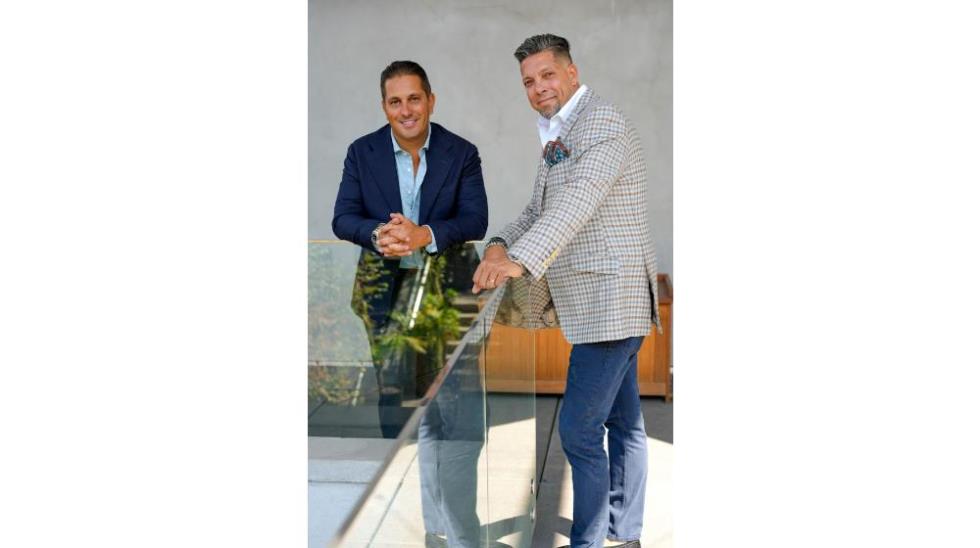
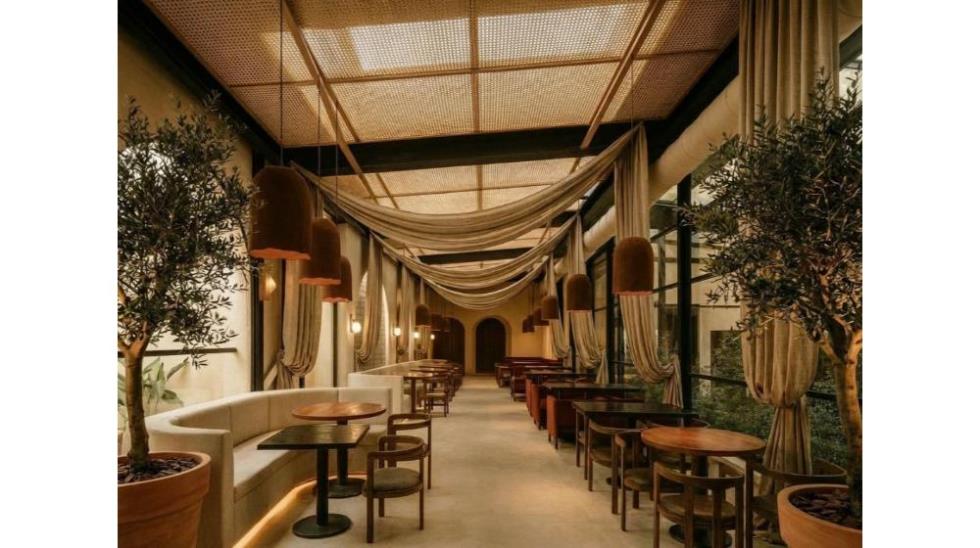
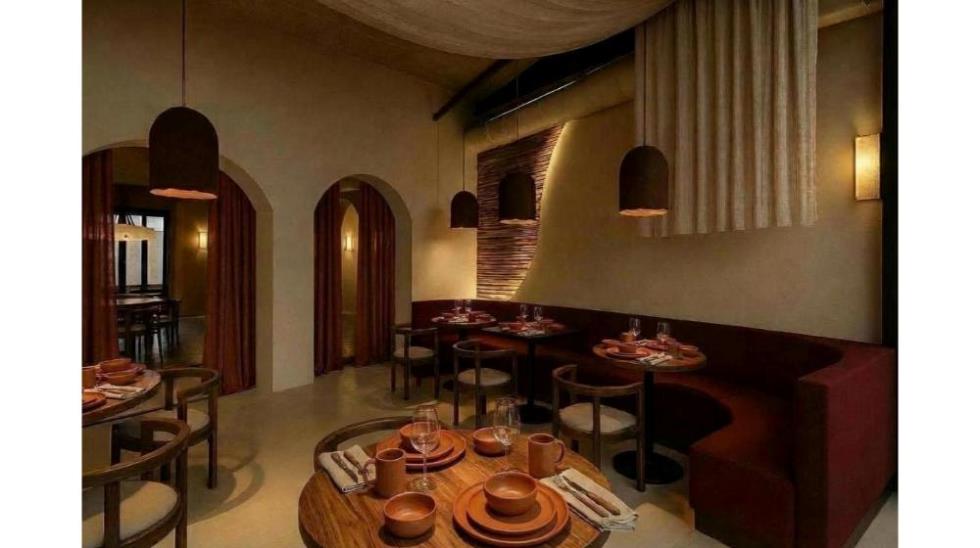
With his newest project, Selene by Kyma, due to open in New York's trendy Soho in the Spring, Christou and his partners bring decades of experience to Soho’s vibrant dining scene. Selene blends Greek island elegance with modern bohemian aesthetics — a concept shaped by Christou’s refined palate, eye for detail, and unwavering dedication to hospitality at its highest form.
How has the perception of Greek cuisine evolved since your early years?
When I began my career more than three decades ago, Greek cuisine in North America was largely defined by the neighbourhood taverna. It was generous and comforting, but often simplified, and access to truly authentic products was limited.Today, air cargo logistics allow us to serve fish from the Mediterranean within a day of being caught. Ingredients that were once impossible at scale, such as pristine seafood, early harvest olive oil, and regional cheeses, are now standard. That access reshaped expectations.
At the same time, diners in cities like New York have become deeply ingredient driven. Provenance and seasonality are no longer trends; they are requirements. When we opened Kyma, we embraced that philosophy through whole grilled fish, charcoal cooking, and restraint. With Selene, we extend it further. We no longer rely on visual symbolism to communicate authenticity. We express our Hellenic identity directly on the plate. Greek cuisine today is recognised as refined, Mediterranean, and globally relevant.
What was your original vision for Kyma, and how has it evolved?
Kyma was built to bring the spirit of the Greek islands to New York without compromising quality, but in a way that felt vibrant and accessible rather than formal. At the time, elevated Greek dining often meant white tablecloths and a highly structured experience. There was space for something equally serious about ingredients yet more energetic and celebratory. Kyma was created to fill that space. As the industry evolved and delivery platforms expanded, great food and service became baseline expectations. Restaurants had to offer what could not be delivered to a doorstep: emotion, atmosphere, and connection. Kyma evolved in response, balancing celebration with integrity. Selene represents the next chapter. It is more architectural and narrative driven, yet still grounded in product purity and hospitality.
What prepared you most for entrepreneurship?
I began working in restaurants at a young age. I started at Godfather’s Restaurant in Montreal at fourteen, and at fifteen I began my professional path at Milos. I went on to spend twenty five years working across leading Greek restaurants in Canada and the United States before launching Kyma in 2013. Those decades were my education. Operating at a high level, particularly in New York, teaches discipline quickly. You learn cost control, sourcing precision, team leadership, and how to uphold standards under constant pressure. Most importantly, I learned that brand integrity is fragile and must be protected relentlessly. The strongest operators shared one defining trait: an uncompromising pursuit of quality. Entrepreneurship demands both vision and resilience. Those years gave me the operational foundation and the stamina to build something of my own.
Was there a defining moment you realised you wanted to build your own brand?
There was no single defining moment. The realisation was gradual. Over time, I recognised how deeply I cared about every detail, from the olive oil bottle to the lighting and music level. When you feel responsible for every element of the guest experience, creative ownership becomes a natural progression. I learned from extraordinary mentors, and eventually it felt necessary to express those lessons through my own perspective. Building a brand is both liberating and humbling, but at a certain point you understand that your ideas deserve their own platform.
How has your Cypriot heritage influenced your approach?
My roots in Cyprus shaped my understanding of hospitality long before I entered the profession.I remember collecting eggs at my grandmother’s home, watching halloumi (traditional Cypriot cheese) being made by hand, and seeing my grandfather carefully harvest papoutsosika (prickly pears) from the cactus. Those experiences taught me that food is inseparable from land, labour, and patience. More profoundly, I learned what hospitality truly means. Guests were offered everything. They were not transactions; they were responsibilities. That ethos guides how I lead and how I host. Cyprus influences my approach through charcoal cooking, wild oregano, citrus, thyme honey, halloumi, and the communal ritual of souvla (large pieces of meat cooked on a long skewer over a charcoal barbecue). It is not an aesthetic reference. It is a structural influence.
How do you view Cypriot cuisine internationally?
Cypriot cuisine holds significant untapped potential. It carries a distinct culinary identity shaped by geography and layered history. Dishes such as souvla, sheftalia (traditional Cypriot sausage), kolokasi (taro root), tava (slow-cooked Cypriot casserole), koupepia (stffed vine leaves), and traditional halloumi reflect a cuisine that is rustic yet nuanced. Halloumi, for example, is globally recognised but often underappreciated in its craftsmanship and versatility. Markets like New York are increasingly receptive to regional specificity, and there is room for Cypriot cuisine to be represented with confidence and seriousness on the international stage. One day, I would welcome the opportunity to create a restaurant dedicated entirely to it as an homage to the generations who shaped it.
Are there specific memories that inspire you today?
Easter souvla remains vivid in my mind, with lamb turning slowly over charcoal and generations gathered around the fire. Yet we did not need a holiday for that ritual. Any day could become a roast day. I remember my mother preparing eliopita (olive pie), flaounes (pies traditionally made for Easter), sheftalies, makarounia tou fournou (pasta bake), and koulourakia (cookies). During Lent, we ate louvi (black-eyed peas) and faki (lentils), dishes I have come to value far more as an adult. What continues to inspire me is restraint. Those meals were simple and allowed the ingredients to speak for themselves. That philosophy remains central to everything I create.
Are you considering business ventures in Cyprus?
Cyprus will always be deeply personal to me. While my work is rooted in New York, the principles that guide me were formed around family tables, open fires, and kitchens filled with purpose. If I can contribute meaningfully, it is to represent Hellenic culture, and Cyprus specifically, with dignity, precision, and pride on an international stage. In that sense, every restaurant I build carries a part of where I come from.
(Images: Courtesy of Selene by Kyma and Courtesy of Theodore Kondylis & KNYC)