








The debate surrounding housing pressure among young people has moved beyond diagnosing the problem to seeking sustainable, scalable solutions.
Across many European markets — and increasingly in Cyprus — it is becoming clear that traditional housing development alone is no longer sufficient to meet demand, particularly for students and young professionals at the beginning of their financial independence.
Against this backdrop, the Build-to-Rent model is gaining momentum. Under this approach, homes are designed and developed from the outset specifically for long-term rental rather than immediate sale or short-term use. The model is already well established in mature markets such as the United Kingdom and the United States, where it is considered a key mechanism for increasing housing supply and supporting more stable rental markets.
In Cyprus, where the shortage of quality and modern housing remains one of the most pressing socioeconomic challenges, initiatives are beginning to emerge that move in this direction. Collaboration between PropTech companies and developers is among the most promising developments, creating a more predictable framework for investors while better aligning supply with real housing needs.
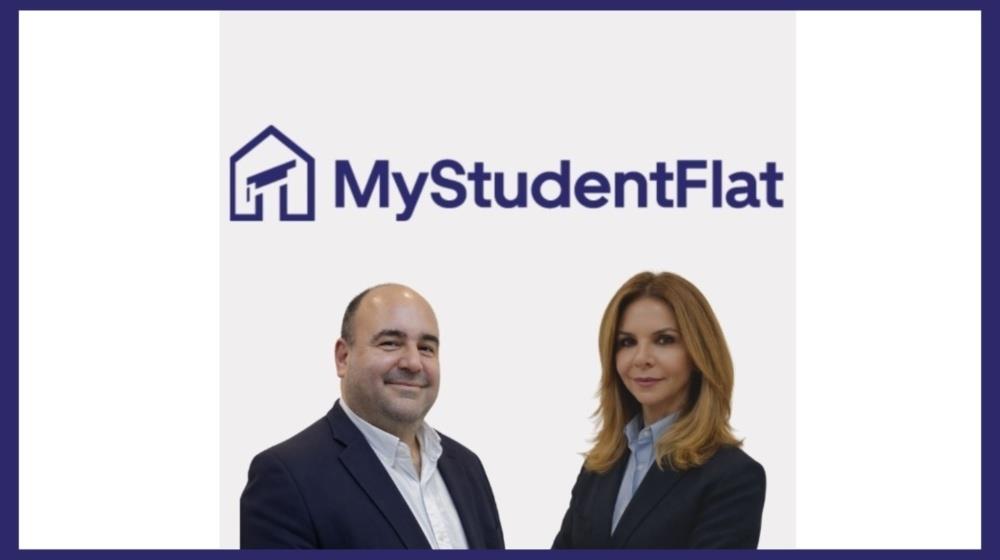
A clear example of this trend is the emergence of companies such as MyStudentFlat, which aim to act as a bridge between real estate development and actual housing demand. Through partnerships with developers building new or renovating existing apartments, property owners are offered the opportunity to secure long-term rental agreements with predictable returns. These homes are then directed into the long-term rental market, primarily serving students and young professionals.
As a start-up specializing in long-term rentals for students and young professionals, we are seeing strong and growing demand for high-quality apartments. Operating as both a professional tenant and property manager, supported by a robust digital infrastructure, the company leases newly built apartments in major cities across Cyprus for a minimum period of four years and makes them available to tenants seeking independence and a reliable living environment.
All apartments are fully furnished and equipped, reducing the cost and complexity of moving — a key consideration for both students and young professionals. The rental process is fully digital through MyStudentFlat’s platform, from search and selection to lease signing and payment. After moving in, tenants benefit from 24/7 support via the Tenant App and call centre, with optional services such as household equipment packages, weekly cleaning, and all-inclusive rent covering utilities, communal expenses, and internet.
The significance of such models extends beyond their investment dimension. At a time when a substantial share of housing stock is diverted to short-term rentals, the structured development of housing for long-term use can help rebalance the market. In practical terms, high-quality homes are added to the long-term rental supply that might otherwise be used for tourist accommodation, gradually expanding availability.
The need is particularly evident in the student housing sector. The growth of university programmes, the attraction of international students, and increased mobility among young people are creating stable and relatively inelastic demand for housing. Yet much of the existing housing stock remains outdated or unsuitable for modern living standards. Developing new, functional, and energy-efficient homes is increasingly becoming a social necessity.
At the same time, Build-to-Rent introduces something often missing in smaller markets: predictability. Investors gain clearer visibility on returns, developers can plan projects with defined targets, and tenants benefit from professionally managed homes and more stable lease conditions. In effect, a more mature rental ecosystem begins to take shape.
Of course, no private initiative alone can resolve the housing challenge. Increasing supply requires coordinated public policy, faster permitting processes, urban planning flexibility, and targeted incentives for developments that address genuine social needs. Nevertheless, the emergence of new business models demonstrates the market’s capacity to adapt and respond to structural pressures.
The key question is not whether Build-to-Rent will expand in Cyprus, but how quickly and at what scale. If adopted more broadly, it could become a significant driver of housing supply growth in the coming years, particularly for groups that currently struggle to access quality housing.
Ultimately, the housing challenge extends beyond real estate. It is fundamentally about the sustainability of cities and social cohesion. Expanding housing with a long-term perspective is not only a business decision — it is an investment in the stability and opportunity of the next generation.
By Elena Orfanidou & Dimitris Oikonomou, Co-Founders of MyStudentFlat
