





The Cronos gas development project is more than a gas project, demonstrating how regional cooperation can contribute to European energy security, Diego Portoghese, Eni's Head of North Africa and Levant region, said on Tuesday.
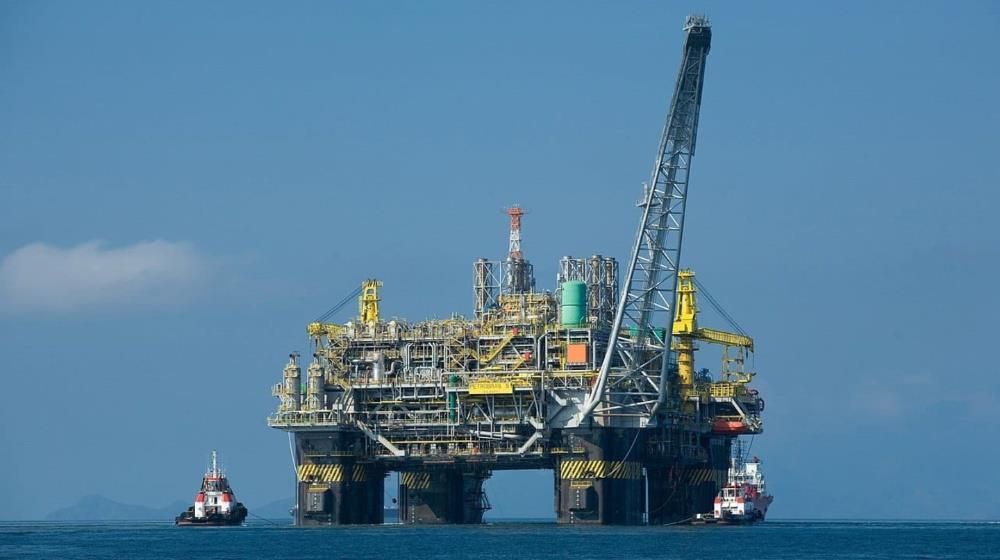
Speaking at an event in Nicosia, Portoghese said the project was expected to produce its first subsea gas from the Cronos field in Block 6 in the first half of 2028, marking a major milestone for both Eni and Cyprus, which would become a gas-producing country for the first time.
He said the development of Cronos, estimated to hold more than 3 trillion cubic feet (Tcf) of gas initially in place, was expected to reach a production plateau of up to 500 million standard cubic feet per day.
Under the planned development model, the gas will be transported to Egypt, processed at existing facilities linked to the Zohr field and liquefied at the Damietta LNG plant before being exported to international markets, primarily in Europe.
Portoghese said the recent approval of the Cronos Development Plan in May 2026, followed by the issuance of the exploitation licence and the award of the main engineering, procurement, construction and installation contract, had marked the transition from discovery to development and from potential resources to commercialisation.
He described Cronos as an example of a development model addressing several key challenges facing the energy sector.
"Instead of waiting for entirely new export facilities to be developed, Cronos leverages existing regional infrastructures, accelerating first gas, reducing investment, and improving project economic sustainability for all the stakeholders," he said.
He also stressed the importance of cooperation between Cyprus and Egypt, saying the project would not have been possible without the strong partnership between the two countries.
It demonstrated how neighbouring countries could create shared value by integrating resources, infrastructure and capabilities, he added.
On European energy security, Portoghese said Cronos would make new gas resources available at a time when Europe continued to seek diversified and reliable energy supplies.
The project, he noted, involved resources developed by European companies and directed primarily towards European markets, contributing to secure, affordable and lower-emission energy supplies.
Portoghese also underlined the project's significance for Cyprus, describing it as Eni's first deepwater development project in the country and an important step towards building capabilities for future developments.
Eni has been present in Cyprus since 2013, working with the authorities and partners towards transforming the country's natural resources into tangible value for Cyprus, the region and Europe, he said.
Referring more broadly to the Eastern Mediterranean, Portoghese said the region was increasingly demonstrating its strategic importance, not only because of its natural gas resources but also its potential to deliver solutions through cooperation and regional integration.
Cyprus, he said, was at the centre of these efforts, given its geographical position between the region and European markets.