




“Cyprus plays an important strategic role for PMI, with a significance that extends well beyond the size of its market,” Marco Hannappel, President, Europe Region, Philip Morris International (PMI) notes, adding that, ”Its distinct market dynamics, regional position and potential for further growth make it an important part of our European business and our long-term smoke-free ambitions.”
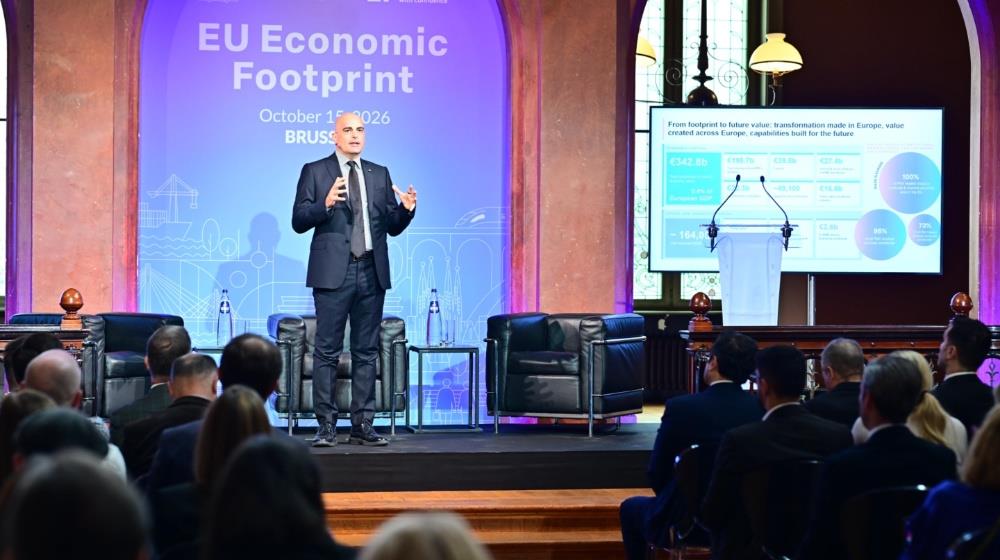
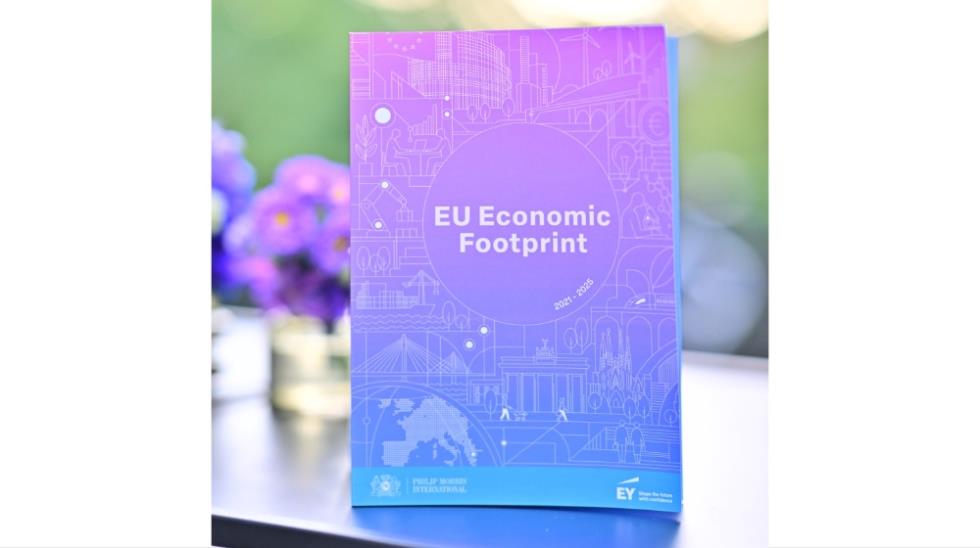
Hannappel spoke to CBN soon after PMI published the second edition of its EU Economic Footprint Study, prepared by EY-Parthenon, which reported that the company had made a nearly €343 billion total contribution to the EU economy between 2021 and 2025.
In his interview with the portal, Hannappel discussed Cyprus’ importance within PMI's European operations and revealed the company’s ambitions for the market.
Among other things, he also talked about the financial impact of illicit tobacco on the Cyprus market both for legitimate businesses and the state.
Hannappel, , also outlined his views on the future taxation and regulation of smoke-free products in Cyprus, noting that, “Protecting public health, supporting innovation and combating illicit trade are shared priorities.”
He also weighed in on how he believes PMI's European business will change over the coming five or ten years.
Cyprus has a relatively small market but a particularly complex trading environment because of its geographical position and the Green Line. How does that affect PMI's business and distribution operations? How important is Cyprus within PMI's European operations, and what are your ambitions for the market?
Cyprus plays an important strategic role within PMI's European operations, with a significance that extends well beyond the size of its market. Its distinct market dynamics, regional position and potential for further growth make it an important part of our European business and our long-term smoke-free ambitions. Cyprus also presents a unique trading environment within the European Union, given the Green Line and the specific arrangements governing the movement of goods between the government-controlled areas and those where the Government of the Republic of Cyprus does not exercise effective control.
These circumstances create particular challenges in tackling illicit trade, including the movement of tobacco and nicotine products that do not comply with tax and regulatory requirements of the Republic of Cyprus. This affects public revenues, creates unfair competition for legitimate businesses and reinforces the importance of effective enforcement. For PMI, it also underlines the need for a responsible and well-established distribution network, strong relationships with our retail partners and constructive cooperation with the competent authorities. Addressing illicit trade is essential to protecting the integrity of the legal market and ensuring a fair and transparent business environment.
At the same time, Cyprus is part of PMI's broader European transformation. Between 2021 and 2025, the company invested €27.4 billion across its European operations, reflecting its long-term commitment to the region and its continued focus on innovation and business development.
Over the past five years, Philip Morris Cyprus has significantly strengthened its presence in the local market investing in its people, commercial infrastructure and distribution capabilities. We have developed an extensive retail network, strengthened our local expertise and built a team recognised as a Great Place to Work® for four consecutive years. These investments provide a solid foundation for the next phase of our development in Cyprus.
Looking ahead, our ambition is to build on that foundation, continue investing in local talent and innovation, and accelerate the transition away from cigarettes among adult smokers who would otherwise continue to smoke. We see Cyprus as a market with long-term potential, where we can continue developing our business responsibly while contributing to the country's economic development.
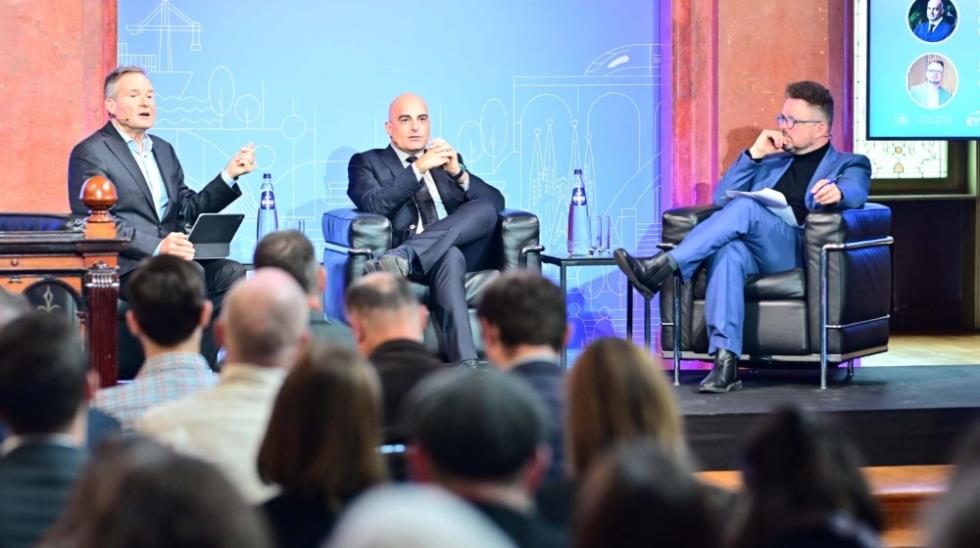
The financial impact of illicit tobacco on the Cyprus market affects more than legitimate businesses operating within the legal supply chain. The state loses both excise revenues and control over the quality of products on the market. Does PMI believe greater cooperation between government, enforcement agencies and the tobacco industry could improve the situation?
Absolutely. Tackling illicit tobacco trade requires a coordinated, long-term approach that combines effective enforcement, appropriate regulatory frameworks and meaningful cooperation between the public and private sectors.
The scale of the challenge in Cyprus is significant, particularly when viewed in a broader European context. According to the latest KPMG report, conducted on behalf of Philip Morris International, illicit cigarettes accounted for an estimated 16.3% of total cigarette consumption in Cyprus in 2025, compared with 14.3% in 2024. This represents approximately 160 million illicit cigarettes and an estimated €27 million in lost tax revenues to the Republic of Cyprus in 2025 alone.
Beyond the immediate financial implications, illicit trade undermines legitimate businesses, weakens market oversight and raises concerns about consumer protection.
While enforcement remains the responsibility of the competent authorities, the private sector can make a meaningful contribution through its expertise, technology and knowledge of supply chains. At PMI, we have invested in product authentication, supply chain security and traceability capabilities that can support investigations and help identify illicit trade patterns., We believe that stronger cooperation between the public and private sectors can contribute to more effective efforts to combat illicit trade, including the exchange of relevant information and technical expertise, within the appropriate legal framework.
Ultimately, tackling illicit trade is not only about recovering lost tax revenues.It is about protecting the integrity of the market, supporting legitimate economic activity and ensuring that public policy achieves its intended objectives. PMI remains committed to contributing constructively to these efforts, recognising that lasting progress requires effective enforcement, a predictable regulatory and fiscal environment, and sustained cooperation.
What would you like to see from the Cyprus government in terms of the future taxation and regulation of smoke-free products?
Protecting public health, supporting innovation and combating illicit trade are shared priorities. A clear, predictable and evidence-based regulatory framework can help advance these objectives, and we see constructive cooperation between the authorities and industry as an important part of that process.
Cyprus has already made positive progress. The unanimous parliamentary decision in March 2026 to establish a legislative framework for nicotine pouches under Cyprus’ tobacco and nicotine product legislation marked an important step towards greater regulatory clarity. As the framework continues to develop there is an opportunity to establish rules that reflect scientific evidence and the distinct characteristics of different product categories, while ensuring effective consumer protection. Preventing underage access has always been, and remains, a clear priority for us. On taxation, our position is that a proportionate, evidence-based approach is essential. Different categories of tobacco and nicotine products have distinct characteristics, which we believe should be reflected in an evidence-based and proportionate regulatory and fiscal framework. We believe that any fiscal policy framework should recognise these distinctions. At the same time, Cyprus faces particular challenges associated with illicit trade, including the movement of products from the occupied areas into the government-controlled areas of the Republic. It is therefore important to consider how taxation may affect price differences, consumer behaviour and the competitiveness of the legitimate market.
These considerations are particularly relevant to the ongoing revision of the EU Tobacco Taxation Directive. Cyprus has unique geographical and trading circumstances, which deserve appropriate consideration in the wider European discussions. Our shared objective should be a framework that supports public health, safeguards legitimate trade and contributes to combating illicit activity.
There is also a broader economic dimension. At a time when Europe is seeking to strengthen its competitiveness and encourage innovation, regulatory stability and predictability remain important for long-term investment.
Ultimately, our commitment is to contribute constructively to the policy dialogue, sharing our experience and expertise while respecting the role of the competent authorities in shaping Cyprus' regulatory and fiscal framework.
How do you respond to concerns that expanding the market for alternative nicotine products, such as nicotine pouches, could create new public-health challenges, particularly among younger people?
These concerns are entirely legitimate, and we take them very seriously. Our position is unequivocal: smoke-free products are not risk-free. They are intended exclusively for adults who would otherwise continue to smoke and must never be used by minors.The best choice for anyone's health is never to start using tobacco or nicotine products, or to quit altogether.
The regulatory treatment of nicotine pouches in Cyprus illustrates the importance of establishing a clear and effective framework that balances consumer protection with appropriate regulatory oversight. The unanimous parliamentary decision in March 2026 to establish a legislative framework for nicotine pouches under Cyprus' tobacco and nicotine product legislation was an important step towards greater regulatory clarity and the introduction of appropriate consumer safeguards.
For us, protecting minors must remain a central priority. This requires clear rules, effective enforcement and responsible practices across the supply chain. At PMI, we have invested in age-verification technologies, including AI-powered verification tools alongside measures designed to prevent underage access to our products.
. Looking ahead, we will continue investing in the retail and digital infrastructure that supports our smoke-free transformation, including the development of digital tools that strengthen age verification Equally important for us is the role of public-private partnerships in advancing innovation and addressing shared challenges, particularly in protecting minors by preventing their access to tobacco and nicotine products.
Ultimately, we believe that effective regulation, responsible industry practices and constructive cooperation with the competent authorities are essential to protecting consumers, particularly young people, and ensuring that tobacco and nicotine products are subject to appropriate oversight.
PMI says its transformation towards a smoke-free future is changing not only its products but also its investment, manufacturing and R&D footprint. How different will PMI's European business look five or ten years from now?
PMI's transformation in Europe is already well underway, extending far beyond our product portfolio.We are reshaping our industrial footprint, investing in new technologies, developing advanced manufacturing capabilities and building the skills required.
Europe is at the centre of this transformation and will remain central to our long-term strategy.
The scale of our commitment is significant. Since 2008, PMI has invested more than USD 16 billion globally in the development, scientific substantiation and commercialisation of smoke-free products. Between 2021 and 2025 alone, we invested €27.4 billion across our European operations and spent €22.3 billion with European suppliers. But our contribution goes beyond investment: approximately 164,000 jobs were supported in the EU in 2025, including nearly 22,500 direct jobs, as well as jobs across suppliers and the wider economy. Over the 2021–2025 period, we also worked with more than 49,000 European suppliers, many of them SMEs. Our commitment to innovation is equally substantial, with €422 million invested in R&D across the EU and approximately €2.2 billion in R&D activities in Switzerland over the same period. Europe has become a major manufacturing and innovation hub for our smoke-free products.
The results of this transformation are already evident in the changing composition of our European business: In the fourth quarter of 2025, smoke-free products accounted for more than half of PMI's net revenues in Europe, marking a significant shift in our business model and reinforcing the direction of our long-term strategy.
Looking five or ten years ahead, I see a European business increasingly driven by smoke-free products, advanced manufacturing, scientific research and highly skilled talent, with cigarettes representing a progressively smaller share of our portfolio. Our ambition is to continue accelerating this transition while strengthening the industrial and technological capabilities that will sustain our growth.
This also connects to a much wider European priority: competitiveness. At a time when Europe is seeking to strengthen its industrial base, attract investment and reinforce its position in global innovation, companies undergoing large-scale transformation have an important contribution to make. PMI's experience demonstrates what sustained investment, technological progress and long-term commitment can achieve. Our ambition is to build on this momentum, continuing to transform our business while contributing to Europe's industrial competitiveness, innovation and long-term economic growth