


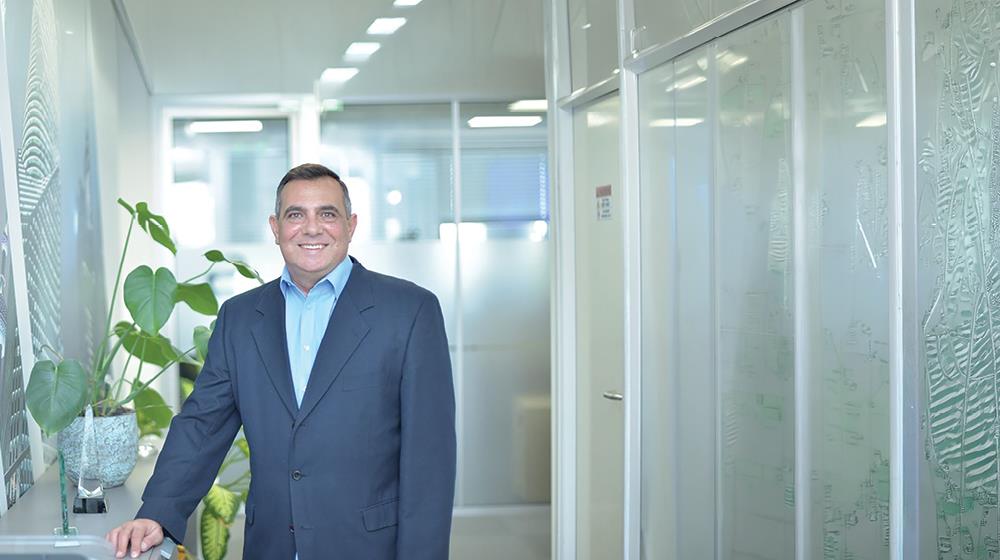
"The competition for technology talent is global. Cyprus has strong people and a growing technology ecosystem, but we need to continuously invest in developing the skills of tomorrow," Yiannis Tinis, Head of Amdocs Cyprus suggests.
In a recent interview with GOLD magazine, he goes on to add, "That means strengthening STEM education, lifelong learning and closer collaboration between universities and industry. It also means remaining open to international talent. The strongest technology hubs combine home-grown talent with people who bring different experiences and perspectives."
Tinis, among other things, also reflects on Limassol’s remarkable progress and shares his perspective on the opportunities ahead – from strengthening collaboration, skills and talent to embracing AI and creating an environment in which people and technology companies can thrive.
Amdocs established its Limassol operations in 1997, long before the city emerged as the international technology and business hub that it is today. What made Limassol the right choice for you almost 30 years ago and what makes it strategically important to Amdocs today?
When Amdocs came to Limassol in 1997, the city already had many of the qualities that matter to a technology company: talented people, an international outlook and a strong business environment. What has changed is the scale and ambition of the ecosystem around us. Almost 30 years later, Limassol is an important part of Amdocs’ global technology footprint. Our local teams are connected to a global organisation serving some of the world’s leading communications and media companies, while bringing local expertise and talent into that global ecosystem.
How would you assess the city as a technology and innovation hub? What does it need to do to compete more effectively with established European tech centres?
Limassol has made remarkable progress. It has become an international business and technology destination but I believe that its next opportunity is to move from being a place where technology companies operate to becoming an ecosystem that actively creates technology and innovation. That means deeper collaboration between industry and academia, continued investment in infrastructure and skills, and an environment that makes it easier to attract international talent and investment.
On the subject of talent, what needs to change if Cyprus wishes to develop its own pool of skilled professionals?
The competition for technology talent is global. Cyprus has strong people and a growing technology ecosystem, but we need to continuously invest in developing the skills of tomorrow. That means strengthening STEM education, lifelong learning and closer collaboration between universities and industry. It also means remaining open to international talent. The strongest technology hubs combine home-grown talent with people who bring different experiences and perspectives.
As Amdocs moves deeper into the GenAI and ‘agentic’ era, what role can its Limassol operation play in that transformation?
AI is not simply another technology shift. It is changing how companies operate and how work gets done. At Amdocs, we are moving from GenAI experimentation towards an agentic model, where AI agents can orchestrate and execute increasingly complex business and network workflows. Our Limassol teams are part of that global transformation, bringing engineering expertise and local talent to Amdocs’ broader AI journey. The skills landscape will change too. Technical expertise will remain critical but AI literacy, creativity, business understanding and the ability to collaborate with intelligent systems will become equally important.
What is the change that you would like to see in Limassol?
I would like Limassol to continue investing in the quality of life that makes people want to live and build their careers here, alongside the infrastructure and business environment that enables companies to grow. For me, a successful technology hub is ultimately about people. If we create a city where talented people can build both successful careers and fulfilling lives, the companies and the ecosystem will follow.
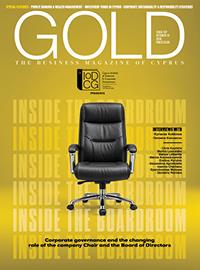
This interview first appeared in the September edition of GOLD magazine. Click here to view it.