







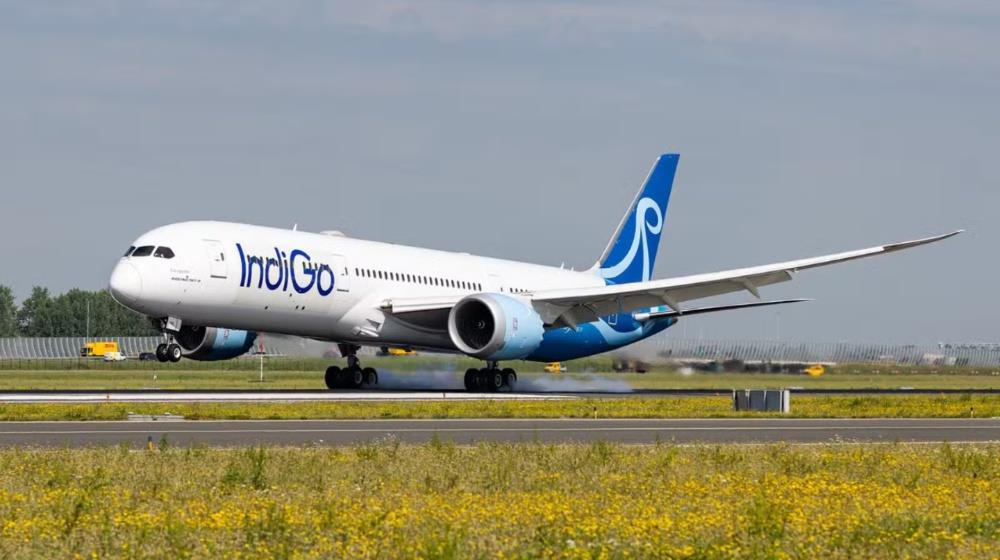
IndiGo unveiled an ambitious expansion plan that aims to change the landscape of aviation during its 2026 update. The airline plans to increase its fleet to more than 550 aircraft, carry 200 million passengers annually and increase the proportion of international flights to 40% of its total business by fiscal year 2030.
IndiGo 's transition from an airline that dominates India's domestic flights to a player with a strong presence in international markets.
International expansion with new aircraft
IndiGo 's growth has been based mainly on domestic flights, but the ever-increasing demand from Indians for travel abroad is leading the company to a new strategy.
The investment plan foresees the utilization of two new types of Airbus aircraft :
- Airbus A 321 XLR : It will be used to develop new long-haul international routes with lower operating costs.
- Airbus A 350-900: With first deliveries starting in 2027. IndiGo has already ordered 60 aircraft of this type, with a capacity of over 330 passengers.
With the new widebody aircraft, the company plans to significantly strengthen India's direct connections with European cities, such as London, Paris and Frankfurt, as well as other international destinations.
The dimensions of the plan until 2030
IndiGo 's key objectives include:
- Fleet: from 441 to more than 550 aircraft (+25%).
- Annual passenger traffic: from 123 million to 200 million passengers (+63%).
- Daily flights: from about 2,200 to 3,000-4,000.
- Capacity for international flights: from about 25% today to almost 40% by 2030.
The implementation of the plan requires the timely delivery of new aircraft, sufficient available slots at airports, personnel training and stability in the aviation industry supply chain.
New data for international flights
The strengthening of the fleet is expected to increase competition on international routes, particularly to Europe, where traditional airlines and Gulf carriers currently dominate.
At the same time, more direct flights are expected to reduce the need for intermediate stops at major hubs in the Middle East, reducing both overall travel time and costs for passengers.
The greater availability of seats is expected to further boost both outbound tourism from India and demand for travel to European and Asian destinations.
The challenges
Despite the highly optimistic outlook, the company acknowledges that significant challenges exist.
Delays in deliveries of new aircraft, constraints on engine production, fluctuations in fuel prices and increasing pressure on Indian airport infrastructure may affect the project's schedule.
However, IndiGo appears optimistic, estimating that the ever-increasing demand for international travel from India will continue to support its growth path.
If the investment plan is implemented as planned, IndiGo is expected to significantly strengthen its position in the global aviation market, while contributing to India's emergence as one of the most important aviation hubs internationally.
(Source: Nomadlawyer)
This article first appeared, in Greek, in Hermes Airports' online newsletter, Flight Mode. Click here to view it.
