







A study entitled 'Development of a strategy aiming at the product development of Diving Tourism in Cyprus,' and prepared by the Cyprus Marine and Maritime Institute (CMMI) for the Deputy Ministry of Tourism has found that Cyprus has considerable potential to develop diving tourism into a much stronger, higher-value tourism product, but the sector is currently underdeveloped and insufficiently coordinated, regulated and promoted.
In line with the study's findings, Cyprus has an established diving industry and excellent natural assets, but a lack of data, infrastructure, regulation and promotion is preventing it from reaching its economic potential.
The substantial 439-page study identifies diving tourism as a potentially valuable sector because divers tend to spend more than average tourists and can visit destinations specifically for diving. It encompasses not only SCUBA diving but also freediving and snorkelling.
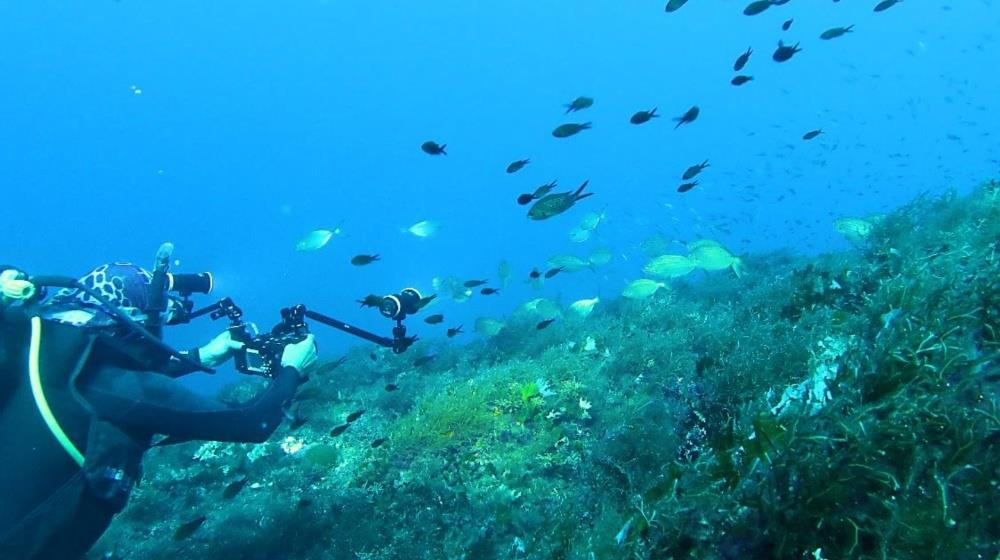
The researchers believe Cyprus has many of the natural advantages necessary to compete internationally: clear, warm waters, a variety of dive sites, wrecks, reefs, marine life, underwater archaeological attractions, relatively short distances between sites, and a large conventional tourism industry that can be combined with diving.
However, these advantages are not being exploited sufficiently.
Also, from a business/economic perspective, diving could be presented as a higher-value, season-extending tourism niche, rather than simply another recreational activity. The report explicitly notes that diving tourists tend to spend more than the average tourist and that Cyprus currently cannot quantify the sector's contribution because dedicated data are not collected.
The current diving sector
The study identified 86 dive centres in the Republic of Cyprus: 37 in the district of free Famagusta, 15 in the district of Limassol, 14 in the district of Larnaca, 13 in the district of Paphos and seven in the district of Nicosia.
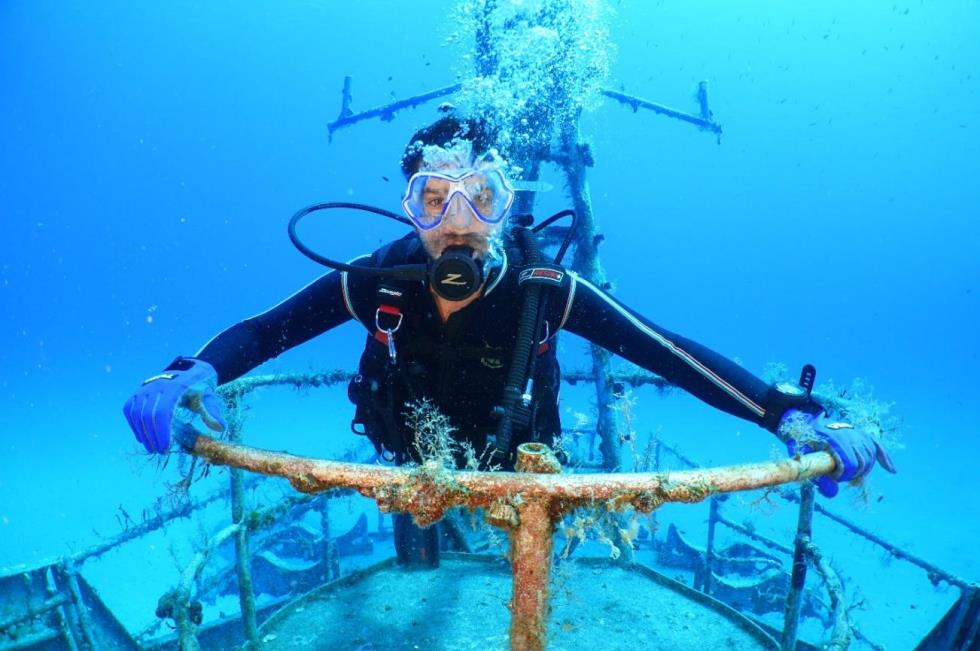
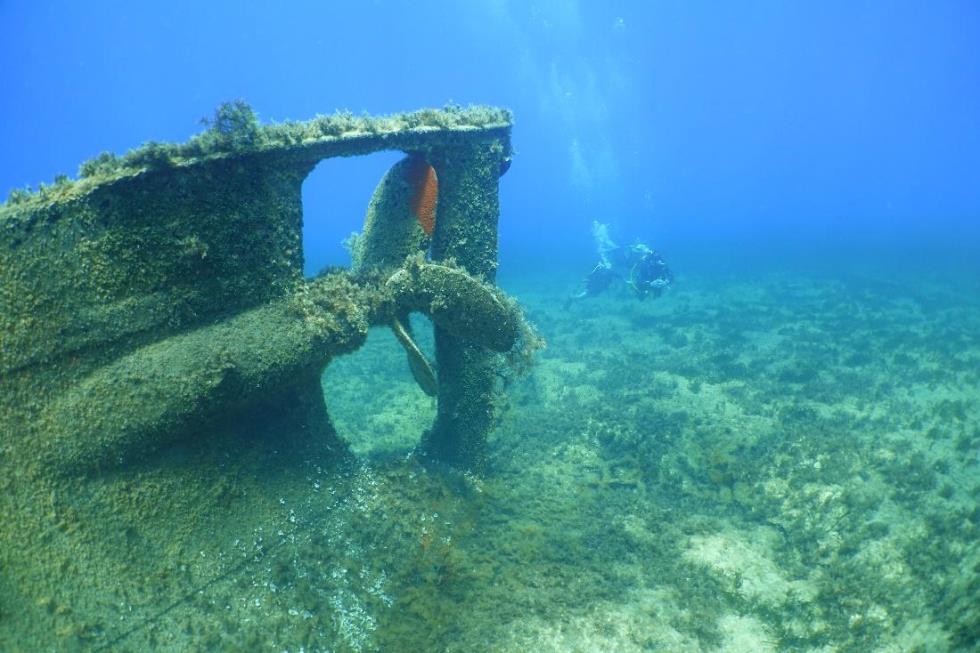
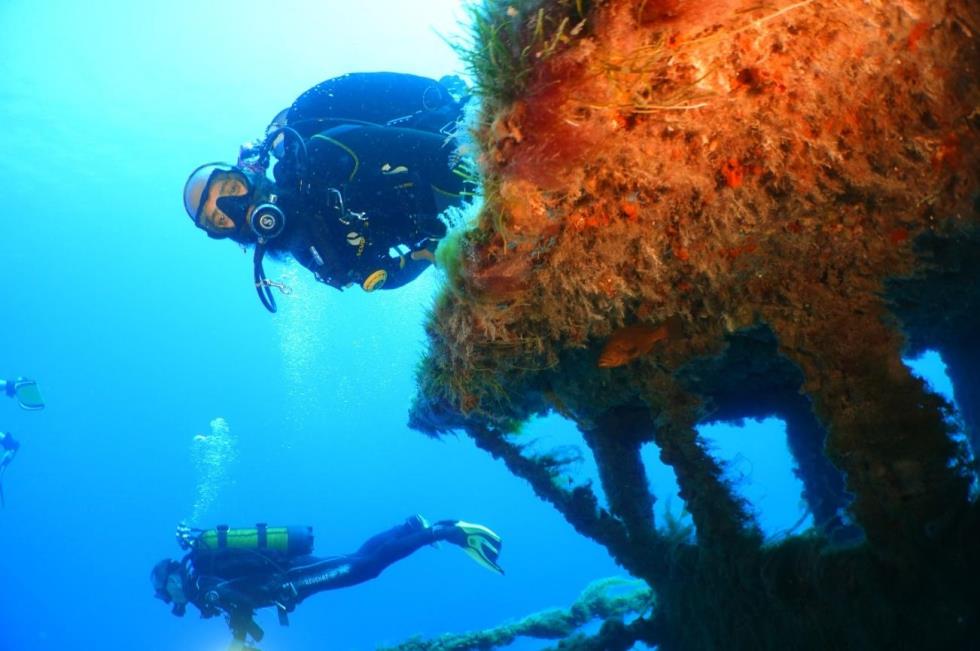
It also identified approximately 69 dive sites, although another section of the study identifies 68 known sites during the initial mapping. Of the 69 sites, 45 are primarily boat dives and 24 shore dives while 17 shipwrecks were identified, seven accidental and ten deliberately deployed. There are also artificial reef parks around the island.
According to the study, one siginificant problem is that there is no reliable statistical picture of the size of the diving-tourism market. Cyprus does not currently record diving tourists separately, meaning that the economic contribution of the sector cannot be accurately calculated. Furthermore, only 34 of the 86 dive centres were represented through the Cyprus Dive Centre Association, while fewer than half responded to the study's questionnaires.
This is significant because the government cannot easily measure the sector's economic performance or its growth.
Why Cyprus is well suited to diving tourism
The study is quite positive about Cyprus's natural assets.
As noted in the study, Cyprus has:
-
exceptionally clear water;
-
relatively warm sea temperatures;
-
good visibility;
-
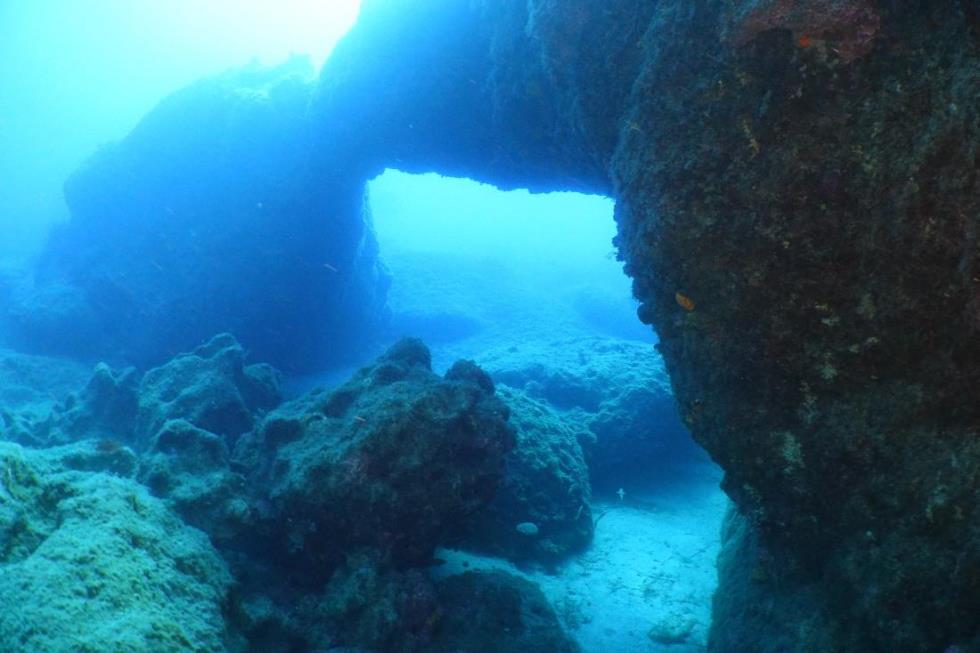
rocky reefs, caves, walls and arches;
-
Posidonia oceanica meadows;
-
natural and artificial reefs;
-
numerous species of fish and invertebrates;
-
turtles and dolphins;
-
the Mediterranean monk seal;
-
numerous shipwrecks;
-
underwater archaeological sites.
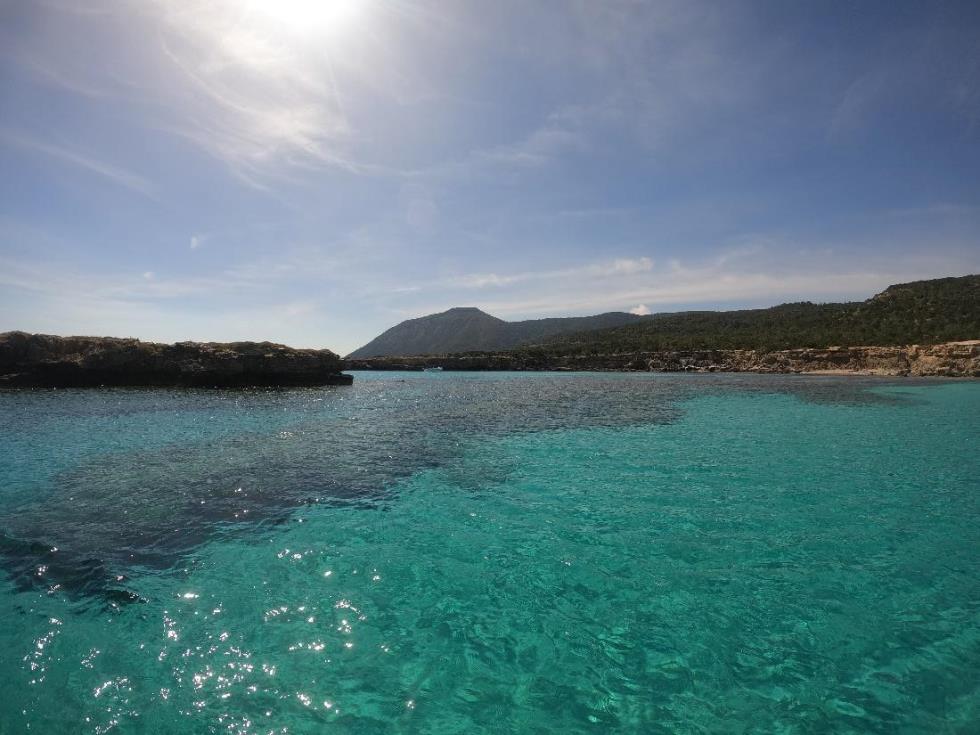
The study describes the waters around Cyprus as particularly suitable for diving because of their high visibility, low turbidity and average annual water temperature of approximately 20°C.
The principal diving-related habitats — sea caves, Posidonia meadows and reefs — are assessed as having favourable conservation status.
Cyprus also has 11 marine protected areas, including Natura 2000 areas and areas incorporating artificial reefs. These protected areas can themselves become important diving attractions because they contain particularly rich biodiversity.
The big attraction: Cyprus can offer more than the Zenobia
One of the study's important implications is that Cyprus should not market itself simply as the destination of the Zenobia wreck off the coast of Larnaca.
The island has a much broader product, including:
-
wreck diving;
-
reef diving;
-
cave diving;
-
shore diving;
-
boat diving;
-
freediving;
-
snorkelling;
-
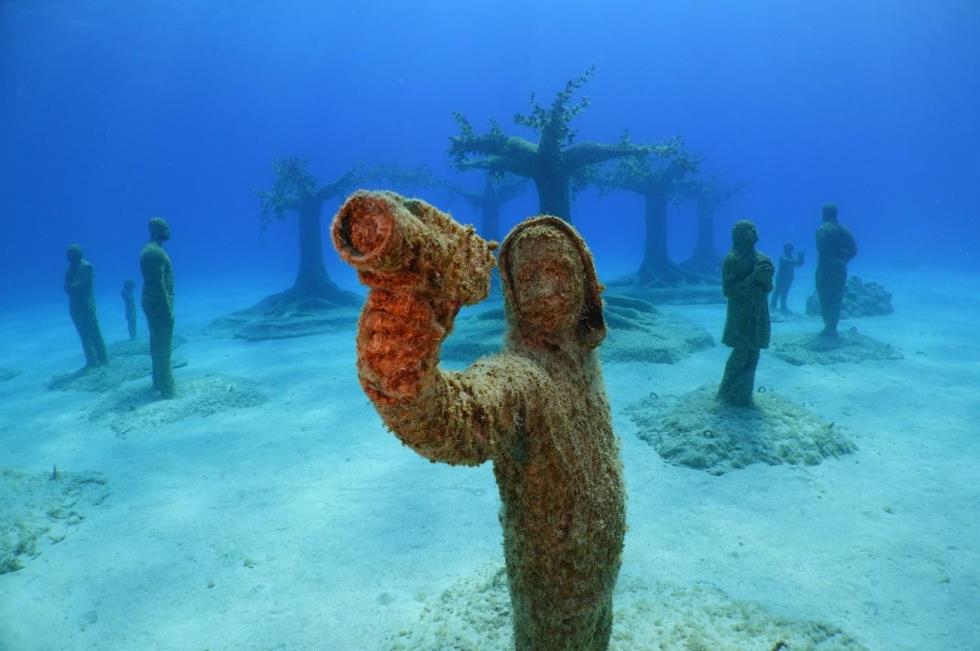
underwater sculpture;
-
artificial reefs;
-
marine wildlife;
-
underwater archaeology.
The researchers specifically envisage themed diving itineraries involving reefs, wrecks and caves, as well as archaeological, artistic and artificial-reef experiences.
This could allow Cyprus to create a much more sophisticated diving product rather than relying on individual famous sites.
Cyprus' major weaknesses
The study identifies several recurring weaknesses.
Infrastructure
Many dive sites lack basic facilities such as:
-
proper access roads;
-
parking;
-
footpaths;
-
ladders and handrails;
-
changing facilities;
-
toilets;
-
shaded areas;
-
kitting-up facilities;
-
signage;
-
suitable entry and exit points;
-
marker buoys and moorings.
Some sites are difficult to reach even by vehicle, while accessibility for people with disabilities is particularly limited.
This is one of the clearest messages of the study: having a good underwater site is not enough if getting to and into the water is difficult.
Regulation
The study also says Cyprus's existing legislative framework specifically addressing diving, dive centres, diving tourism and dive sites is limited. A new regulatory framework was being prepared to establish operational standards based on ISO 24803:2017.
The researchers recommend a national licensing system for dive centres and instructors and a body responsible for regulating and monitoring the sector.
Safety
Stakeholders generally regard diving standards as reasonably good, but the study identifies significant gaps in:
-
legislation;
-
enforcement;
-
national safety standards;
-
emergency response;
-
first aid;
-
medical facilities/hyperbaric chambers;
-
awareness among other boat users;
-
information about dive sites.
Lack of coordination is a major problem
This is perhaps one of the study's most important institutional findings.
The researchers found that different stakeholders sometimes did not even have the same information about the sector.
The study recommends creating a formal management plan in which every relevant stakeholder has clearly defined responsibilities. It also recommends avoiding fragmentation between different public authorities when it comes to enforcement and monitoring.
In other words, the problem is not simply "Cyprus needs more diving facilities". It is also a governance and coordination problem.
Promotion is inadequate
The study is particularly critical of the way Cyprus currently markets diving.
It found a general consensus among stakeholders that advertising and promotion are insufficient, with disproportionate attention given to the Zenobia and certain Famagusta sites.
Hotels and travel agencies also do not appear to promote diving adequately, while many stakeholders themselves are insufficiently aware of the sector's potential.
The report therefore recommends:
-
greater social-media presence;
-
participation in international diving exhibitions;
-
underwater photography competitions;
-
freediving competitions;
-
educational events;
-
seabed clean-ups;
-
VR/immersive experiences;
-
improved websites;
-
stronger cooperation with hotels and travel agencies.
It also recommends positioning Cyprus as a family-friendly destination, where divers can combine diving with cultural, archaeological and other leisure activities for non-diving family members.
Seasonality is a missed opportunity
The study considers Cyprus's climate a major competitive advantage.
Sea temperatures range approximately from 17°C in winter to 28°C in summer, and the report considers diving feasible throughout the year. June to October provides particularly favourable conditions, although the wider April-November period can also be suitable.
The problem is that Cyprus does not currently exploit this potential sufficiently.
Many coastal hotels close during the winter, while air connectivity is weaker outside the main tourist season. Consequently, the sector remains more seasonal than its natural conditions warrant.
The report therefore sees diving as one possible tool for extending Cyprus's tourism season.
Environmental sustainability is crucial
The study does not argue for simply increasing the number of divers at any cost.
It stresses that diving tourism can actually help environmental conservation by making people more aware of marine ecosystems. However, poorly managed diving can damage reefs, disturb marine life and contribute to other environmental pressures.
Particular concerns include:
-
anchoring on sensitive seabeds;
-
boat traffic;
-
over-visitation of popular sites;
-
touching or damaging marine organisms;
-
marine litter;
-
illegal fishing;
-
disturbance of protected species;
-
invasive species.
The report recommends restricting anchoring at sensitive sites, installing fixed moorings, controlling boat traffic and using CCTV, sonar and other technology to monitor protected areas.
Wildlife is an asset — but needs careful management
Cyprus's turtles, dolphins and monk seals are potentially valuable tourism assets.
But the study gives a particularly interesting warning about Green Bay and turtles. Promoting turtle encounters can attract large numbers of visitors, while feeding turtles and allowing boats to approach them can cause injuries and behavioural changes. The report considers such practices both an environmental and a reputational risk for Cyprus.
So the underlying philosophy is: Use Cyprus's marine biodiversity to attract visitors, but manage encounters so that tourism protects rather than damages the resource.
Underwater archaeology is another major opportunity
Cyprus has an exceptionally long maritime history and numerous underwater archaeological resources.
The study believes these can contribute to diving tourism, but there is a regulatory issue: Cyprus has not ratified the 2001 UNESCO Convention on Underwater Cultural Heritage, although amendments to Cyprus's Antiquities Law have incorporated some of its principles.
The researchers see underwater archaeological sites and wrecks as potentially valuable tourism products, but they must be managed carefully to prevent damage and looting.
What Cyprus can learn from Malta, Greece and Egypt
The study compares Cyprus principally with Malta, Greece and Egypt.
Malta
Malta is probably the most relevant example for Cyprus.
The study highlights Malta's investment in:
-
access to dive sites;
-
roads;
-
parking;
-
toilets and changing facilities;
-
water-entry infrastructure;
-
promotional campaigns;
-
management planning.
The report sees Malta as an example of how a relatively small Mediterranean island can turn diving into a recognised tourism product.
Greece
Greece demonstrates the potential of combining diving with underwater cultural heritage and archaeological wrecks. The opening of more wrecks to recreational divers has helped develop the market, although certain sites require specialised-diver supervision.
Egypt
Egypt demonstrates the power of a strongly branded diving destination, particularly through its Red Sea wrecks, reefs and marine life. It also succeeds in attracting diving tourists outside the main European summer season.
The proposed strategy
The recommendations are grouped around several major priorities:
1. Improve infrastructure
Install ladders, handrails, changing facilities, toilets, shade, bins, better access roads, signage, marker buoys, moorings and other facilities.
2. Establish proper regulation
Create a responsible authority, introduce national licensing for dive centres and instructors and require compliance with ISO 24803:2017.
3. Improve monitoring
Monitor dive centres, instructors, dive sites and marine protected areas, while collecting proper statistics on the number of divers and their economic contribution.
4. Improve safety
Strengthen emergency procedures, medical provision, first-aid arrangements and awareness among boat users.
5. Make the sector environmentally sustainable
Control anchoring and boat traffic, protect marine habitats, educate divers and monitor protected areas.
6. Develop new products
The study suggests multi-day diving itineraries, thematic diving, family packages, adventure packages and even underwater wedding proposals and ceremonies.
7. Create a dedicated digital platform
This is a particularly ambitious recommendation.
The proposed website/app would include:
-
interactive dive-site descriptions;
-
photographs and videos;
-
3D models;
-
marine-life information;
-
weather and sea conditions;
-
infrastructure information;
-
certified dive centres;
-
a dive-site traffic tracker;
-
environmental education;
-
feedback and reporting functions;
-
social-media integration;
-
information for non-diving companions.
8. Promote Cyprus internationally
Attend international diving exhibitions, strengthen social media, organise competitions and events, and integrate diving into the wider Cyprus tourism brand.
The study's proposed timetable
Importantly, this is not just a list of ideas. The report proposes an implementation action plan, assigning actions to particular authorities and categorising them according to priority:
-
High priority: less than 2 years
-
Medium priority: 2–5 years
-
Low priority: 5–8 years.
The proposed responsibilities are spread between the Deputy Ministry of Tourism, municipalities, the Department of Fisheries and Marine Research, Marine Police and Port Authorities.
You can view the full study here.
