








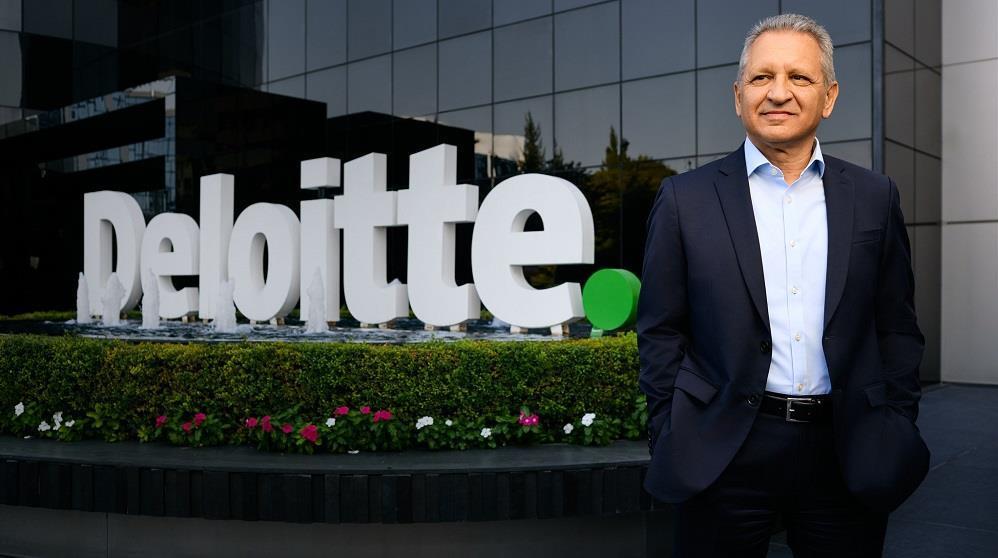
The unstable international environment, combined with pressures recorded both locally and internationally, has affected our economy on multiple fronts, states the CEO of Deloitte Cyprus, Pieris Markou, in an interview with InBusinessNews and CBN. At the same time, he notes that “despite these pressures, Cyprus has managed to continue strengthening its role as a regional pillar of stability, reliability, and institutional security.”
In the professional services sector, as he notes, “the first half of the year was encouraging and largely confirmed our expectations, with some areas showing even greater momentum than initially anticipated.”
The unstable international environment, combined with pressures recorded both locally and internationally, has affected our economy on multiple fronts.
How do you assess the course of the Cypriot economy? Which developments stood out positively or negatively, and to what extent were your forecasts at the beginning of the year confirmed or overturned?
The first half of 2026 was yet another period of geopolitical and economic challenges for our region, with our country once again called upon to demonstrate its resilience and adaptability. The unstable international environment, combined with pressures both locally and globally, affected our economy on multiple fronts.
Despite a positive start with a high growth rate (3.0%) in the first quarter, overall annual forecasts have been revised downward by the Central Bank of Cyprus, though they remain positive at 2.5%. This revision mainly reflects the negative impact of reduced exports of services and, to some extent, a decline in tourism in previous months, although signs of recovery are already emerging. At the same time, traditional sectors such as shipping, as well as emerging sectors such as technology, information technology, and professional services, continue to support the country’s growth momentum.
The energy crisis and increased international oil prices have created inflationary pressures that are already affecting the domestic economy, especially households, reducing disposable income and increasing the cost of living. Inflation is expected to reach 3.6% for the year, as confirmed by the latest preliminary Eurostat data, with Cyprus’ monthly inflation rate significantly above the EU average (2.8%), despite being among the countries with the lowest inflation at the start of the year.
On the other hand, the labour market continues to operate close to full employment conditions. However, shortages of specialised personnel remain significant in several sectors, including construction, limiting further growth potential.
Despite these pressures, Cyprus has managed to continue strengthening its role as a regional pillar of stability, reliability, and institutional security. For many international companies and investors, the country functions as a “safe European haven” for maintaining physical and legal presence in the broader region without exposure to direct conflict risks. This dynamic has strengthened Cyprus’ profile as a stable international business centre and helped absorb part of the external pressures caused by regional instability.
In the professional services sector, the first half of the year was encouraging and largely met expectations, with some areas exceeding initial projections.
To what extent have geopolitical developments, particularly the crisis in the Middle East, affected your sector? Have they created more risks, shifts, or even new opportunities?
The crisis in the Middle East, due to Cyprus’ close geographical proximity to the region, inevitably raises concerns. The impact extends beyond the narrow business environment, affecting overall confidence and leading many investors and organisations to adopt a more cautious, “wait-and-see” approach regarding high-risk strategic decisions.
In the professional services sector, the first half of the year was encouraging and largely confirmed expectations, with some areas showing even stronger momentum than initially anticipated. We observed a significant increase in demand for specialised advisory services, particularly in areas such as digital transformation, the use of artificial intelligence solutions, ESG matters, and mergers and acquisitions (M&A). At the same time, Cyprus continued to attract international companies considering or already relocating their headquarters to the country, increasing demand for professional services.
On the other hand, challenges remain. The ongoing shortage of specialized personnel, inflationary pressures, and high energy costs continue to weigh on the competitiveness of many local businesses.
At the level of priorities for Deloitte Cyprus, the focus is on fully leveraging our structure within the unified Deloitte EMEA region, which was recently implemented. At the same time, we continue to invest in technology, the development of our people’s skills, and initiatives supporting entrepreneurship and social impact, aiming to strengthen our positive contribution to the local economy and society.
Within the year, we also expect to see the positive impact of the tax reform implemented this year, affecting both businesses and individuals.
What are your expectations and priorities for the second half of 2026? Where do you see growth opportunities, and what challenges will shape the market for the rest of the year?
I remain cautiously optimistic and believe the market will continue to grow while increasingly seeking innovative solutions that deliver measurable added value and sustainable growth. We see significant opportunities in areas such as green investments, ESG regulatory alignment, data analytics solutions, and applications of technology and artificial intelligence. These are sectors where businesses are no longer seeking mere compliance or technological upgrades, but a fundamental transformation of how they operate.
With the de-escalation of the crisis in the Middle East, sectors most affected -tourism and shipping- are already showing signs of recovery. Gradually, pressures on supply chains are also expected to ease, which could benefit sectors such as construction that were impacted by higher costs and delays in raw materials and supplies.
The restoration of stability in the region will have a positive impact on foreign direct investment in Cyprus, especially if the country continues to project a consistent narrative of reliability, stability, and reform momentum.
Finally, within the year we expect to see the positive impact of the tax reform implemented this year, affecting both businesses and individuals.
If you could highlight one intervention by the state or market that would strengthen economic resilience in the second half of the year, what would it be?
If I had to single out one intervention, it would be the effective and full implementation of the tax reform, combined with accelerating the digitalisation of the state. Enhancing predictability, reducing bureaucracy, and improving the speed of service delivery for citizens and businesses can be catalytic for competitiveness, investment attraction, and overall economic resilience.
