








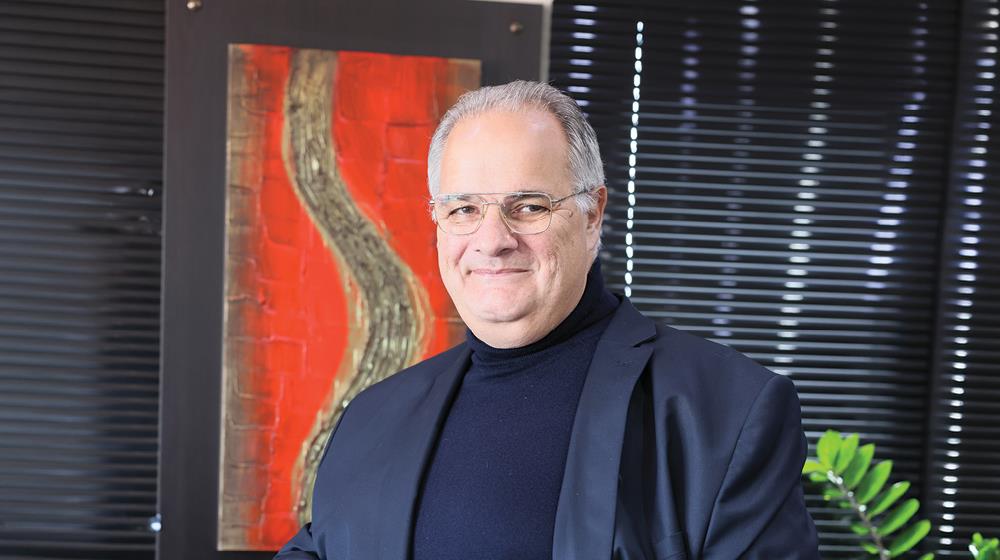
“Larnaca is already a compelling destination for energy projects, particularly given its existing infrastructure and strategic importance within the country’s overall energy landscape. However, the clear potential exists to enhance its attractiveness, especially from an investment perspective. The cost of energy is one of the most critical factors influencing investment decisions since energy pricing does not only affect operating expenses – it also directly impacts the viability, scalability and long-term returns of any investment,” suggests Demetrios Constantinides, CEO of Bioland Energy Ltd.
In an interview with GOLD magazine, Constantinides delves into Larnaca’s development as Cyprus accelerates its transition towards a more sustainable energy model while strengthening its investment appeal.
What types of energy investments are most viable in Larnaca today?
The Larnaca district hosts a significant share of Cyprus’ energy infrastructure, including industrial facilities and growing renewable capacity. As the global shift to sustainable energy accelerates, investment is increasingly focused on renewables and energy efficiency. Reducing energy costs is central to both urban development and sustainability and this can be achieved through large-scale solar photovoltaic parks with storage facilities. Storage is essential – it enables the use of surplus energy, reduces reliance on conventional sources and helps stabilise supply and pricing. At Bioland Energy, we are ready to launch our first energy storage units before the summer. With the extension of our own parks and partners’ photovoltaic parks, along with the benefit of storage facilities, we believe that we can reduce the cost of electricity and consequently the price to the end consumer. Through this combined and more evolved approach, we expect to support a more efficient energy system. With the right mix of infrastructure, innovation and long-term planning, Larnaca has a real opportunity to become a model for smart, sustainable urban development and lead Cyprus’ energy transition.
What are the key challenges facing energy companies in Larnaca today, and how can they be effectively addressed to unlock the sector’s full potential?
The challenges facing energy companies affect the whole of Cyprus, not just Larnaca. Although the Competitive Electricity Market (CEM) has been operational since October, key distortions still limit real reductions in the cost of electricity, which must still be sourced from a market largely dominated by the Electricity Authority of Cyprus (EAC). This restricts true competition and limits the ability of renewable energy providers to pass on meaningful savings, as discounts are limited to the daylight hours. Consumers and suppliers alike will experience some relief if an effective strategy is put in place – one where the Government and grid operators support the licensing and connection of storage, which has so far been unjustifiably delayed. In general, the CEM requires substantial reform to function more independently, encourage fair competition and support the greater integration of renewable energy sources into the energy mix so as to adjust and reduce energy costs. Another especially important issue is the ongoing Middle East Crisis, which has led to a sudden sharp increase in fuel prices. We may even face the risk of fuel shortages and a genuine energy crisis. Expanding solar photovoltaics alongside storage solutions can help reduce such risks, strengthen energy security and support a more self-sufficient and resilient energy system.
To what extent can the energy sector act as a pillar of economic diversification for Larnaca?
The energy sector can play a key role in diversifying Larnaca’s economy beyond real estate and tourism. Stable, competitive energy pricing supports local business growth, improves efficiency and makes the city more attractive for investment in sectors such as manufacturing, technology, logistics and services. Beyond cost reductions, the transition to renewable energy and storage also creates new economic opportunities. These include job creation in energy infrastructure, engineering and the development of specialised expertise that can position Larnaca as a hub for sustainable energy solutions. A recent example is the successful collaboration between our company and the Municipality of Aradippou, by which energy is efficiently supplied for the benefit of the local community. In this sense, energy is not just a supporting sector; it is a catalyst for broader economic transformation. By driving down costs, strengthening resilience and enabling new areas of economic activity, it can play a defining role in shaping a more diversified and competitive local economy.
From an investment perspective, how compelling is Larnaca today as a destination for energy projects? What could make the city significantly more attractive for large-scale energy investment?
Larnaca is already a compelling destination for energy projects, particularly given its existing infrastructure and strategic importance within the country’s overall energy landscape. However, the clear potential exists to enhance its attractiveness, especially from an investment perspective. The cost of energy is one of the most critical factors influencing investment decisions since energy pricing does not only affect operating expenses – it also directly impacts the viability, scalability and long-term returns of any investment. Competitive and predictable energy costs are therefore essential in positioning Larnaca as an attractive destination for both energy projects and broader industrial investment.
By enabling a more effective integration of renewable energy, alongside the deployment of storage solutions, Cyprus can strengthen competition within the energy sector, improve price stability and, ultimately, enhance investor confidence.
What role do you imagine energy playing in Larnaca’s economy and competitiveness 10 years from now?
Energy is a key enabler of broader economic development and, over the next decade, I expect it to play a central role in shaping Larnaca’s economy and competitiveness, acting as a driver for clean, reliable and cost-efficient growth. Fully integrating renewable energy and storage would help stabilise electricity prices, attract investment, support industry and strengthen the city’s appeal as a business hub. Achieving this requires a clear long-term strategy, faster infrastructure development, stronger stakeholder alignment and a stable regulatory framework that encourages innovation. With these in place, Larnaca will not only meet its energy needs more efficiently but it will also lead Cyprus’ transition to a more resilient and sustainable economy.
This interview first appeared in the April edition of GOLD magazine. Click here to view it.
