







“Talent is the most critical factor in the long-term success of a professional services firm. The competition is international and expectations are higher than ever,” Stavros Ioannou, CEO of Grant Thornton Cyprus, says.
Growth doesn’t happen by chance and, in the case of Grant Thornton Cyprus, Ioannou says that it has been the result of a deliberate strategy, investment in talent and a clear understanding of where the market is heading. In an interview with GOLD magazine, he reflects on the thinking behind that growth, the culture that sustains it and the broader opportunities that exist for Cyprus to emerge as a regional hub for professional services.
Grant Thornton Cyprus has experienced notable growth over the past five years. What key factors and strategic decisions have been most instrumental in positioning the firm for its next phase?
The most important factor contributing to our growth has been our intention behind every strategic move. For several years now, we have followed a clear direction: to strengthen our core services while expanding into areas that reflect where the market is heading. As regulatory complexity, digital transformation and sustainability became more central to business decision-making, we invested accordingly so that we could support clients in a more integrated and forward-looking way. At the same time, we made a conscious decision to position Grant Thornton Cyprus more actively within our wider international network. The partnership with Grant Thornton UK was not a starting point but the natural evolution of an already strong relationship built on joint engagements, shared expertise and aligned priorities. The investment formalised that alignment and created a structured platform for growth. It has enabled deeper cross-border collaboration, strengthened our technical depth and elevated the role of our firm within the regional network. After 18 months of operating within this strengthened partnership, the impact is tangible. We are not simply connected to the network; we are actively contributing to it. In my view, this balanced relationship has been instrumental in positioning us confidently for our next phase of growth.
With a team of more than 230 professionals in Cyprus, how do you attract and retain exceptional talent in today’s increasingly competitive professional services environment?
I strongly believe that talent is the most critical factor in the long-term success of a professional services firm. The competition is international and expectations are higher than ever. Professionals evaluate not only remuneration but also culture, leadership and growth prospects. Exposure to complex, cross-border work certainly plays a role in attracting ambitious individuals. However, I believe that culture is the true differentiator. We place strong emphasis on coaching, transparency and psychological safety. People need to feel that they can express ideas, challenge constructively and grow without fear. That environment builds confidence and ultimately drives performance. It is evident in our latest Women in Business report that leadership visibility, inclusivity and credible progression pathways increasingly influence career decisions. Candidates are asking where female leaders are represented, how meritocracy is applied and whether diversity is reflected in decision-making structures. Initiatives such as the Employee Benefit Trust reinforce our long-term mindset, linking contribution to shared success. Ultimately, when people feel safe, valued and genuinely invested in the firm’s future, retention is something that follows naturally.
Professional services are evolving rapidly. How is Grant Thornton Cyprus expanding and adapting its service offering to meet the changing needs of clients?
Professional services are no longer defined by technical expertise alone. Clients are now navigating digital transformation, regulatory complexity and talent mobility at the same time and they need integrated support. To provide this kind of support, we have expanded our offering in areas that reflect these shifts. Our AI and Data Lab is one example, helping organisations use technology responsibly and effectively. At the same time, we have strengthened our capabilities in digital risk, sustainability and governance, recognising that ESG and compliance considerations are now strategic priorities. Another important area has been our People, Relocation and Family Office services. As Cyprus attracts international investors and executives, businesses require structured support in mobility, residency and cross-border tax matters. We saw that need emerging and moved early to build a specialised team around it. I think the common thread across all these developments is anticipation. Rather than waiting for demand to fully mature, we aim to position ourselves slightly ahead of the curve, so that we can support clients not just in solving today’s issues but in preparing for what comes next.
Do you see the 2026 tax reform as a structural evolution of the country’s economic model? How do you assess its implications for competitiveness and international investment flows?
I see the 2026 tax reform as an inevitable alignment with international developments rather than as a radical shift in Cyprus’ economic model. The move to a 15% corporate tax rate brings the country in line with global standards and reduces uncertainty for multinational investors. What matters most, however, is not the headline rate alone but the overall competitiveness of the ecosystem. Investors assess stability, predictability and administrative efficiency just as closely as they assess tax policy. If implemented with clarity and supported by improvements in digital public services, regulatory consistency and talent development, I think that the reform can strengthen Cyprus’ credibility as a business destination. Today, competitiveness is built on trust and institutional reliability as much as on fiscal policy. Ultimately, the tax reform should be viewed as one component of a broader effort to position Cyprus as a modern, transparent and sustainable economy.
Do you believe that Cyprus can realistically position itself as a regional hub for professional services and innovation? What conditions must be in place to make this ambition sustainable?
Yes, I do believe that Cyprus has the potential to position itself as a regional hub but potential alone is not enough. In my view, sustainability will depend on consistency and execution. Cyprus already benefits from EU membership, a strong professional services ecosystem and a highly educated workforce. These are solid foundations. However, to move from potential to positioning, we must continue modernising our administrative framework. Faster processes, reduced bureaucracy and a fully digital public sector would significantly enhance investor confidence. Talent mobility is equally critical. If we want to compete regionally, we must attract and retain specialised professionals in technology, innovation and high-value advisory sectors. That requires competitive policies and a clear long-term vision and we see it as our responsibility to contribute towards this vision. By investing in expertise, strengthening cross-border collaboration and supporting clients as they scale regionally, we are actively helping to reinforce Cyprus’ position as a credible centre of professional services and innovation.
Looking ahead, how do you envision Grant Thornton Cyprus evolving over the next five years? What is your long-term ambition for the firm?
I see the next five years as a defining period for our firm. So far, we have built strong foundations and the focus now is not simply on growing further but on evolving with intention and confidence. Our ambition is not just to grow in numbers, but to be stronger in who we are. I believe that sustainable success comes from having the courage to question established ways of working, to embrace new thinking and to adapt early rather than react late. That mindset will continue to shape how we develop our services, how we collaborate across the network and how we position ourselves in the market. At the same time, protecting our culture is non-negotiable. It is something we are immensely proud of. Periods of rapid growth can easily shift the internal balance of an organisation, and that is precisely when clarity of values matters most. We want to remain a firm where people feel safe to express ideas, challenge perspectives and take ownership of their development. An environment where leadership is accountable, coaching is embedded in daily practice and success is shared rather than individualised. If we can continue to grow while preserving that culture of trust, openness and shared ambition, then I am confident that the next chapter of Grant Thornton Cyprus will not only be larger in scale but stronger in character and more meaningful in its impact.
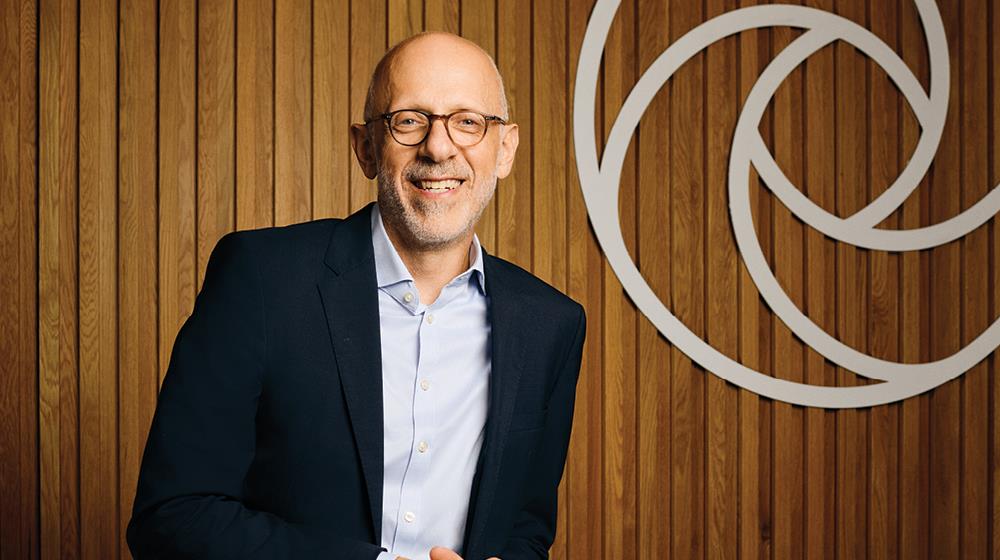
(Photo by TASPHO)
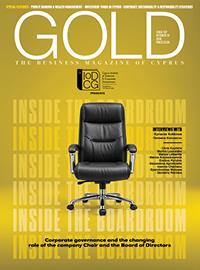
This interview first appeared in the March edition of GOLD magazine. Click here to view it.
