





From massive solar parks and airport expansions to urban renewal and logistics corridors, Public-Private Partnerships (PPPs) are fuelling a new wave of Foreign Direct Investment in the Eastern Mediterranean. At the Unlocking Investment Through PPPs summit, experts from Egypt, Greece and Cyprus shared what it takes to make them work.
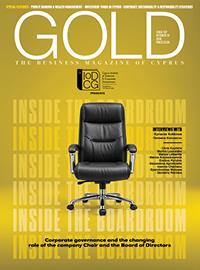
A publication edition containing an overview of what was discussed during the summit, is now available online. You can find it here.
PPPs are often measured by inputs, how much private capital they attract or how much public debt they offset. But at the Unlocking Investment Through PPPs summit, panellists from Egypt, Greece and Cyprus reframed the discussion around something more fundamental: long-term economic transformation. From Cairo’s mega infrastructure to Greece’s urban renewal and Cyprus’ strategic logistics upgrades, each case study offered insights into how PPPs can de-risk development, attract Foreign Direct Investment (FDI) and modernise the state. “PPPs represent a significant reform in the approach to infrastructure development and public service provision,” said Dr Marinos Giannopoulos, CEO of Enterprise Greece, the country’s investment promotion agency.
Egypt's growing private confidence
Hossam Heiba, CEO of Egypt’s General Authority for Investment and Free Zones (GAFI) laid out an ambitious vision: Egypt plans $60 billion in FDI and $145 billion in exports by 2030, with the private sector accounting for 65% of GDP. To get there, Egypt has rolled out a sweeping economic reform agenda. A market-set currency, restructured tax and customs regimes and the “golden licence” system – offering one-stop, 20-day investor approval – have all enhanced predictability. On the PPP front, Egypt has completed more than 45 projects worth over $13 billion and is now deepening its pipeline. One structural milestone was the 2023 State Ownership Policy, which clearly defines sectors that the Government is exiting, ending privileges for state-owned enterprises and levelling the field. De-risking tools include sovereign guarantees, blended finance and access to green capital via climate instruments. But, as Heiba stressed, soft infrastructure is just as vital. “Contract management is not the same as project management,” he emphasised. “You need a cross-functional team that understands the contract logic over 20–25 years.”
Projects in progress range from high-speed rail and new ports to solar megaprojects and healthcare PPPs. The Benban Solar Park, for example, powers two million homes and is 75% privately owned. Eleven airports, starting with Hurghada, are now slated for PPP.
Greece: From crisis to coordination
Greece has turned its post-crisis reforms into a PPP success story and Giannopoulos pointed to the country’s World Bank No. 2 global ranking in PPP frameworks. With a central PPP Secretariat, strong ministerial oversight and full compliance with EU regulations, the Greek model is structured, diversified and investor-friendly. “Only 25% of our PPPs are traditional infrastructure,” Giannopoulos said. “The rest are in sectors like student housing, healthcare, waste management and even urban design.” One standout is the €420 million redevelopment of an old army factory into a green government complex in Athens, which will host 14,000 civil servants and reserve 70% of the space for public use. Greece currently has 66 PPPs in its growth fund pipeline, worth €6.5 billion. Twenty have already been contracted. “The key to success?” asked Giannopoulos, before answering: “Robust project structuring, political commitment and a solid framework with proper risk mechanisms.” And as a bonus, he added, all parties must work together efficiently. He also emphasised the role of Enterprise Greece in maintaining a live pipeline and providing investors with guidance across legal, financial and operational dimensions.
Cyprus' textbook cases
Andreas Anastasiou, Partner, Strategy and Transactions Services at EY Cyprus, highlighted two case studies that have become textbook examples of successful PPPs: The Hermes-led airport concession and the commercialisation of the Limassol Port. The airport PPP, launched in 2006, led to the delivery of two new terminals in Larnaca and Paphos with €500 million in private investment. A second €170 million expansion phase is now underway. Passenger volumes have grown from 6.8 million to over 12 million annually – and are projected to reach 17 million with Phase B. Meanwhile, the Limassol port was concessioned in 2016, divided into three terminals and awarded to major global operators. Private investment exceeded €60 million and services have improved significantly across operations and cargo handling. As to what made these deals work, Anastasiou detailed several factors, including specialised partners, like top-tier airport operators, a fair risk-return framework and return allocation, as well as consortium balance with local firms like Iacovou Brothers (Constructions) Ltd providing executional grounding. Flexibility was also crucial. Contracts had to endure shocks such as the COVID-19 pandemic and global supply chain disruptions. “Government officials are capable but PPPs require professional advisors with international experience. In both projects, that was provided,” he added.
Common threads
Across Egypt, Greece and Cyprus, several common success factors have emerged, including clear project structuring with fully licensed and scoped projects ready for procurement, political commitment from governments that publicly and consistently support PPPs, and institutional capacity with dedicated PPP units, legal stability and professional advisory. Equally important are risk-sharing mechanisms with sovereign guarantees, blended finance and regulatory fairness, and long-term collaboration with investors, development partners and local stakeholders. The public sector sets the tone but the private sector sets the pace.
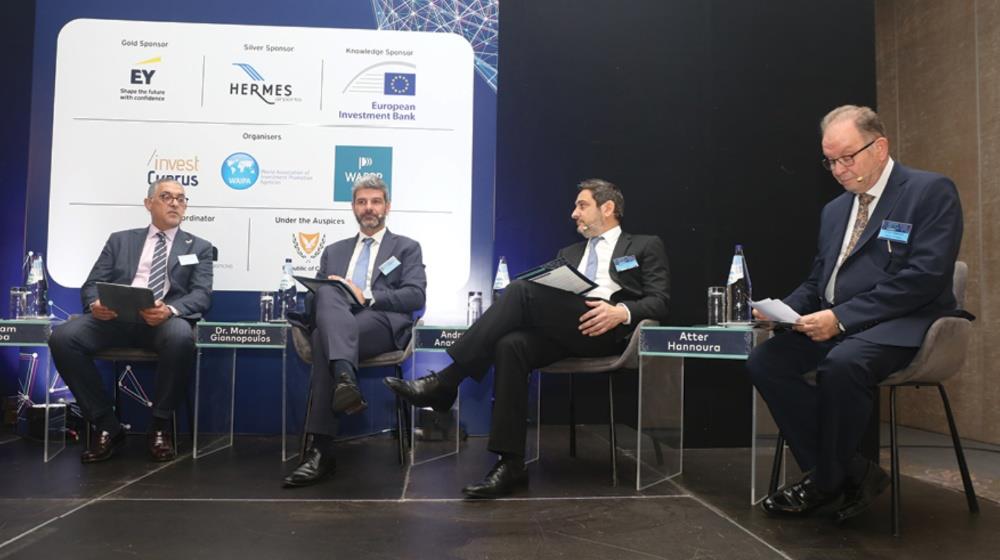
Panel discussion: Best Case Studies for FDI in Countries with Testimonials from Experts
- Andreas Anastasiou, Partner, Strategy and Transactions Services, EY Cyprus
- Dr Marinos Giannopoulos, CEO, Enterprise Greece
- Hossam Heiba, CEO, General Authority for Investment and Free Zones
Moderator: Atter Hannoura, Director of Central PPP Unit, Ministry of Finance, Egypt
Read more about PPPs in the online edition here.