





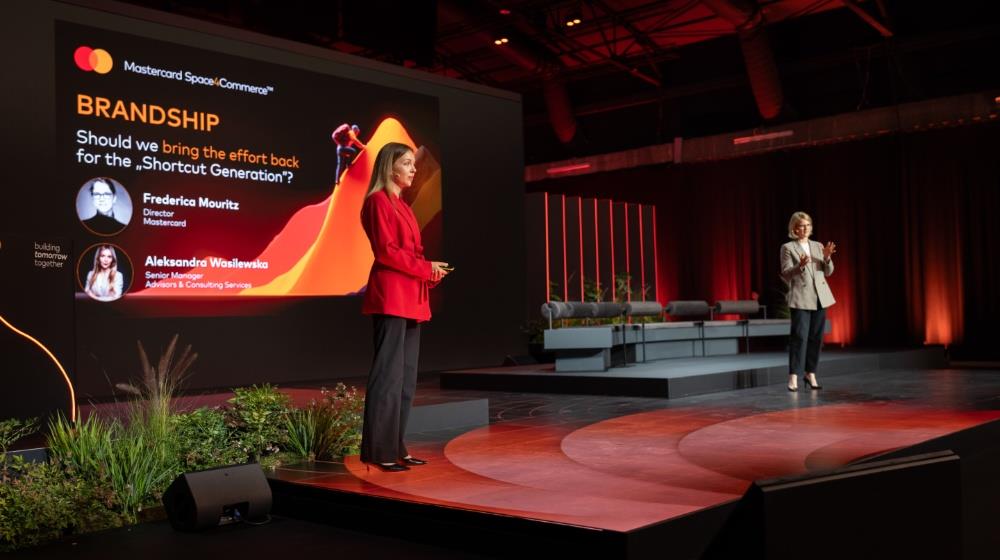
In an era of rapid technological change and growing AI integration, Gen Z is increasingly being characterised as the “shortcut generation”, according to Frederica Mouritz, Director of Strategy Pricing & Interchange, APEMEA, and Aleksandra Wasilewska, Senior Manager of Advisors & Consulting Services at Mastercard.
CBN attended the forum, which explored technological advancements in banking, examining how artificial intelligence could provide solutions while also addressing its potential shortcomings.
Speaking at the Athens Mastercard Innovation Forum 2026, the two executives explored the concept of brandship, questioning how companies, particularly banks, can remain relevant, build trust and establish meaningful connections with a generation that increasingly values convenience and efficiency.
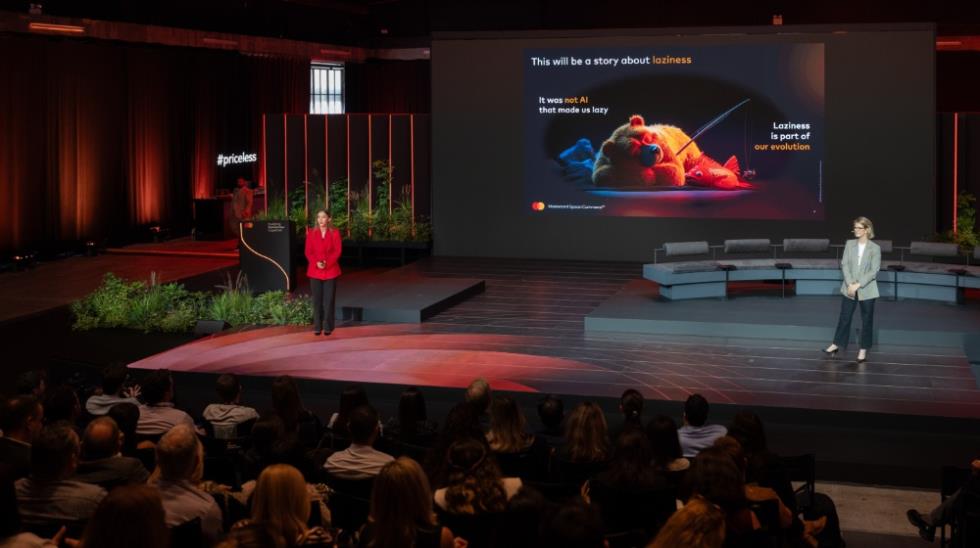
Addressing the perception that AI is making consumers “lazy”, they argued that technology is simply tapping into a natural human tendency to seek shortcuts. Much like previous technological advancements, AI enables people to complete everyday tasks more quickly and efficiently.
They also highlighted Gen Z’s changing spending priorities, noting that the generation is increasingly inclined to invest in personal experiences and wellness rather than traditional social gatherings. As they explained, younger consumers appear more interested in investing in themselves while taking advantage of the shortcuts technology offers.
According to Mastercard research, 38% of Greek consumers already use AI-powered recommendations when shopping. This is also changing online shopping habits, with Gen Z spending as little as a minute browsing an e-commerce website, often arriving with a purchasing decision already made and heading straight to checkout. Meanwhile, almost half of Greek consumers opt for same-day delivery.
The executives further noted that one in three Greeks uses AI daily, while 5–7% consider it their favourite form of entertainment. More than 30% of Greek consumers also trust AI agents enough to share their credit card details. Additionally, Mastercard research found that 83% of ChatGPT users could not recall at least one sentence they had written just a minute earlier.
Concluding their presentation, Mouritz and Wasilewska outlined three ways brands can strengthen their relationships with consumers in the age of AI.
Firstly, brands should act as companions rather than simply sellers, creating opportunities for meaningful engagement and participation beyond the point of purchase. Secondly, they should help consumers navigate an increasingly complex world by establishing meaningful touchpoints both online and offline. Finally, personalisation remains essential, as consumers increasingly seek individualised experiences that make them feel understood without leaving them isolated.
The 2026 Mastercard Innovation Forum brought together experts and leaders from across Europe's banking ecosystem to discuss the developments, challenges and opportunities shaping the future of financial services.