



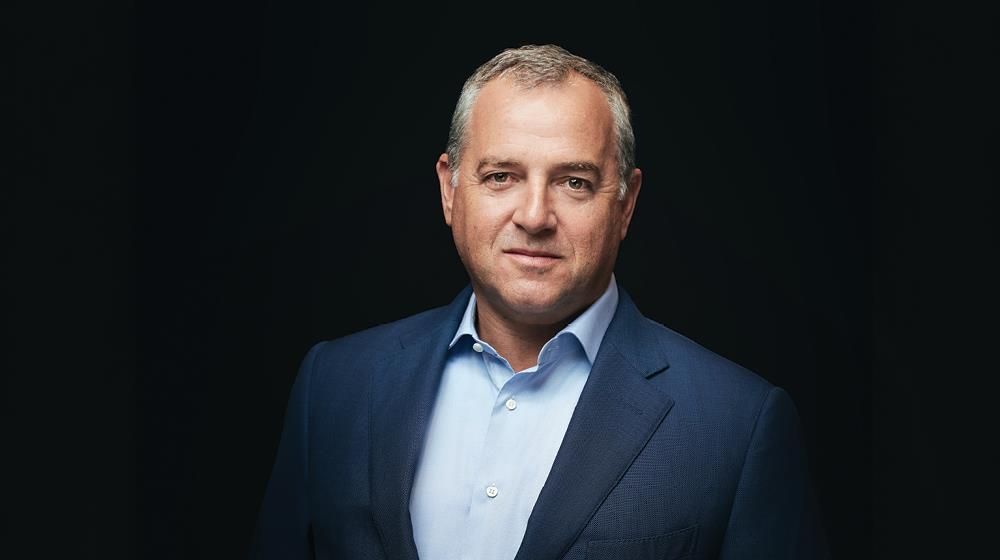
Polys V. Hajioannou, CEO of Safe Bulkers Inc., discusses how the global shipping industry is adapting to change and the role of technology, and how his company has remained competitive and profitable despite the many challenges arising from the current uncertain geopolitical environment.
Among other things, the CEO, in addition, weighs in on how Safe Bulkers is tackling the problem of attracting young people to the shipping industry while also revealing what he expects the global dry bulk shipping industry to be like by 2030 and where he would like Safe Bulkers to be positioned within it.
Recent changes to shipping regulations are reshaping maritime activities. How have they affected the sector and what new challenges have arisen?
FuelEU Maritime and the EU ETS are changing the way shipping companies operate, invest and plan for the future. They are accelerating the industry’s transition towards lower emissions and pushing shipping companies to invest in cleaner technologies and more sustainable operations. At the same time, these regulations create significant challenges. Compliance comes at a considerable cost and adds complexity, particularly for smaller shipowners. There is also concern that regional measures, such as the EU ETS, could overlap with the IMO’s global decarbonisation framework, creating additional administrative and financial burdens.
The key challenge is to find the right balance. The industry fully supports decarbonisation and is committed to reducing its environmental footprint. However, the transition must be practical, coordinated and globally aligned. Shipping is a global industry; achieving meaningful progress will require clear rules, realistic timelines and a fair distribution of responsibilities and costs across the entire transport chain.
New technologies, such as AI, are becoming important tools in the maritime sector. In this regard, what has changed at Safe Bulkers and how has the adoption of these new tools progressed?
At Safe Bulkers, we have always embraced innovation as a way to improve efficiency, competitiveness and long-term resilience. A key part of our digital transformation is the ongoing installation of data collection and analysis systems across our fleet. These investments allow us to better monitor operations, improve efficiency and support our sustainability objectives. At the same time, we recognise that successful digitalisation goes hand in hand with strong cybersecurity. We have implemented robust control systems onboard our vessels and ashore, while continuously training our seafarers and office personnel to identify, assess and manage cyber risks effectively.
The future of shipping will be shaped by a combination of technology and investment. Artificial intelligence and digital tools can help improve efficiency and reduce emissions, while modern vessels and advanced environmental technologies are essential for meeting increasingly ambitious sustainability targets. At Safe Bulkers, we continue to invest in both areas, ensuring that our fleet remains efficient, competitive and well-positioned for the future.
The shipping industry has been deeply affected by crises across the world. What measures can be taken by shipping companies if they are to continue to grow?
The shipping industry has always had to adapt to periods of uncertainty and today’s geopolitical environment is no exception. Regional conflicts, sanctions and disruptions to major trade routes have increased operational challenges, making flexibility, resilience and a clear focus on the industry’s fundamental priorities more important than ever. Above all, we must ensure the safety of our seafarers. Recent developments in regions such as the Eastern Mediterranean and the Red Sea have highlighted the importance of robust security measures, continuous risk assessments and strong emergency preparedness to ensure the safety and well-being of crews.
At the same time, we must not lose sight of the importance of freedom of navigation. Global trade depends on open and secure shipping routes, and keeping them that way is in everyone’s interest. This is not something that any one company can achieve alone. It requires close cooperation among shipowners, regulators and governments, as well as a shared commitment to keeping trade moving efficiently across the world.
Shipping has repeatedly demonstrated its ability to adapt to changing circumstances. Companies that remain focused on safety, operational excellence and long-term planning will be best positioned to navigate uncertainty, support global trade and continue growing in a rapidly evolving environment.
How is Safe Bulkers tackling the problem of attracting young people to the shipping industry?
At Safe Bulkers, we believe that attracting and developing the next generation of maritime professionals is essential for the long-term sustainability of both our company and the shipping industry as a whole. For us, this means not only supporting education but also providing young people with clear opportunities to build rewarding careers in shipping.
To help achieve this, we launched our annual Scholarship Programme in 2021, supporting Cypriot and Greek students pursuing undergraduate and postgraduate studies relevant to the maritime sector. Now in its sixth consecutive year, the programme continues to encourage talented young people to explore opportunities in shipping and develop the skills that the industry will need in the future. For the 2026-2027 academic year, we awarded ten scholarships of €10,000 each.
We have also expanded our efforts through the Safe Bulkers Cadet Scholarship Programme, which grants five annual scholarships of €5,000 to Cypriot or Greek students enrolled in the four-year Nautical Science programme of the Cyprus Maritime Academy. The scholarships are renewed annually subject to the recipients’ satisfactory academic progress and successful promotion to the next year. Through sea-service training onboard our modern, energy-efficient Cyprus-flagged vessels, cadets gain hands-on experience and, upon graduation, have the opportunity to join Safe Bulkers and pursue a career path from Deck Officer to Captain Class A, with potential opportunities ashore as Port Captains or fleet operators in the marine department of its Cyprus-based offices. More information about our scholarship programme is available at www.safebulkers.com.
Safe Bulkers’ Second Quarter results showed a $35.2 million profit. How has the company remained competitive and how do you expect it to perform over the next three years?
Our second-quarter performance reflects the disciplined strategy that we have followed for many years. At Safe Bulkers, maintaining a strong balance sheet, low leverage and ample liquidity allows us to invest through market cycles, to renew our fleet and remain resilient during periods of volatility. Our dual listing on the NYSE and Euronext Athens further strengthens our market presence, enhances our visibility and broadens our access to international investors. A key driver of our competitiveness has been our proactive approach to fleet renewal and decarbonisation. We are steadily reducing our environmental footprint through investments in technologically advanced eco-efficient vessels, the acquisition of younger ships, the gradual replacement of older tonnage and the continuous environmental upgrading of our existing fleet.
A clear example of this commitment is the recent delivery of MV Kypros Island, our first dual-fuel methanol-powered Kamsarmax newbuilding and the first dual-fuel dry bulk vessel registered under the Cyprus flag. These investments strengthen our operational efficiency, support regulatory compliance and position us well for the industry’s transition to a lower-carbon future.
Building on this foundation, we see significant opportunities arising from fleet renewal, evolving trade patterns and the industry’s energy transition. By maintaining financial discipline, operational excellence and a clear strategic focus, we are well positioned to capitalise on these opportunities, strengthen our market position and continue delivering long-term value to our shareholders over the next three years and beyond.
Looking ahead to 2030, how different do you expect the global dry bulk shipping industry to be and where would you like Safe Bulkers to be positioned within it?
By 2030, I expect the dry bulk industry to be cleaner, more efficient and increasingly technology-driven. Decarbonisation, digitalisation and new fuels will continue to reshape the sector, while success will depend on practical regulations and continued investment in innovation.
At Safe Bulkers, our goal is to remain at the forefront of this transition. As the industry evolves, we will remain focused on sustainable growth, fleet optimisation and digital innovation. With a modern fleet, strong governance and an experienced team, we believe we are well positioned to create long-term value and further strengthen our position as a leading dry bulk owner.
This Special Feature first appeared in the November edition of GOLD magazine. Click here to view it.