






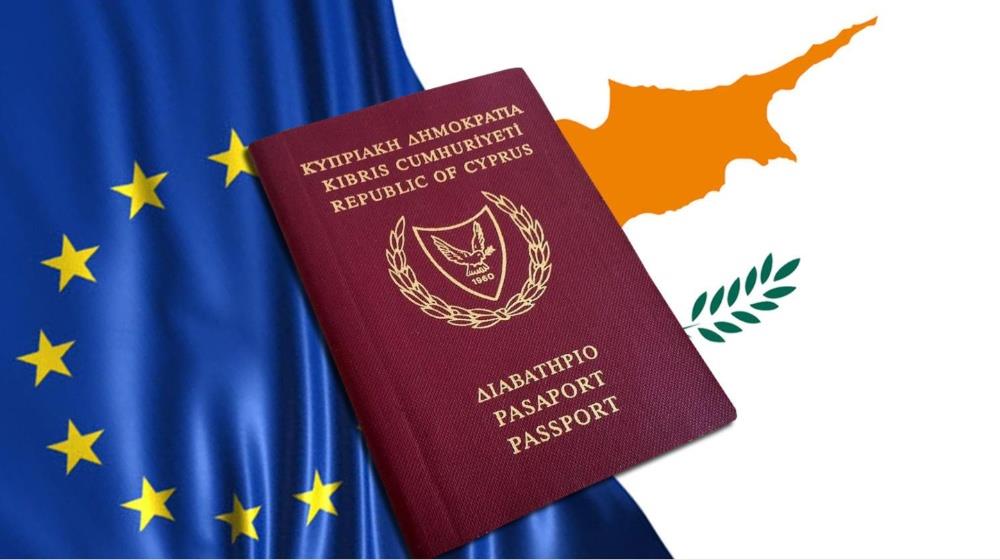
Cyprus has climbed one place in the global passport rankings for 2026, now offering visa-free or visa-on-arrival access to 175 destinations worldwide, according to the latest Henley Passport Index.
The Cypriot passport ranks 13th globally this year, improving from 14th place in 2025. It now sits just behind Monaco in 12th position, while surpassing countries such as Chile and Hong Kong, whose passports provide access to 174 destinations.
At the top of the ranking, Singapore maintains its position as the world’s most powerful passport, granting access to 192 destinations. Japan, South Korea, and the United Arab Emirates share second place with 188 destinations, followed by Sweden in third with 187. Fourth place is jointly held by eleven European countries, including France, Germany, Spain, Italy, the Netherlands, and Belgium, each offering access to 186 destinations.
At the lower end of the index, Afghanistan remains last, with access to just 22 destinations. Syria follows with 25, Iraq with 28, and Pakistan with 29.
Henley & Partners noted that global mobility has expanded significantly over the past two decades, even as geopolitical tensions intensify. According to the Global Peace Index, peacefulness has declined for the twelfth consecutive year, with the number of interstate conflicts at its highest level since World War II.
The report also highlights a strong correlation between a country’s level of peacefulness and the strength of its passport. However, exceptions such as the United States, Israel, the United Arab Emirates, and Ukraine demonstrate how diplomatic and geopolitical influence can also enhance travel access.
Marking its 20th anniversary this year, the Henley Passport Index remains one of the most widely cited global mobility rankings. It is based on official data from the International Air Transport Association (IATA), covering 199 passports and 227 travel destinations.
Over the past 20 years, average global travel access has nearly doubled, rising from 58 destinations in 2006 to 108 in 2026, reflecting a long-term expansion in international mobility.
The modern passport system dates back to 1914, when documentation became formalised during World War I. It later became a universal requirement for cross-border travel following the League of Nations Passport Conferences in the 1920s. Prior to the 20th century, international travel was largely unrestricted, but growing mobility during the industrial era led governments to introduce documentation to manage borders and monitor movement.