







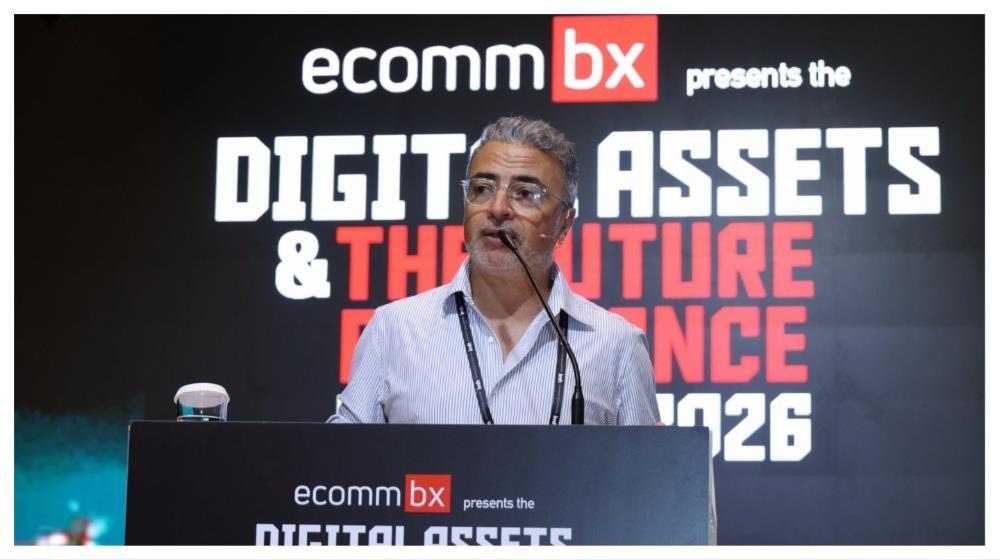
Ouriel Ohayon, CEO and Co-founder, Zengo / eToro, believes that the next phase of digital asset development will be based on trust, compliance, and real utility of applications.
Speaking at the Digital Assets and the Future of Finance Summit 2026, presented by ECOMMBX on 7 July, Ohayon analysed the trends shaping the new era of the digital asset market, focusing on the convergence of the traditional financial system with the decentralised ecosystem, as well as the role of regulation as a key factor in the mass adoption of the technology.
During his speech, he said that “five years ago the question was whether digital assets are a reality. Today the question is how much exposure one will have, through which products and with which partners. The market has moved from a curiosity stage to that of a recognised asset class, as access has become easier, the regulatory framework has matured and institutional participation has increased significantly.”
At the same time, he emphasised that “innovation only gains real scale when it is based on trust. MiCA, the Travel Rule and the framework for stablecoins create the conditions for digital assets to evolve from a frontier market to a high-end financial infrastructure. At the same time, fintech platforms are gradually transforming into unified applications that combine banking services, investments, payments and digital assets, while stablecoins are evolving into a core infrastructure for liquidity, settlement and capital management.”
Referring to technological developments, Ohayon noted that the market is entering a period where digital financial services operate in real time, are programmable and available on a global scale, while artificial intelligence and blockchain create new possibilities but also new requirements for transparency, control and accountability.
In closing, he noted that “the next growth cycle will not be measured by the price of crypto, but by the utility they create. Digital wallets are evolving into mainstream financial applications, stablecoins are gaining a business role, tokenized assets are expanding their distribution and liquidity, and the future of financial services will resemble the banking system we know today, only faster, more global, more programmable and based on regulated trust.”
(Source: InBusinessNews)
