








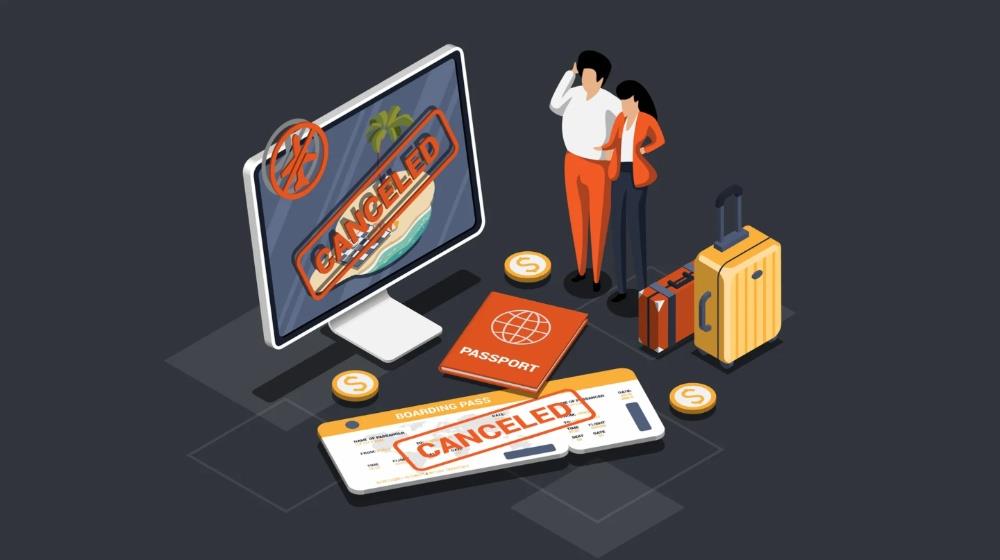
Flexible cancellation and refund policies offered by airlines are terms that often create misconceptions among passengers. In practice, flexibility does not always mean that a traveler can change or cancel their ticket without cost, restrictions, or specific conditions.
It is a system of rules, where the ability to make changes depends on multiple factors, such as the fare category, operational conditions, and specific exceptions that are activated only in certain cases.
Flexibility, but only through exceptional waivers: Extraordinary waivers are not a permanent feature of ticket flexibility, but temporary measures activated in special situations such as severe weather, strikes, or operational disruptions. In such cases, airlines replace standard change policies with more lenient terms; however, this does not apply to typical bookings.
Flexibility depends on the fare, not the policy: The actual ability to change or cancel depends primarily on the fare category selected by the passenger. Lower-cost tickets usually come with stricter restrictions, while more expensive fare classes offer greater flexibility, regardless of the airline’s general policy.
Refunds are usually limited and not automatic: Refunds are neither guaranteed nor automatic. In many cases, they involve administrative fees that reduce the final amount returned to the passenger. Even when travel plans change, full refunds are the exception rather than the rule.
Rebooking depends on availability and applicable fares: Changing a booking is subject to seat availability and the fares in effect at the time of modification. In some cases, fare differences or additional charges may apply, especially when changes involve high-demand periods or different fare classes. As a result, the total cost of the new booking may differ from the original purchase.
Travel insurance covers the lack of flexibility: Travel insurance often acts as a complementary tool, covering situations where airline policies are restrictive. It can provide compensation or coverage in cases of cancellations, illness, or unexpected travel changes, reducing financial risk.
The key to avoiding misunderstandings: Understanding the terms before purchasing a ticket is crucial. Many passengers fail to read fare details, resulting in unexpected restrictions such as change fees or non-refundable tickets.
Overall, the concept of flexibility in airline bookings is not a single feature, but a set of different rules that depend on the fare, the circumstances, and the specific conditions of each trip.
This article first appeared, in Greek, in the most recent edition of Hermes Airports' online newsletter, Flight Mode. Click here to view it.
