







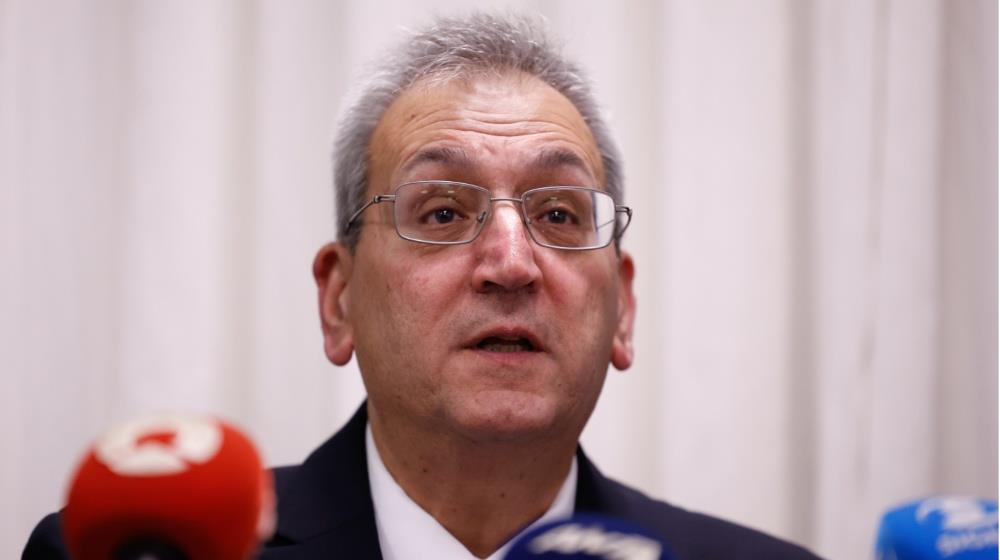
The Minister of Labour and Social Insurance, Marinos Moushouttas, addressed the Plenary Session of the 114th Annual Session of the International Labour Organization in Geneva, representing the Republic of Cyprus as head of a three-member delegation.
According to a statement from the Ministry of Labour, in his remarks during the discussion on the future of work and the role of Artificial Intelligence in promoting decent work on 10 June, the Minister emphasised that Artificial Intelligence is already transforming labour markets and societies, stressing that technological progress must serve humanity and contribute to fair, inclusive, and sustainable development, and noted that the future of work is not predetermined but depends on policy choices, regulatory frameworks, and meaningful social dialogue.
It is added that, referring to the Cyprus Presidency of the Council of the European Union, Moushouttas noted that Cyprus has placed the future of work, quality employment, and skills, placing particular emphasis on the impact of Artificial Intelligence on labour rights and the quality of work, among its priorities. In this context, he referred to the discussion held, at the initiative of the Cyprus Presidency, at the European Union Employment Ministers’ Council on 9 March, 2026.
It is added that the Minister of Labour also highlighted the positive performance of the Cypriot economy and labour market, noting that the employment rate reached a historic high of 81.3% in 2025, while unemployment fell to 4.4%, the lowest level since 2008. At the same time, he referred to policies aimed at boosting incomes and social protection through the implementation of the national minimum wage, the renewal of collective agreements, and targeted skills upgrading programs.
In closing, Moushouttas underscored the importance of social dialogue and tripartite cooperation in managing the transformations brought about by Artificial Intelligence, stressing that the decisions made today will determine not only the future of work but also the future of our societies, the statement concludes.
(Source: CNA)
