






Cyprus has one of the highest job vacancy rates in the European Union, yet many businesses are still hiring the way they always have. However, the problem often is not always a shortage of candidates, but it is the selection criteria used to filter them out.
A market running out of candidates
By the third quarter of 2025, unemployment in Cyprus had fallen to 4.1%, according to the Cyprus Statistical Office. That figure is close to full employment, which means the available pool of local candidates is limited.
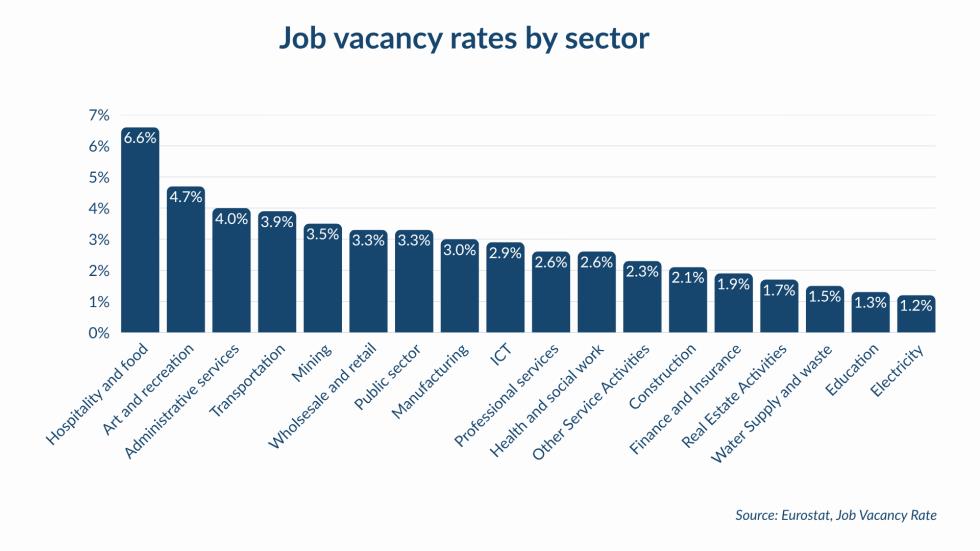
The numbers at sector level tell a clear story. A job vacancy rate measures the share of unfilled positions relative to all available roles in the economy. Cyprus already ranks among the highest in the EU on this measure, according to Eurostat. Within the island, the rate in hospitality and food services stands at 6.6%. In ICT, it is 2.9%. These figures reflect a sustained mismatch between the roles businesses need to fill and the people available to fill them, rather than a temporary gap caused by a slow hiring period.
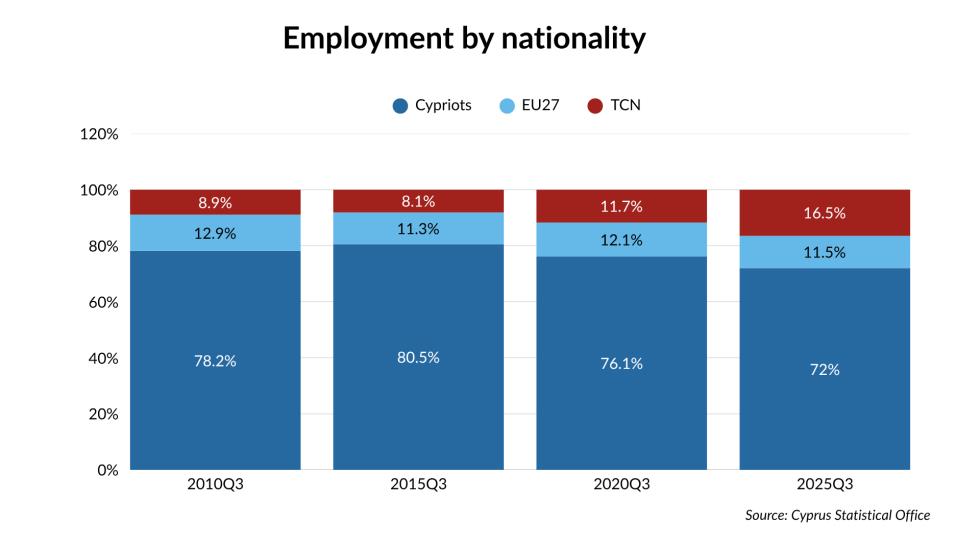
The workforce is already adjusting to this reality. Since 2015, approximately 48% of employment growth in Cyprus has come from EU nationals and third-country nationals, meaning workers from outside the European Union, according to the Cyprus Statistical Office. The proportion of Cypriot nationals in employment has fallen from 80% to 72% over the same period.
The cost of prolonged vacancies
Every month a position stays open, the workload does not disappear. It is taken on by existing staff, which reduces productivity, accelerates burnout, and increases the risk of losing people who were already in place. In sectors where operational continuity depends on having enough staff to deliver the service, this pressure compounds quickly.
Overly strict job specifications are a major contributor to this problem. When the criteria for filtering candidates are too broad for the role, the shortlist shrinks, the recruitment process takes longer, and the cost of the vacancy grows. This is not just an HR issue, but a business risk that, over time, poses a threat to the organisation's growth.

What skills-based hiring means in practice
To implement skills-based hiring, businesses should start by reviewing their existing job specifications. They should ask themselves: does each requirement genuinely predict a candidate's ability to perform well, or is it simply a carry-over from the past? Many current job descriptions were written years ago for a different labour market and have not been substantially updated.
For certain roles, specific qualifications are essential. For example, a finance professional handling regulatory reporting or a software engineer working on complex systems requires a strong technical foundation. However, for many other roles, particularly those where skills can be developed through structured onboarding, the ability to learn, adapt, and work well in a team is more important. Businesses should make this distinction explicit and avoid applying the same level of filtering to every position.
It is also essential to examine where requirements create unnecessary barriers for the candidates Cyprus needs to attract. Internationally trained professionals, vocationally qualified workers, and individuals with non-traditional career histories often have the potential to perform well in roles they would not be considered for under current criteria. By reviewing these criteria with an open mind and being willing to adjust them where necessary, businesses can expand their talent pool without compromising standards.
Building clarity into the hiring process and investing in onboarding capacity to support a wider range of candidates can help skills-based hiring deliver results.
"When we work with businesses in Cyprus, one of the most valuable conversations we have is deepdiving to what does this role actually need? Taking the time to work through that question carefully, rather than defaulting to what was hired for last time, tends to open up far more options than employers expect." — Christiana Palla, Director and Country Manager, Konnekt Talexio Cyprus
Finding the right fit on both sides
Konnekt is a specialist recruitment agency that has been connecting businesses with professional talent since its founding in Malta in 2007. The agency operates across Cyprus, Greece, Malta, and Poland, building long-term relationships with clients and candidates based on a genuine understanding of their needs.
The Konnekt team works with businesses to define what a role genuinely requires and with candidates to identify where their skills, experience, and potential represent a strong match. Businesses looking to review their hiring approach or find the right person for a specific role can reach the team at cyprus@konnekt.com.
Data sources: Cyprus Statistical Office; Eurostat; European Commission Autumn Forecasts.