








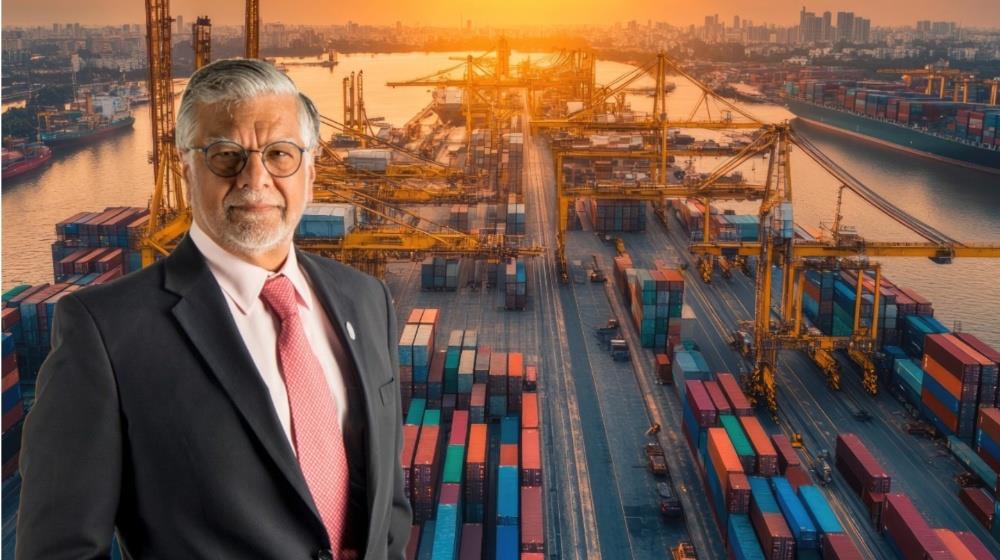
"There is no sense of panic within the Cyprus shipping community. Cyprus continues to function as a stable and reliable maritime hub. Business operations remain normal, and people continue to travel, albeit with some adjustments to routes, particularly avoiding the Middle East corridor," the COO & Partner of OL Shipping Group Sunil Kapoor states, while also, however, underlining the importance of safeguarding seafarer welfare not only during times of crisis like the current one, but always.
In an exclusive interveiw with CBN, the expert, among other things, discusses how merchant shipping has repeatedly been drawn into geopolitical conflicts despite being civilian and why it is time to learn from the experiences of the past to ensure seafarers are not put at avoidable risk.
What is your view on the recent attacks on merchant vessels in the Strait of Hormuz?
What we are witnessing is deeply concerning—but not new. Merchant shipping has repeatedly been drawn into geopolitical conflicts despite being civilian. From the World Wars to the Gulf conflicts, the Russia–Ukraine war, and now tensions in the Middle East, ships and crews find themselves on the front line of situations they do not control.
A Norwegian friend shared how his grandfather, a captain during WWII, was torpedoed off Barbados. Salary payments stopped immediately and resumed only after joining another vessel. He sailed for six years without normal leave. Even wages were withheld and returned decades later.
This is not just history—it is a pattern. Today, ships remain civilian, but the risks are not. In areas like Hormuz and the Red Sea, seafarers face missiles, drones, and mines. These are real, not theoretical. The response remains reactive—statements, advisories, and pressure to keep sailing. The reality is simple: risks are increasing, responsibility is unclear, and the burden sits with the seafarer.
How is the current situation impacting Cyprus’ shipping sector?
Around 19 Cyprus-flagged vessels are currently in or near high-risk areas, along with others operated by Cyprus-based companies. Most operators are avoiding transit due to the lack of assurance on safe passage. It is a “wait and watch” situation.
Ports in the Gulf remain operational, allowing essential support—food, water, medical care, and repatriation if required. This is a good news. Trade patterns are shifting, with vessels routing around southern Africa instead of the Red Sea, increasing cost and transit time. As of now there is no shortage of anything.
That said, there is no sense of panic within the Cyprus shipping community. Cyprus continues to function as a stable and reliable maritime hub. Business operations remain normal, and people continue to travel, albeit with some adjustments to routes, particularly avoiding the Middle East corridor.
Returning to the problem on an international level, what lessons should we have learned from past experiences?
We have seen this before—Somalia piracy, COVID crew change crisis, and now the Red Sea. The lesson is simple: We act only when the crisis peaks—and forget just as quickly when it fades. Piracy was treated as a distant issue until trade was affected. During COVID, seafarers were called “key workers,” yet thousands were stranded onboard, while others could not even join vessels.
One practical lesson stands out—seafarer movement must be simple and protected. When global trade depends on them, their ability to join and leave a vessel should not become a crisis. Ships have the right to sail—but not the right to be protected. In reality, safety comes down to avoiding high-risk areas and ensuring accountability when civilian shipping is targeted.
What measures should be taken, and by whom?
No single stakeholder can solve this. International bodies, flag states, and maritime authorities provide guidance, while governments must ensure safe passage. However, enforcement remains weak—the gap between guidance and action is the real issue. Shipping companies carry immediate responsibility. Commercial pressure cannot override safety. Routing decisions must prioritise seafarers—not just economics. Charterers also play a role. When ships are pushed into high-risk areas, the risk is effectively transferred to the ship owners and finally to the crew.
What is needed is alignment—clear protocols, shared accountability, and coordination. And a difficult but necessary reality: sometimes, the safest decision is not to sail.
How can seafarers be better protected, even in normal times?
This is not complicated. Seafarers are professionals in a global industry. Their basic conditions—documentation, contracts, welfare, and working environment—should be reliable. Yet the reality is different.
Over 2,200 seafarers have been abandoned on more than 220 vessels in a single year, with USD 13 million in unpaid wages. These are not isolated cases—they point to systemic gaps. There are vessels where even senior crew refuse to join due to conditions. For many others, there is no choice—especially when cost of repatriation has to be borne by the seafarer.
Even in normal times, gaps remain in medical care, mental well-being, fair treatment, crew changes, and even shore leave. We need to move beyond compliance and focus on care. Better communication, practical welfare systems, and genuine support— these are the basics and not something out of extraordinary. Ultimately, this is about culture. If we treat seafarers as part of a system, the system will continue to fail them.
Shipping operates quietly, noticed only when something goes wrong – pollution, collision and now the conflict and disruptions. Geopolitics, regulation, and environmental pressures are increasing. The industry speaks about people being its greatest asset, yet progress on basic issues remains slow.
There are positive examples. During COVID, Cyprus took a practical approach—facilitating crew changes in Cyprus and providing vaccines to the ships. It showed what can be done with clarity and intent. But such actions remain the exception.
Shipping will continue to move the world. The question is whether we are doing enough to protect the people who make it possible.
