







The Council of the European Union has adopted two decisions via written procedure authorising the signature of the EU-Mercosur Partnership Agreement (EMPA) and the Interim Trade Agreement (iTA) between the EU and Mercosur countries: Argentina, Brazil, Paraguay, and Uruguay.
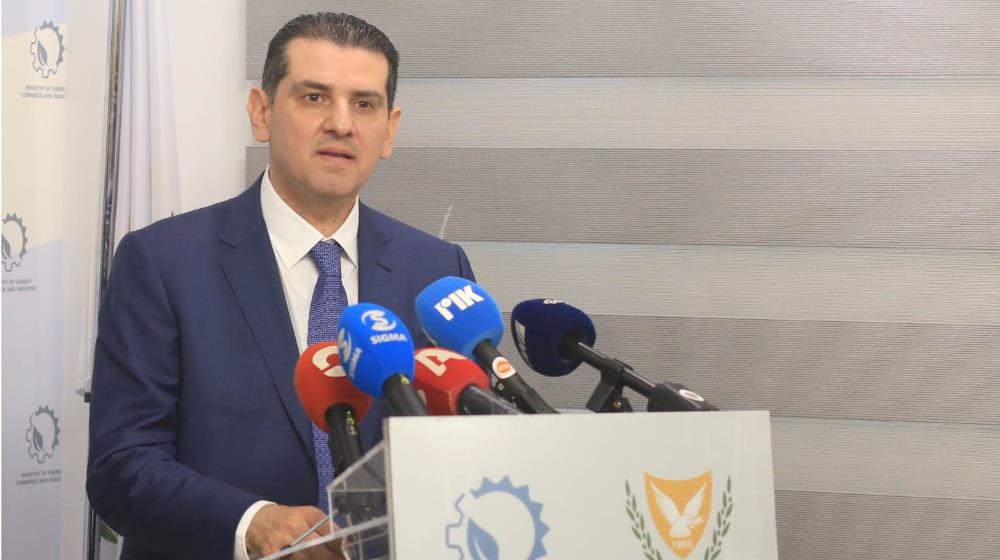
Commenting on the development, Minister for Energy, Commerce, and Industry Michael Damianos stated that after more than 25 years, the 9 January decision represents a historic step towards strengthening the EU’s strategic partnership with Mercosur.
With this EU - Mercosur (Argentina, Brazil, Paraguay, and Uruguay) agreement, the world’s largest free trade zone will be created, covering a market of over 700 million consumers. The EU is Mercosur’s second-largest trading partner, accounting for nearly 17% of Mercosur’s total trade in 2024. In 2024, EU-Mercosur trade in goods was worth €111 billion (€55.2 billion in exports and €56 billion in imports), with trade in services exceeding €42 billion in 2023.
According to the Cypriot Presidency, these agreements mark a historic milestone in the relationship between the two regions, following over 25 years of negotiations. The new free trade zone will cover more than 700 million consumers. In 2024, EU-Mercosur trade reached €111 billion, while trade in services exceeded €42 billion in 2023, underscoring the strategic importance of the agreement for both sides.
Michael Damianos, Cyprus’ Minister for Energy, Commerce, and Industry, stated that "After more than 25 years, today’s decision represents a historic step towards strengthening the EU’s strategic partnership with Mercosur. In a time of growing global uncertainty, it is essential that we reinforce our political cooperation, deepen our economic ties, and uphold our shared commitment to sustainable development. These agreements will create new opportunities for businesses on both sides, while ensuring robust safeguards for our most sensitive sectors and a fair, sustainable framework for trade."
According to the Council of the EU, the EU-Mercosur Partnership Agreement (EMPA) consolidates political dialogue, cooperation, and trade and investment pillars into a single framework. It strengthens collaboration in areas such as sustainable development, environment and climate action, digital transformation, human rights, mobility, counter-terrorism, and crisis management. The agreement also enhances EU-Mercosur coordination in multilateral forums and establishes permanent platforms for exchanging expertise and best practices and under this decision, large parts of the political and cooperation chapters will be provisionally applied until the ratification process is completed by all member states.
As for the Interim Trade Agreement (iTA), it will function as a standalone agreement until the full EMPA enters into force. It provides for tariff reductions and market access for key sectors such as agriculture, automotive, pharmaceuticals, and chemicals. It also facilitates investment and removes barriers to cross-border trade in services, particularly in digital and financial sectors, while allowing EU companies to participate in public procurement in Mercosur countries. The Council of the EU noted that iTA falls under the EU’s exclusive competence and does not require ratification by individual member states.
Pending the adoption of a dedicated Mercosur safeguards regulation, the Council’s decision introduces temporary measures to address market disruptions from imports of sensitive agricultural products. The European Commission will be empowered to apply bilateral safeguard measures and enhance monitoring of products subject to tariff-rate quotas, ensuring a high level of protection for EU farmers and agri-food sectors during the transition period.
Following the decisions, the EU and Mercosur will proceed with the signature of the agreements, with the president of the European Commission, Ursula von der Leyen, travelling to Paraguay along with the president of the European Council, Antonio Costa, in order to sign on behalf of the 27 EU member states.
Before formal conclusion, the European Parliament must give its consent. The EMPA will fully enter into force only after ratification by all EU member states and Mercosur countries, while the iTA will apply provisionally until superseded by the full agreement.
(Source: CNA)
