








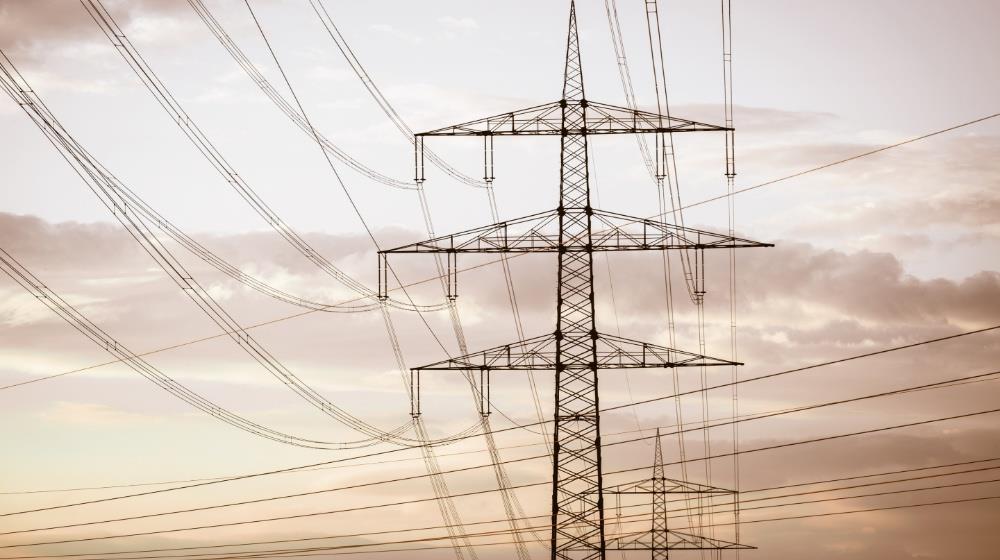
An investment of around €95 million, co-financed by the European Union under the Cohesion Policy Programme “THALIA 2021-2027”, is being promoted to upgrade critical sections of Cyprus’ electricity grid, creating the conditions for greater integration of renewable energy sources (RES), energy storage and a reduction in renewable energy curtailments.
According to a press release by the Directorate General for Development of the Ministry of Finance, the projects are expected to be completed by December 2029 and concern the modernisation and reinforcement of critical sections of the existing electricity grid, enabling it to respond to the growing demands created by the energy transition and the increasing penetration of RES.
The investment includes targeted upgrades to existing infrastructure and facilities, as well as the installation of new advanced infrastructure and systems to increase the grid’s capacity and flexibility. The interventions are described as an important foundation for further investments and measures required for the energy transition.
Upgrading substations and digitalisation
A key component is the upgrading of the Electricity Transmission System through the modernisation of existing Transmission Substations and the installation of new Primary Substations in areas of increased energy demand.
Transmission Substations in Strovolos, Orounta, Akoursos, Papakosta, Ypsonas and Mari, as well as the Laniteio Primary Substation, will be upgraded. A new Primary Transmission Substation will also be established at the New Port of Limassol.
The works include new power transformers, high- and medium-voltage switchgear and modern protection and remote-control systems. They are expected to increase transmission capacity, reduce bottlenecks and strengthen the reliability and security of electricity supply.
The digital transformation of the Transmission Network will also be promoted through modern digital equipment and smart-grid technologies.
For the Medium-Voltage Distribution Network, the project provides for advanced SCADA/ADMS systems, the creation of a National Distribution Control Centre and the modernisation of Distribution Substations with remote monitoring and control capabilities.
A fibre-optic network for the Distribution System will also be installed, allowing the reliable transmission of the large volume of data required by the digitalisation and automation of the network, including data from and to smart meters and remotely monitored and controlled Distribution Substations.
A modern Geographic Information System (GIS) environment will also be developed to support the digital transformation of the Transmission and Distribution Networks and the energy transition.
Reducing RES curtailments
The interventions are expected to create better conditions for integrating additional RES and energy storage systems, gradually helping to reduce the circumstances that currently lead to curtailment of renewable generation, particularly from photovoltaic systems.
However, the upgrades alone cannot fully eliminate the problem. Further reductions in curtailments will also depend on the development of energy storage systems, additional infrastructure and the overall transformation of the electricity system in the coming years.
The increased grid capacity is also expected to improve the utilisation of electricity generated by photovoltaic and wind systems and create better conditions for the integration of storage technologies.
Funding and consumer benefits
According to the Directorate General for Development, around 70% of the cost of the actions, estimated at approximately €67 million, will be covered by European funds through the Just Transition Fund, meaning that this part of the investment cost will not be passed on to consumers through electricity bills.
The projects are not expected to result in an immediate or automatic reduction in electricity bills, as they primarily concern electricity infrastructure rather than the direct cost of electricity generation.
Over time, however, greater use of RES and energy storage, reduced technical losses and more efficient grid operation could contribute to containing energy costs and improving the efficiency of Cyprus’ electricity system.
(Source: CNA)
