






Most leadership teams only notice burnout when a high performer hands in their notice. By then, the damage is already done. Resignation is rarely a sudden decision, but the final step in a process that has been building for months: reduced output, slower decisions, and a gradual withdrawal from the work.
Industry estimates suggest that replacing a high-level professional can cost the equivalent of up to 200% of their annual salary, once recruitment fees, onboarding time, and lost productivity are taken into account.
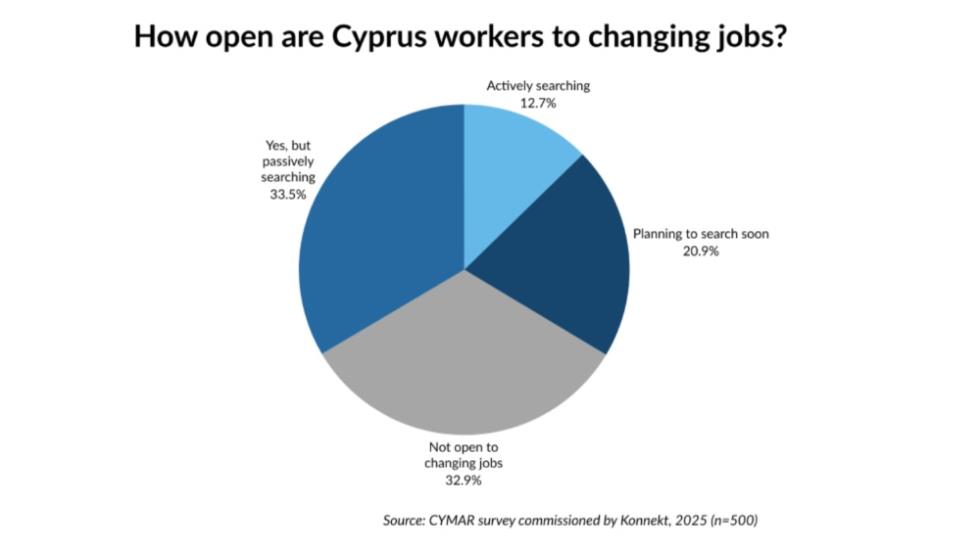
In Cyprus, the situation is more critical. According to a survey of 500 workers conducted by CYMAR on behalf of Konnekt in 2025, 67.1% of the workforce expressed some level of openness to changing jobs. With unemployment at a low of 4.1% in the third quarter of 2025, as reported by the Cyprus Statistical Service, losing a high performer is a serious business issue, particularly given that most of the workforce are open to leaving and there are limited candidates available to replace them.
Why high performers carry the highest risk
There is a pattern that many leadership teams miss. High performers are typically given more responsibility and are less likely to raise concerns or push back on workload. They absorb pressure, delay asking for support, and then leave with little notice when they have finally reached their limit.
The risk this creates goes beyond losing a valuable employee. In many organisations, a small number of people hold a disproportionate amount of critical knowledge, key client relationships, and operational expertise. When one of these people leaves, the impact extends far beyond their immediate team.
The pace of work is also increasing. The introduction of AI tools into daily operations has raised output expectations in many organisations without significantly reducing the workload of those responsible for delivering results. High performers, already over-stretched, often absorb these demands without any adjustment to their responsibilities or support.
'Burnout among high performers is consistently misread as a personal problem rather than a structural one. Leadership teams that understand this move their focus from reacting to resignations to actively managing the conditions that lead to them.' — Christiana Palla, Director & Country Manager, KonnektTalexio.

Three things leadership teams can act on now
The organisations that manage this risk most effectively tend to share one characteristic: they do not wait for exit interviews to understand why people leave. There are three practical interventions that stand out.
The first is to use structured engagement surveys. Companies must ensure they provide psychological safety, so employees feel their responses are genuinely anonymous. If employees do not trust that their responses are anonymous, they will self-censor, and the data will not reflect their true feelings. Surveys such as Team Voice, create an environment where employees can provide honest feedback.
The second is to conduct workload and capacity audits. Most organisations track the number of employees they have, but fewer track their actual capacity. By mapping out who is doing what, where the pressure points are, and which roles are overextended, leadership teams can identify areas where they need to act before someone burns out. This also helps them identify key person risk, where too much responsibility falls on too few people.
The third is to formalise stay interviews with employees. Exit interviews are, by definition, too late. Stay interviews are structured conversations that focus on what is working, what is not, and what might make them leave. These interviews turn retention into a proactive process. In a market where nearly seven in ten workers are thinking about their next move, this approach is crucial.
KonnektTalexio is a specialist recruitment and HR technology partner operating across Malta, Greece, Poland, and now Cyprus. For organisations looking to take a more structured approach to employee engagement, KonnektTalexio offers Team Voice, an engagement survey tool that helps leadership teams understand workforce sentiment. For the first 100 employees, the service is available at no cost, making it an accessible starting point for businesses of any size. Teams looking to build a more proactive approach to retention can reach the Cyprus team at cyprus@konnekt.com.
Data sources: CYMAR survey conducted on behalf of Konnekt, 2025 (n=500, ±4.4% margin of error at 95% confidence level); Cyprus Statistical Service, Labour Force Survey Q3 2025.
Join us on Wednesday 20 May at 14:30 for a live online webinar. If you are making hiring or retention decisions this year, this session is well worth your time. We will share and unpack proprietary survey data, offering practical insights you can apply immediately. You can register here: Trends in the Cypriot Labour Market Webinar